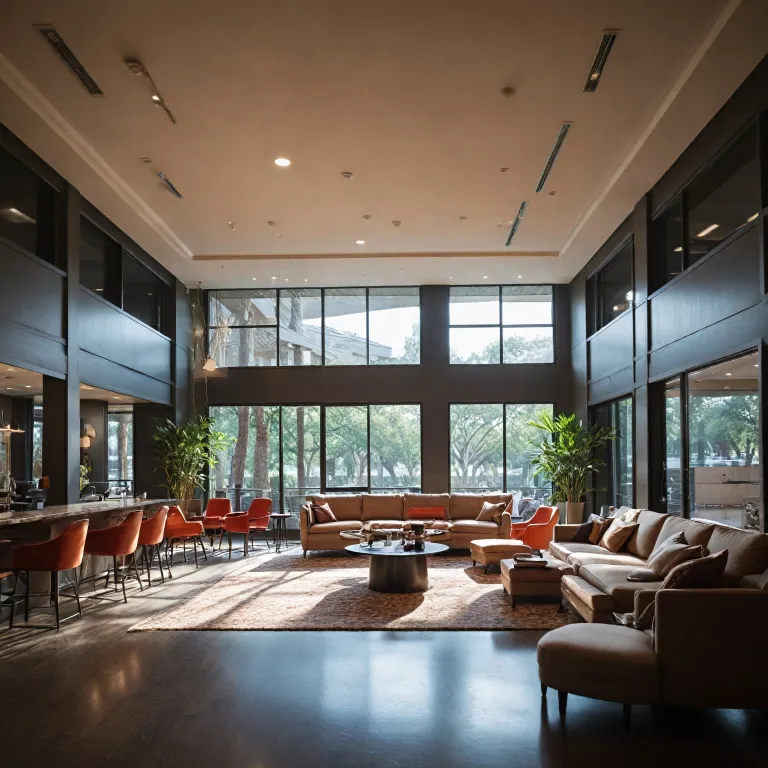
Transforming hospitality: integrating coworking spaces into modern hotels
The hospitality industry is undergoing a profound transformation as hotels embrace coworking spaces to meet the evolving needs of remote workers, digital nomads, and business travelers. By integrating coworking amenities, hotels are not only enhancing their value proposition but also optimizing underutilized areas such as hotel lobbies, living rooms, and meeting rooms. This shift is driven by the rise of remote work and the demand for flexible, professional environments where guests and local professionals can work efficiently. Spaces hotels are now designed to offer both accommodation and coworking services, creating a seamless blend of comfort and productivity for modern professionals.
Hotel coworking is more than a trend; it is a strategic response to the changing landscape of work and travel. Operators are reimagining hotel lobbies and shared areas as vibrant coworking spaces, offering high-speed Wi-Fi, ergonomic workstations, and access to meeting rooms. These amenities cater to the needs of remote workers who require reliable office space while traveling. The hospitality industry is leveraging these offerings to attract a broader clientele, including local professionals seeking flexible workspace solutions and companies looking for innovative environments for their teams.
By offering coworking memberships and day passes, hotels are opening their doors to a wider audience. This approach not only increases occupancy rates during off-peak hours but also fosters a sense of community among guests and local professionals. The integration of coworking spaces into hotels is redefining the guest experience, positioning hotels as dynamic hubs for both work and leisure.
Designing coworking environments: from hotel lobbies to dedicated workspaces
Design innovation is at the heart of successful coworking spaces in hotels. Modern professionals expect more than just a desk and Wi-Fi; they seek thoughtfully designed environments that promote productivity and well-being. Hotels are responding by transforming traditional areas such as the hotel lobby, living room, and communal spaces into multifunctional coworking areas. These spaces are equipped with ergonomic furniture, natural lighting, and acoustic solutions to create a comfortable and inspiring atmosphere for remote work.
The evolution of coworking hotel concepts is evident in the way hotels like CitizenM and Zoku have reimagined their interiors. CitizenM offers subscription-based coworking spaces across its properties, while Zoku’s WorkZoku memberships provide access to shared workspaces within the hotel. These offerings are tailored to the needs of both guests and local professionals, ensuring that everyone can benefit from the flexible work environment. The integration of coworking services into hotels is also supported by digital booking systems and technology-driven workspace management tools, making it easy for users to reserve a space or meeting room as needed.
Spaces hotels are increasingly partnering with coworking brands to create hybrid environments that blend hospitality with professional amenities. This collaboration allows hotels to offer a wider range of coworking services, from private office space to communal work areas and networking events. For a deeper look at innovative workspace design, visit our resource on coworking space design trends.
Enhancing guest satisfaction: coworking amenities as a value proposition
Media coworking amenities in hotels are becoming a key differentiator in the hospitality industry. Guests now expect more than comfortable rooms; they seek access to coworking spaces that support their professional needs. By offering coworking services, hotels can attract remote workers, digital nomads, and business travelers who value flexibility and connectivity. The availability of coworking spaces, meeting rooms, and shared work areas enhances the overall guest experience, making hotels the preferred choice for modern professionals.
Remote work has blurred the lines between business and leisure travel, leading to the rise of the “bleisure” segment. Hotels that provide coworking amenities are well-positioned to capture this market by offering a seamless transition between work and relaxation. The integration of coworking spaces into hotel environments also supports companies seeking alternative office space solutions for their teams. As a result, hotels are seeing increased occupancy rates and higher guest satisfaction scores.
Hotel coworking is not limited to guests; many properties offer day passes and memberships to local professionals, creating a vibrant community within the hotel. This approach fosters networking opportunities and encourages repeat visits. For more information on maximizing guest engagement, refer to our article on guest experience strategies in hospitality.
Operational strategies: maximizing revenue and space utilization
For hotel operators, integrating coworking spaces presents an opportunity to maximize revenue and optimize space utilization. Underused areas such as hotel lobbies, meeting rooms, and communal living rooms can be transformed into productive coworking environments. This not only increases the value of the property but also generates additional income through coworking memberships, day passes, and event hosting. The hospitality industry is leveraging these operational strategies to remain competitive in a rapidly changing market.
Flexible workspace designs and digital booking systems enable hotels to manage coworking services efficiently. By offering a range of coworking options, from open-plan areas to private office space, hotels can cater to the diverse needs of remote workers and business travelers. Partnerships with coworking brands and technology providers further enhance the quality and appeal of coworking amenities in hotels. The result is a dynamic environment that supports both work and leisure, driving higher occupancy and guest loyalty.
Hotels are also using coworking spaces to attract local businesses and startups, positioning themselves as community hubs. This strategy not only increases foot traffic but also strengthens the hotel’s reputation as a leader in innovation and hospitality. The integration of coworking amenities is a win-win for both hotel operators and guests, creating new revenue streams and enhancing the overall guest experience.
Meeting the needs of remote workers and digital nomads
The rise of remote work and digital nomadism has fundamentally changed the way professionals approach travel and accommodation. Hotels that offer coworking spaces are uniquely positioned to meet the needs of this growing demographic. Remote workers and digital nomads require reliable access to coworking spaces, high-speed internet, and comfortable work environments. Hotels that provide these amenities are able to attract long-term stays and repeat business from this segment.
According to recent industry insights, “Hotel coworking spaces often provide high-speed Wi-Fi, ergonomic workstations, meeting rooms, and access to hotel facilities such as cafes and fitness centers.” This comprehensive offering ensures that remote workers have everything they need to stay productive while on the road. Additionally, “Hotel coworking spaces combine the hospitality services of a hotel with the flexible work environment of a coworking space, often providing additional amenities such as room service, housekeeping, and access to hotel events.”
Spaces hotels are also catering to the needs of companies with distributed teams, offering flexible office space solutions that can be tailored to specific requirements. The ability to access coworking services on demand makes hotels an attractive option for both individuals and organizations. As the demand for remote work continues to grow, hotels that invest in coworking amenities will be well-positioned to capture this lucrative market.
Future outlook: innovation and growth in hotel coworking
The future of coworking in the hospitality industry is marked by continued innovation and growth. Hotels are expected to further expand their coworking offerings, integrating advanced technology and design elements to create even more attractive work environments. The trend towards hybrid spaces, where accommodation and coworking coexist seamlessly, will continue to shape the industry. Hotels that embrace this model will benefit from increased occupancy, higher guest satisfaction, and new revenue streams.
Industry data indicates that by 2025, 15% of hotels will have integrated coworking spaces, reflecting the growing demand for flexible work environments. The average monthly membership fee for hotel coworking spaces is currently around 120 USD, making it an accessible option for both individuals and companies. The increase in remote workers utilizing hotel coworking spaces has risen by 35% over the past few years, underscoring the importance of these amenities in the modern hospitality landscape.
As hotels continue to innovate, partnerships with coworking brands and technology providers will play a crucial role in delivering high-quality coworking services. The focus will remain on creating environments that support productivity, collaboration, and well-being for all users. The integration of coworking amenities is set to become a standard feature in the hospitality industry, redefining the guest experience for years to come.
Key statistics on media coworking amenities in hotels
- 15% of hotels are expected to integrate coworking spaces by 2025.
- The average monthly membership fee for hotel coworking spaces is 120 USD.
- There has been a 35% increase in remote workers utilizing hotel coworking spaces from 2020 to 2024.
Frequently asked questions about coworking amenities in hotels
What amenities do hotel coworking spaces typically offer?
Hotel coworking spaces often provide high-speed Wi-Fi, ergonomic workstations, meeting rooms, and access to hotel facilities such as cafes and fitness centers.
Are hotel coworking spaces open to non-guests?
Yes, many hotels offer coworking memberships or day passes to non-guests, allowing local professionals to utilize the workspace.
How do hotel coworking spaces differ from traditional coworking spaces?
Hotel coworking spaces combine the hospitality services of a hotel with the flexible work environment of a coworking space, often providing additional amenities such as room service, housekeeping, and access to hotel events.
Trusted sources for further information on coworking in hotels
- https://www.citizenm.com/
- https://livezoku.com/
- https://www.hospitalitynet.org/