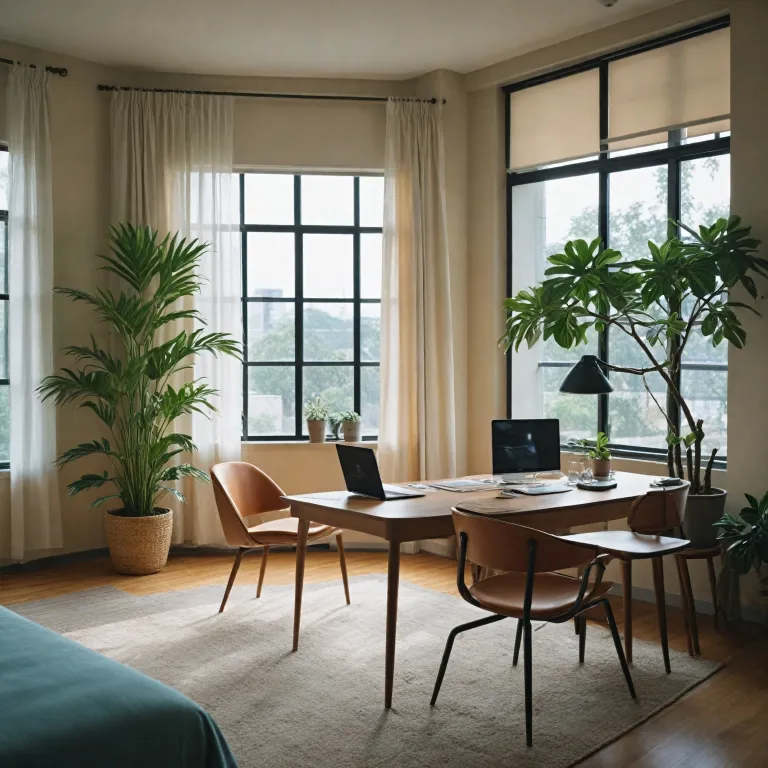
Redefining workspace: renting a room as an office in hotels
As the hospitality industry evolves, the concept of renting a room as an office within hotels is gaining momentum among business leaders and property operators. This innovative approach leverages underused hotel rooms, transforming them into productive office spaces for companies, small businesses, and freelancers. The shift is driven by the growing demand for flexible, cost-effective alternatives to traditional office rent, especially as more employees work remotely and businesses seek adaptable solutions for their teams.
Hotels can offer meeting rooms and office spaces that cater to both regular and occasional needs, providing a professional environment with amenities such as high-speed internet, ergonomic furniture, and separate entrances for privacy. Renting meeting rooms or office spaces in hotels allows companies to pay separate costs for only the space they need, avoiding long-term commitments and reducing overhead. This flexibility is particularly attractive to small businesses and startups that require physical office presence without the burden of full-scale office rentals.
By offering room rentals for business purposes, hotels can maximize occupancy rates and diversify revenue streams. The benefits extend to businesses as well, who can host meetings, events, or client sessions in a professional setting without investing in permanent office space. This model also supports the trend of hybrid work, enabling employees to meet clients or collaborate in person when necessary, while maintaining the option to work remotely.
Legal, regulatory, and insurance considerations for hotel-based office rentals
Renting a room as an office in a hotel requires careful attention to legal and regulatory frameworks. Local government authorities play a crucial role in enforcing zoning laws that dictate permissible uses of hotel spaces. Before converting rooms into office spaces, hotel operators must verify compliance with municipal regulations to avoid legal complications. Lease agreements should clearly define the terms of office use, including duration, rent amount, maintenance responsibilities, and adherence to local laws.
Legal advisors are essential partners in drafting contracts that protect both hotel owners and business tenants. Insurance providers also contribute by offering policies that address liabilities associated with commercial use of residential or hospitality spaces. As stated in the dataset, "The lease should specify the terms of use, duration, rent amount, responsibilities for maintenance, and compliance with local laws." This clarity helps mitigate risks and ensures a smooth relationship between all parties involved in room rentals for business purposes.
For companies considering renting meeting rooms or office spaces in hotels, it is vital to consult with legal and insurance professionals. This step helps businesses understand their obligations and safeguards their interests. For further insights on compliance and risk management in flexible workspace solutions, explore our guide on legal considerations for hotel coworking spaces.
Maximizing value: cost efficiency and operational benefits of hotel office rentals
One of the primary benefits of renting a room as an office in a hotel is the significant cost savings compared to traditional office rent. According to recent statistics, the average cost of maintaining an office space per person per year is 18,000 USD. By opting for room rentals or meeting room rentals in hotels, businesses can reduce fixed expenses and allocate resources more efficiently. This approach is particularly advantageous for small businesses and startups that need to control costs while maintaining a professional image.
Hotels offer flexible rental terms, allowing companies to rent meeting rooms or office spaces for specific events, regular meetings, or short-term projects. This flexibility enables businesses to pay separate fees for only the space they use, avoiding unnecessary expenditures on unused office space. The availability of physical office spaces within hotels also supports hybrid work models, where employees work remotely but occasionally require a dedicated space to meet clients or collaborate with colleagues.
Operationally, hotels are equipped to provide essential services such as reception, cleaning, and security, further enhancing the value proposition for businesses. For a deeper analysis of the operational advantages of hotel-based office rentals, visit our article on operational efficiencies in hotel coworking environments.
Designing for productivity: optimizing hotel rooms as office spaces
Transforming hotel rooms into effective office spaces requires thoughtful design and attention to detail. The physical layout must support productivity, with ergonomic furniture, ample lighting, and reliable connectivity. Meeting rooms and office spaces should be equipped with technology that facilitates virtual and in-person collaboration, catering to the needs of modern businesses and companies.
Hotels can differentiate their offerings by providing separate entrances for office rentals, ensuring privacy and security for business clients. This feature is especially valuable for companies that require confidentiality or wish to maintain a distinct separation between leisure and business guests. The flexibility to configure rooms for different purposes—such as board meetings, training sessions, or client consultations—adds to the appeal of renting a room as an office.
Regular feedback from tenants helps hotel operators refine their office space offerings, ensuring that meeting rooms and office spaces meet evolving business needs. Integrating amenities like coffee stations, printing facilities, and breakout areas further enhances the experience for employees who work on-site.
Meeting diverse business needs: flexibility and scalability in hotel office rentals
The ability to scale office space up or down is a key advantage of renting a room as an office in hotels. Companies can adjust their space requirements based on project demands, seasonal fluctuations, or workforce changes. This adaptability is particularly beneficial for businesses with dynamic operations or those expanding into new markets.
Hotels can cater to a wide range of clients, from freelancers seeking a quiet workspace to large companies hosting events or regular meetings. The variety of room rentals available—ranging from small offices to large meeting rooms—ensures that every business can find a suitable solution. This model also supports companies that need to maintain a physical office presence in multiple locations without committing to long-term leases.
By offering flexible office space rentals, hotels help businesses optimize their operations and respond quickly to changing market conditions. The ability to rent meeting rooms or office spaces on demand empowers companies to remain agile and competitive in a fast-paced business environment.
Strategic partnerships and innovation in hotel coworking models
Successful implementation of renting a room as an office in hotels relies on strategic partnerships and continuous innovation. Collaboration with real estate agents, legal advisors, and local government authorities ensures that hotel operators navigate regulatory requirements and market their offerings effectively. Property management software and marketing platforms streamline the booking and payment process, enhancing the customer experience for businesses seeking office space rentals.
Innovation in hotel coworking models includes integrating technology for seamless access, offering tailored packages for different business needs, and creating community spaces that foster networking and collaboration. As noted in the dataset, "Utilizing residential spaces for commercial purposes offers a flexible and cost-effective solution for small businesses and freelancers, fostering a new model of workspace utilization." This approach not only maximizes the use of existing hotel infrastructure but also positions hotels as key players in the evolving workspace ecosystem.
Hotels that embrace these partnerships and innovations can differentiate themselves in a competitive market, attracting a diverse clientele and generating new revenue streams through room rentals for business use.
Ensuring a seamless experience: best practices for hotel office rentals
To deliver a superior experience for businesses renting a room as an office, hotels must adopt best practices that prioritize convenience, security, and customer satisfaction. Clear communication of rental terms, transparent pricing, and responsive support are essential for building trust with business clients. Regular maintenance and upgrades to office spaces ensure that meeting rooms and office spaces remain functional and appealing.
Hotels should also provide flexible booking options, allowing companies to reserve space office rentals for short or extended periods. Integrating feedback mechanisms enables continuous improvement and helps address the evolving needs of businesses and employees who work on-site. As highlighted in the dataset, "Benefits include cost savings, flexible lease terms, and the convenience of working close to home." These advantages make hotel-based office rentals an attractive option for a wide range of companies.
By adhering to these best practices, hotels can establish themselves as trusted partners for businesses seeking flexible, high-quality office space solutions. This approach not only enhances the guest experience but also contributes to the long-term success of hotel coworking initiatives.
Key statistics on renting a room as an office in hotels
- Average cost of maintaining an office space per person per year: 18,000 USD
- Percentage of workers preferring to work from home: 98%
- Percentage of modern companies operating fully remote: 16%
Frequently asked questions about renting a room as an office in hotels
Is it legal to use a residential room as an office?
The legality depends on local zoning laws and regulations. It's essential to consult with local authorities to ensure compliance.
What are the benefits of renting a room as an office?
Benefits include cost savings, flexible lease terms, and the convenience of working close to home.
What should be included in a lease agreement for renting a room as an office?
The lease should specify the terms of use, duration, rent amount, responsibilities for maintenance, and compliance with local laws.
What steps should be taken before renting a room as an office?
Verify the property's compliance with local zoning laws before renting. Ensure the lease agreement clearly defines the terms of office use. Consult with legal and insurance professionals to mitigate potential risks.
References: