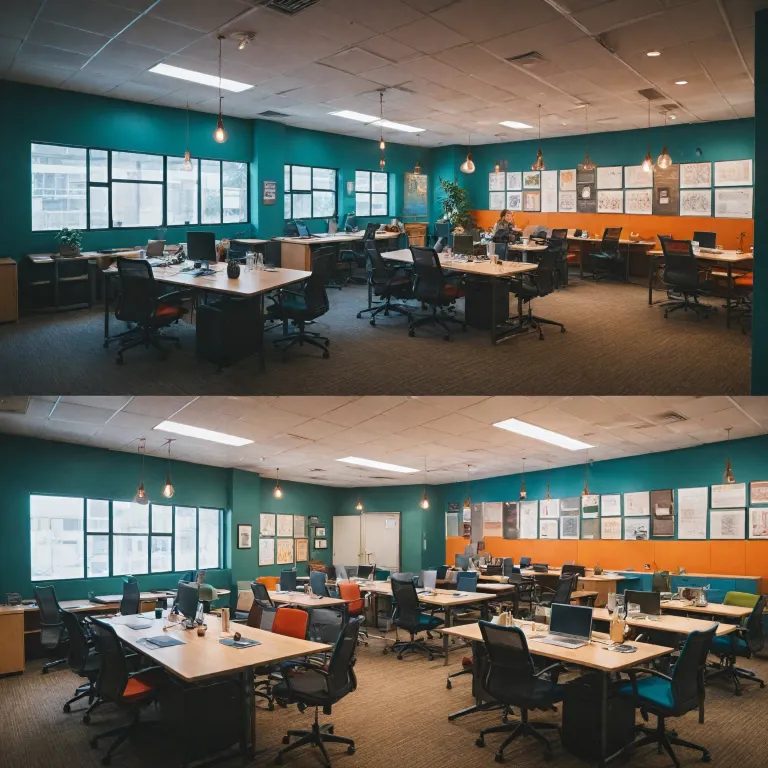
Understanding the evolution of hotel coworking spaces and traditional offices
The landscape of work has transformed, with hotel coworking spaces and traditional offices offering distinct experiences for businesses. Coworking spaces in hotels have emerged as a response to the growing demand for flexible work environments, integrating hospitality with professional amenities. These spaces offer a blend of serviced office features, such as private offices, meeting rooms, and hot desking, all within the dynamic setting of hotels. In contrast, traditional office spaces are characterized by long term leases, dedicated desk arrangements, and private office environments tailored for businesses seeking stability. The evolution of coworking spaces, especially within hotels, reflects the shift toward flexibility and adaptability in business operations. As companies reassess their workspace needs, the comparison between hotel coworking spaces and offices becomes increasingly relevant for decision-makers in the hospitality and corporate sectors.
Hotel coworking spaces offer businesses the opportunity to access serviced offices without the burden of long term commitments. The integration of coworking space amenities, such as shared office areas, meeting rooms, and flexible office options, provides a versatile environment for teams and individuals. Traditional offices, on the other hand, require significant investment in office space, utilities, and maintenance, often resulting in higher overall costs. The rise of coworking spaces in hotels has also introduced new networking opportunities, as professionals from diverse industries converge in shared spaces. This evolution is particularly significant for exploitants hôteliers, directeurs d’actifs, and operators seeking to maximize the value of their properties while meeting the changing needs of businesses.
For companies evaluating their workspace strategy, understanding the differences between hotel coworking spaces and traditional offices is essential. The choice between these options depends on factors such as cost, flexibility, and the specific requirements of the business. As the demand for flexible office spaces continues to grow, hotel coworking spaces are poised to play a pivotal role in shaping the future of work environments. The integration of hospitality services into coworking spaces enhances the overall user experience, making hotels an attractive option for businesses seeking a balance between professionalism and comfort.
Key differences in cost, flexibility, and amenities
Cost is a primary consideration when comparing hotel coworking spaces and traditional offices. The average monthly cost of a coworking space per workstation is approximately 500 USD, which typically includes utilities, internet, and access to shared amenities. In contrast, traditional office spaces often require a long term lease, with an average lease term of five years, and additional expenses for maintenance, utilities, and furnishings. This distinction makes hotel coworking spaces a more cost-effective solution for businesses seeking flexibility and lower upfront investment.
Flexibility is another critical factor that sets hotel coworking spaces apart from traditional offices. Coworking spaces in hotels offer short term access to office space, allowing businesses to scale their operations as needed. This flexibility is particularly valuable for startups, remote teams, and companies with fluctuating space requirements. Traditional offices, while offering private office environments and dedicated desk arrangements, lack the adaptability of coworking spaces. The ability to choose between private offices, shared office areas, and hot desking options in hotels provides businesses with a range of workspace solutions tailored to their needs.
Amenities play a significant role in the appeal of hotel coworking spaces. Hotels often offer a range of services, including meeting rooms, serviced offices, and hospitality amenities such as catering and wellness facilities. These features enhance the overall working experience, making hotel coworking spaces an attractive option for businesses seeking a professional yet comfortable environment. For more insights on optimizing workspace strategies, explore flexible workspace solutions that address the evolving needs of modern businesses.
Networking, community, and collaboration in hotel coworking spaces
Hotel coworking spaces foster a vibrant community atmosphere, bringing together professionals from diverse industries. This environment encourages networking, collaboration, and the exchange of ideas, which can lead to new business opportunities and partnerships. The shared office areas and communal spaces in hotels are designed to facilitate interaction among members, creating a sense of belonging and support.
One of the key advantages of hotel coworking spaces is the opportunity for businesses to connect with like-minded professionals. The presence of serviced offices, meeting rooms, and dedicated desk options allows teams to work efficiently while also engaging with the broader coworking community. This collaborative environment is particularly beneficial for startups, freelancers, and remote teams seeking to expand their professional networks. For a deeper understanding of how coworking spaces can enhance business collaboration, visit collaborative workspace trends for the latest industry insights.
Traditional offices, while offering privacy and control over the work environment, may lack the dynamic community found in coworking spaces. The integration of hospitality services in hotel coworking spaces further enhances the sense of community, providing members with access to exclusive events, workshops, and networking sessions. This focus on collaboration and community sets hotel coworking spaces apart from conventional office environments, making them a preferred choice for businesses seeking a more engaging and supportive workspace.
Customization, privacy, and control: balancing needs in workspace selection
Customization is an important consideration for businesses when choosing between hotel coworking spaces and traditional offices. In hotel coworking spaces, customization options are typically limited, as the spaces are designed to accommodate a variety of users. This means that businesses may have less control over the layout and branding of their workspace compared to traditional offices. However, the availability of private offices and dedicated desk options in hotels allows teams to maintain a degree of privacy and exclusivity within the shared environment.
Traditional offices offer greater opportunities for customization, enabling businesses to create a workspace that reflects their brand identity and corporate culture. This level of control is particularly important for established companies with specific requirements for office space, meeting rooms, and team areas. The trade-off, however, is the commitment to a long term lease and the associated costs of outfitting and maintaining the office.
For businesses prioritizing privacy and control, traditional offices may be the preferred option. However, hotel coworking spaces offer a compelling alternative for those seeking flexibility, cost savings, and access to a range of amenities. The choice ultimately depends on the unique needs and priorities of each business.
Suitability for different business models and operational needs
The suitability of hotel coworking spaces versus traditional offices varies depending on the business model and operational needs. Startups, remote teams, and small businesses often benefit from the flexibility and cost-effectiveness of coworking spaces in hotels. These spaces offer short term access to office space, allowing businesses to adapt quickly to changing circumstances without the constraints of a long term lease.
Established businesses and organizations with stable operations may prefer traditional offices, which provide dedicated office spaces, private offices, and meeting rooms tailored to their specific requirements. The ability to customize the workspace and maintain control over the environment is a significant advantage for companies with long term strategic goals. However, the higher costs and lack of flexibility associated with traditional offices may be a drawback for some businesses.
Hotel coworking spaces are particularly well-suited for companies with fluctuating space needs, project-based teams, and businesses seeking to leverage the amenities and services offered by hotels. The integration of serviced offices, shared office areas, and hospitality services creates a versatile environment that can accommodate a wide range of business activities. By carefully evaluating their operational needs, businesses can make informed decisions about the most suitable workspace solution.
Strategic considerations for hotel operators and asset managers
For hotel operators, directeurs d’actifs, and asset managers, the integration of coworking spaces into hotel properties presents both opportunities and challenges. The addition of coworking spaces can enhance the value proposition of hotels, attracting new business clients and generating additional revenue streams. By offering serviced offices, meeting rooms, and flexible office spaces, hotels can cater to the evolving needs of modern businesses and professionals.
However, successful implementation requires careful planning and a deep understanding of the target market. Factors such as location, accessibility, and the quality of amenities play a crucial role in the success of hotel coworking spaces. As noted in the dataset, "When considering hotel coworking spaces, evaluate the location's accessibility and proximity to clients or partners. Assess the amenities offered to ensure they meet your business requirements." This guidance underscores the importance of aligning coworking space offerings with the expectations of business clients.
Collaboration with coworking space providers and industry experts can help hotel operators develop competitive and innovative workspace solutions. By leveraging the expertise of service providers and understanding the unique needs of businesses, hotels can position themselves as leaders in the flexible office market. The strategic integration of coworking spaces into hotel properties not only enhances the guest experience but also supports the long term growth and sustainability of the hospitality industry.
Quantitative insights and frequently asked questions
Key statistics on hotel coworking spaces vs offices
- Average monthly cost of coworking space per workstation: 500 USD
- Average lease term for traditional office spaces: 5 years
Frequently asked questions
What are the main differences between hotel coworking spaces and traditional offices?
Hotel coworking spaces offer flexible, short-term access to shared work environments with amenities, while traditional offices involve long-term leases for private spaces with full control over the environment.
Are hotel coworking spaces more cost-effective than traditional offices?
Generally, yes. Hotel coworking spaces often include utilities and services in a single fee, reducing overhead costs compared to traditional offices that require separate payments for rent, utilities, and maintenance.
Do hotel coworking spaces provide networking opportunities?
Yes, they often foster a community environment with professionals from various industries, facilitating networking and collaboration.
Trustful data sources
- www.coworker.com
- www.globalworkspace.org
- www.hospitalitynet.org