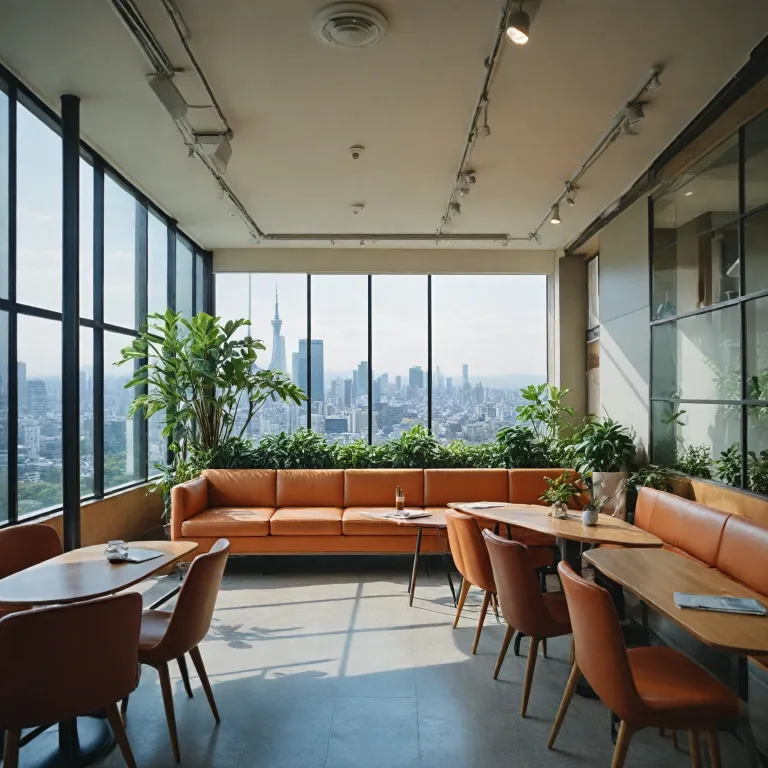
Integrating coworking spaces into Tokyo’s hotel landscape
Coworking hotels in Tokyo have become a dynamic solution for digital nomads, business travelers, and local professionals seeking flexible work environments. The city’s hospitality sector is responding to the growing demand for coworking by integrating dedicated spaces within hotels, particularly in vibrant districts like Shibuya and Shinjuku. These coworking spaces offer a blend of comfort and functionality, featuring amenities such as high speed Wi-Fi, power outlets, and private booths for focused work. The Millennials Shibuya exemplifies this trend, dedicating 20% of its floor area to shared spaces, including the .andwork coworking space, accessible 24/7 for both guests and non-guests. Capsule hotels like Hotel Zen Tokyo and First Cabin Atagoyama have remodeled rooms into private working booths, providing quiet, secure environments for remote work. This integration not only enhances the guest experience but also attracts digital nomads and local startups looking for the best coworking spaces in the city. The rise of coworking hotels in Tokyo is closely linked to the city’s status as a global business hub. With a Tokyo address, professionals gain access to premium meeting rooms and open space environments, fostering collaboration and innovation. The city’s coworking hotels are strategically located near major transport hubs, making them ideal for both short-term stays and long term working arrangements.Design and amenities: creating the best coworking environments in Shibuya and Shinjuku
Design is a critical factor in the success of coworking hotels in Tokyo, especially in high-demand areas like Shibuya and Nishi Shinjuku. Spaces Tokyo and andwork Shibuya have set new standards by offering a variety of working spaces, from open space lounges to private booths and meeting rooms. These environments cater to the needs of digital nomads, millennials, and corporate teams seeking flexibility and comfort. Amenities play a pivotal role in attracting users to coworking spaces. High speed internet, abundant power outlets, ergonomic furniture, and access to refreshments are now standard. Many coworking hotels in Tokyo also provide 24-hour access, allowing users to choose their preferred working hours. The integration of cafes, galleries, and event spaces, as seen at S-TOKYO, further enhances the appeal by fostering a sense of community among users. The best coworking hotels in Tokyo prioritize both productivity and relaxation. Trunk Hotel, for example, combines work and play by hosting events for the creative community and offering social spaces alongside functional work areas. This holistic approach ensures that digital nomads and local professionals can maintain a healthy work-life balance while enjoying the vibrant city Tokyo has to offer. For those seeking comprehensive insights on workspace design, the resource on innovative hotel workspace solutions provides valuable perspectives.Flexible pricing and access: meeting the needs of digital nomads and corporate clients
Coworking hotels in Tokyo have adopted flexible pricing models to accommodate a diverse clientele, from solo digital nomads to large corporate teams. Daily rates for coworking spaces in Tokyo hotels average around 2,000 JPY, with options for hourly, daily, and monthly plans. This flexibility allows users to select the best coworking solution for their specific needs, whether they require a working space for a single day or a long term arrangement. Many coworking spaces in Tokyo hotels, such as those in Shibuya and Shinjuku, are open to both guests and non-guests. This inclusivity broadens the appeal and maximizes occupancy rates for hotel operators. Capsule hotels like First Cabin Atagoyama offer drop-in plans starting from 300 JPY per 30 minutes, making them accessible for short-term users. For companies seeking dedicated meeting rooms or private booths, monthly packages provide cost-effective solutions with premium amenities. The integration of coworking spaces within hotels also benefits HR departments and corporate real estate managers, who can offer employees flexible work options in prime city Tokyo locations. For a deeper dive into pricing strategies and user experiences, the article on coworking space pricing models in Tokyo offers comprehensive analysis. The ability to access coworking spaces at any hour, coupled with the convenience of a Tokyo address, positions these hotels as the best coworking destinations for digital nomads and business travelers alike.Community building and innovation: fostering collaboration in coworking hotels
A defining feature of coworking hotels in Tokyo is their emphasis on community and innovation. By partnering with local startups, creators, and digital nomad communities, these hotels create vibrant ecosystems that encourage networking and collaboration. S-TOKYO, for example, operates as a microcomplex, blending coworking space, café, and gallery to support a diverse community of professionals. Events and workshops are regularly hosted in coworking hotels, particularly in creative hubs like Shibuya Tokyo and Nishi Shinjuku. These gatherings facilitate knowledge sharing and foster connections among digital nomads, local entrepreneurs, and hotel guests. The Millennials Shibuya’s .andwork coworking space is renowned for its community-driven approach, offering 24/7 access and a variety of networking opportunities. The collaborative spirit extends to the design of coworking spaces, with open space layouts and communal areas that promote interaction. Digital nomads and remote workers benefit from the synergy created by working alongside like-minded individuals. For hotel operators and asset managers, this focus on community not only enhances guest satisfaction but also drives repeat business and positive reviews.Operational strategies for hotel operators: maximizing value from coworking integration
For hotel operators, integrating coworking spaces requires a strategic approach to maximize both revenue and guest satisfaction. The first step is identifying the optimal location within the building for coworking spaces, ensuring easy access and natural light. Shibuya and Shinjuku are prime districts where demand for coworking is consistently high, making them ideal for new developments. Operational efficiency is enhanced by offering flexible access plans, such as hourly, daily, and monthly memberships. This approach caters to a wide range of users, from digital nomads seeking a desk for a day to corporate teams requiring long term meeting rooms. Technology plays a crucial role, with digital booking systems and high speed internet infrastructure ensuring seamless user experiences. Hotel operators must also focus on marketing their coworking spaces to both local and international audiences. Highlighting unique amenities, such as private booths, open space lounges, and proximity to city Tokyo attractions, can differentiate a property in a competitive market. Collaborations with coworking brands like andwork Shibuya and partnerships with local businesses further enhance the value proposition for guests and external users alike.Future trends: the evolution of coworking hotels in Tokyo
The future of coworking hotels in Tokyo is shaped by evolving work patterns and the increasing mobility of digital nomads. As remote work becomes more prevalent, the demand for flexible, well-equipped coworking spaces within hotels is expected to rise. Hotels are responding by expanding their offerings, introducing new amenities such as high speed Wi-Fi, advanced digital booking systems, and enhanced meeting rooms. The integration of coworking spaces is also driving innovation in hotel design, with a focus on creating multifunctional environments that support both work and leisure. Millennials Shibuya and Trunk Hotel are at the forefront of this trend, offering spaces that cater to the needs of modern professionals. The emphasis on community, wellness, and sustainability is likely to influence future developments in the sector. As coworking hotels in Tokyo continue to evolve, operators must remain agile, adapting to changing user preferences and technological advancements. The city’s reputation as a global business hub ensures a steady influx of digital nomads and corporate travelers seeking the best coworking experiences. By prioritizing flexibility, community, and innovation, Tokyo’s hospitality industry is well positioned to lead the way in the coworking revolution.Key statistics on coworking hotels in Tokyo
- Percentage of hotels in Tokyo offering coworking spaces: 15% (Tokyo Hospitality Association)
- Average daily rate for coworking spaces in Tokyo hotels: 2,000 JPY (Tokyo Coworking Survey)
Frequently asked questions about coworking hotels in Tokyo
What amenities are typically offered in coworking hotels in Tokyo?
Amenities often include free Wi-Fi, power outlets, comfortable seating, meeting rooms, and sometimes cafes or bars.
Are coworking spaces in Tokyo hotels open to non-guests?
Yes, many hotels offer coworking spaces to both guests and non-guests, often with flexible pricing plans.
How much does it cost to use a coworking space in a Tokyo hotel?
Prices vary, but drop-in rates can start from around 300 yen per 30 minutes, with daily rates averaging around 2,000 yen.
Trustful sources for further information on coworking hotels in Tokyo
- https://www.livelyhotels.com/en/en-posts/en_mls210913/
- https://workspace-japan.com/en/detail/firstcabin-atago/
- https://matcha-jp.com/en/18073