Redefining the hotel experience: integrating shared workspaces for dynamic professionals
Hotels with shared workspaces are reshaping the hospitality landscape by offering flexible solutions for remote workers, business travelers, and local enterprises. The demand for coworking spaces within hotels has surged, driven by the rise of remote working and the need for adaptable environments. Properties like Zoku, Proper Hospitality, Selina, Pullman Hotels, and Hilton have pioneered this movement, blending accommodation with coworking space to create hybrid venues that serve both guests and the local community. These hotels provide access to a variety of spaces designed for productivity, including private offices, communal spaces, and lounge areas. Remote workers and companies benefit from day passes, long term memberships, and the ability to book meeting rooms or conference rooms by the hour or day. The integration of coworking spaces and hotel amenities—such as coffee, tea, and high-speed Wi-Fi—enhances the guest experience and attracts new segments, including digital nomads and enterprises seeking flexible office solutions. In cities like New York City, the trend is especially pronounced. Hotels with shared workspace options in neighborhoods such as Soho and West Village offer a unique address in York City, combining the convenience of a central location with the comfort of a hotel room and the functionality of an office. These spaces are not limited to overnight guests; local professionals can access coworking spaces through day passes or memberships, making hotels a vital part of the urban coworking ecosystem.Designing spaces for productivity: from private offices to communal lounges
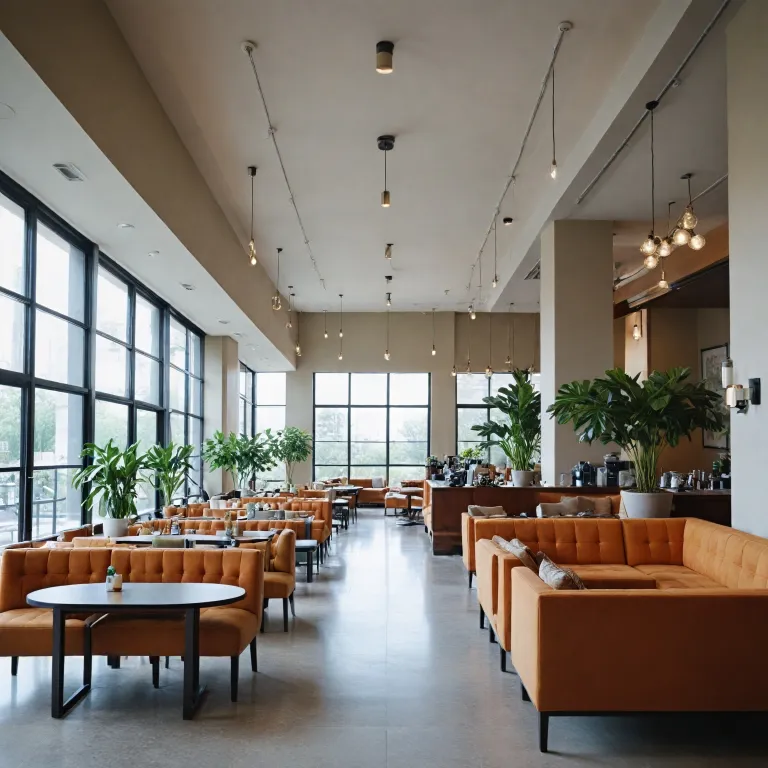
The architecture and interior design of hotels with shared workspaces prioritize flexibility and comfort. Spaces designed for both individual focus and group collaboration are essential for meeting the diverse needs of remote workers, enterprises, and innovation teams. Private offices and meeting rooms are equipped with ergonomic furniture and advanced technology, supporting everything from confidential calls to large-scale presentations. Communal spaces and lounge areas foster networking and informal interactions, while dedicated conference rooms and coworking spaces cater to structured meetings and workshops. Hotels like Pullman and Hilton have invested in modular work areas, allowing for seamless transitions between different working styles throughout the day. The inclusion of amenities such as coffee, tea, and printing services further enhances the appeal of these environments. For asset managers and hotel operators, the ability to offer a variety of workspaces—private office, shared workspace, and coworking space—creates new revenue streams and strengthens brand positioning. The flexibility of day passes, long term memberships, and hourly access to meeting rooms allows hotels to serve a broad spectrum of users, from remote workers to large corporate teams. This approach aligns with the evolving expectations of modern professionals, who seek adaptable, well-designed spaces for both work and relaxation. Explore innovative workspace solutions for hotels to see how leading properties are adapting to these trends.Enhancing guest experience: amenities and services in hotel coworking spaces
The success of hotels with shared workspaces hinges on the quality of amenities and services provided. High-speed Wi-Fi, ergonomic workstations, and access to meeting rooms are now standard expectations for remote workers and enterprises utilizing these spaces. Many hotels also offer additional perks such as complimentary coffee, tea, and access to communal spaces, creating a welcoming atmosphere for both short-term and long term users. Day passes and memberships allow users to access coworking spaces, private offices, and conference rooms as needed, providing flexibility for different working styles. Hotels in York City, Soho, and West Village have embraced this model, offering a range of options from private office suites to open-plan coworking spaces. The integration of hospitality services—such as room service, wellness facilities, and concierge support—sets hotel coworking spaces apart from traditional office environments. For companies and HR departments, the ability to provide employees with access to premium workspaces in central locations is a valuable benefit. Hotels with shared workspace options enable organizations to support remote working, host offsite meetings, and accommodate visiting teams with ease. The combination of professional amenities and hotel comforts creates a unique value proposition for both employers and employees. Learn more about optimizing hotel coworking amenities for enterprise clients and innovation leaders.Operational strategies: maximizing value for hotel operators and asset managers
For hotel operators, asset managers, and innovation leaders, integrating coworking spaces into hotel properties requires a strategic approach. Converting hotel suites into private offices or shared workspace areas can increase occupancy rates and diversify revenue streams. Partnerships with coworking brands, such as Industrious, enable hotels to leverage established expertise in workspace management while maintaining control over guest experience. Offering day passes, long term memberships, and flexible access options attracts a wider audience, including local professionals and remote workers. The ability to book meeting rooms, conference rooms, and private offices by the hour or day provides additional convenience for users. Hotels with shared workspace offerings in York City and other major urban centers are well positioned to capitalize on the growing demand for flexible office solutions. Asset managers benefit from the enhanced value and marketability of properties that offer integrated coworking spaces. The presence of communal spaces, lounge areas, and well-equipped workspaces appeals to both business travelers and enterprises seeking adaptable environments. By aligning operational strategies with the needs of modern professionals, hotels can strengthen their competitive edge and foster long term relationships with clients.Community building and brand positioning: fostering engagement in shared workspaces
Hotels with shared workspaces are not just about providing physical space; they are about cultivating a sense of community and belonging. Communal spaces, lounge areas, and coworking spaces serve as hubs for networking, collaboration, and knowledge exchange. Regular events, workshops, and networking sessions help foster connections among remote workers, enterprises, and hotel guests. The integration of coworking space into the hotel environment enhances brand positioning by demonstrating a commitment to innovation and guest satisfaction. Properties in York City, Soho, and West Village have successfully leveraged their address and unique spaces to attract a diverse clientele. The flexibility of day passes, private offices, and conference rooms ensures that users can find the right workspace for their needs, whether for a single hour or an extended stay. Hotels like Zoku and Selina have built reputations as leaders in the hybrid hospitality-coworking sector by prioritizing community engagement and offering spaces designed for both work and social interaction. The presence of amenities such as coffee, tea, and high-speed Wi-Fi further supports the needs of remote workers and enterprises. By fostering a vibrant community, hotels can differentiate themselves in a competitive market and drive long term loyalty.Future outlook: trends and innovations in hotels with shared workspaces
The evolution of hotels with shared workspaces is set to continue as remote working and digital nomadism become increasingly mainstream. The demand for flexible, well-designed spaces in central locations like York City, Soho, and West Village will drive further innovation in both design and service offerings. Hotels are expected to expand their coworking space options, incorporating more private offices, communal spaces, and meeting rooms to meet the needs of a diverse user base. Technological advancements, such as smart booking systems and integrated access controls, will enhance the user experience and streamline operations. Partnerships with coworking brands and local enterprises will enable hotels to offer tailored solutions for both short-term and long term users. The focus on community building, wellness, and sustainability will shape the next generation of hotel coworking spaces, ensuring they remain relevant and appealing to modern professionals. As the hospitality industry adapts to these changes, hotels with shared workspace offerings will play a central role in supporting remote workers, enterprises, and innovation leaders. By embracing flexibility, design excellence, and community engagement, hotels can secure their position at the forefront of the evolving workspace landscape.Hotels like Zoku, Proper Hospitality, Selina, Pullman Hotels, and Hilton have integrated coworking spaces into their properties.
Many hotels offer coworking memberships or day passes to local professionals, allowing access to their workspaces without an overnight stay.
Yes, many hotel coworking spaces are equipped with meeting rooms, high-speed Wi-Fi, and other business amenities to cater to professionals.
Key statistics on hotels with shared workspaces
- 30% of workers globally are now remote workers.
- There has been a 22% increase in demand for coworking spaces since 2020.
Frequently asked questions about hotels with shared workspaces
Which hotels offer coworking spaces?
Hotels like Zoku, Proper Hospitality, Selina, Pullman Hotels, and Hilton have integrated coworking spaces into their properties.
Are hotel coworking spaces open to non-guests?
Many hotels offer coworking memberships or day passes to local professionals, allowing access to their workspaces without an overnight stay.
Do hotel coworking spaces provide amenities like meeting rooms?
Yes, many hotel coworking spaces are equipped with meeting rooms, high-speed Wi-Fi, and other business amenities to cater to professionals.
Trusted sources for further information
- https://livezoku.com/
- https://pullman.accor.com/en/pullman-experience/coworking.html
- https://www.hilton.com/en/p/workspaces-by-hilton/