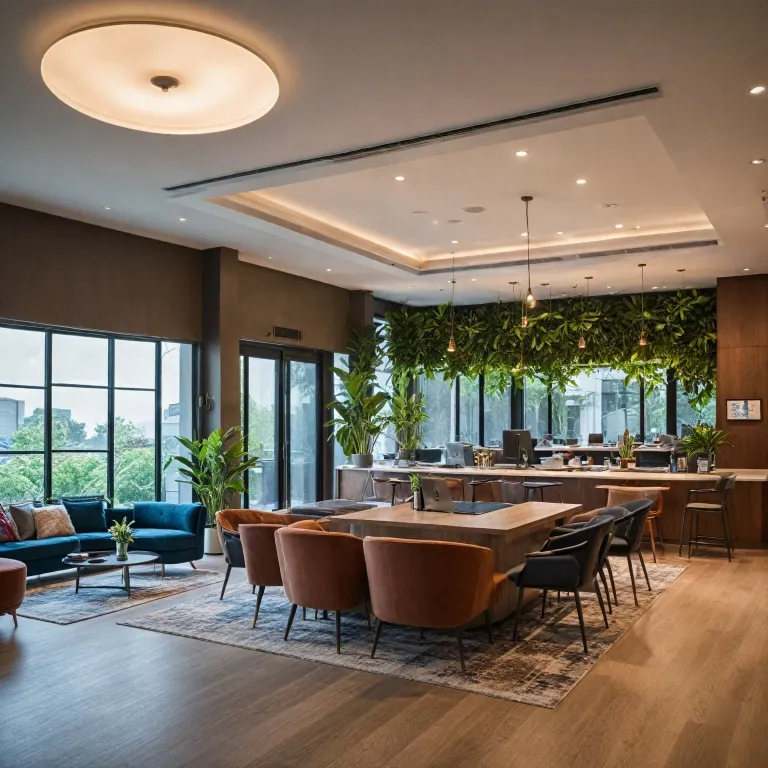
Transforming hotels into dynamic coworking spaces for remote professionals
The hospitality industry is undergoing a significant transformation as hotels increasingly integrate coworking spaces to cater to remote workers, digital nomads, and corporate clients. This shift is driven by the growing demand for flexible workspace solutions that blend the comforts of hospitality with the functionality of modern work environments. Hotels are converting underutilized communal areas into vibrant coworking spaces, offering amenities such as high speed internet, ergonomic furniture, and digital tools to enhance the guest experience. The design of these spaces is tailored to foster community among guests, remote professionals, and local workers, creating an environment where collaboration and productivity thrive.
Operators in the hospitality industry recognize the value of diversifying revenue streams by offering coworking memberships and day passes. This approach not only attracts long term guests but also appeals to digital nomads seeking flexible workspace options during their travels. The coworking industry has responded by partnering with hotels to deliver seamless workspace experiences, integrating coworking management software for booking and access control. As a result, hotels are evolving into multifunctional hubs that support both leisure and work, meeting the needs of remote workers and corporate clients alike.
Flexible workspace design is central to this trend, with hospitality leaders prioritizing communal areas that encourage networking and knowledge sharing. The integration of coworking spaces within hotels enhances the overall guest experience, providing a unique value proposition for clients who require both accommodation and workspace. This transformation reflects broader coworking trends in hospitality, positioning hotels as key players in the future coworking landscape.
Innovative design and digital solutions shaping coworking spaces in hotels
Design innovation is at the heart of media coworking trends in hospitality, with hotels investing in adaptable spaces that cater to a diverse range of remote workers and digital nomads. The use of modular furniture, soundproof meeting rooms, and communal areas ensures that coworking spaces can accommodate both individual work and group collaboration. Digital infrastructure is a critical component, with high speed connectivity and advanced coworking management software enabling seamless access and efficient workspace utilization. These digital solutions empower operators to manage bookings, monitor usage, and deliver personalized services to members and guests.
Hospitality industry leaders are leveraging technology to enhance the coworking experience, integrating digital tools that support remote work and facilitate community engagement. For example, mobile apps allow guests to reserve workspaces, access amenities, and connect with other members of the coworking community. This digital-first approach aligns with the expectations of remote professionals and corporate clients who prioritize flexibility and convenience in their workspace choices. The result is a hospitality environment where digital nomads and remote workers can thrive, supported by innovative design and robust digital infrastructure.
As coworking trends in hospitality continue to evolve, operators are exploring new ways to optimize space and deliver value to clients. The focus on flexible workspace solutions is driving the adoption of hybrid models that combine office, hospitality, and retail elements. This approach not only maximizes revenue streams but also enhances the guest experience by offering a comprehensive suite of services tailored to the needs of modern workers. For more insights on flexible workspace solutions, visit flexible workspace strategies.
Community building and guest experience: the heart of coworking in hospitality
Community is a defining feature of successful coworking spaces in hotels, with operators prioritizing initiatives that foster connections among guests, remote workers, and local professionals. Networking events, workshops, and social gatherings are regularly hosted in communal areas, creating opportunities for members to share knowledge and collaborate on projects. This emphasis on community building enhances the overall guest experience, making hotels more attractive to digital nomads and remote professionals seeking a sense of belonging while working away from home.
The hospitality industry is uniquely positioned to deliver exceptional guest experiences by combining traditional hotel services with the benefits of coworking. Amenities such as catering, concierge support, and access to wellness facilities contribute to a holistic workspace environment that supports both productivity and well-being. Operators are also attentive to the needs of corporate clients, offering tailored packages that include meeting rooms, event spaces, and long term workspace solutions. This comprehensive approach ensures that coworking spaces in hotels meet the diverse requirements of clients across the coworking industry.
To further enhance the guest experience, hotels are investing in high quality design and digital solutions that facilitate seamless interactions between members and staff. The integration of coworking spaces within hospitality venues is transforming the way guests view hotels, positioning them as vibrant hubs for work, collaboration, and community. For a deeper look at how hotels are enhancing guest experience through coworking, explore guest experience innovations.
Revenue streams and real estate optimization through coworking trends
The integration of coworking spaces in hotels represents a strategic opportunity for operators to diversify revenue streams and optimize real estate assets. By converting underutilized areas into coworking spaces, hotels can generate additional income from memberships, day passes, and corporate packages. This approach not only increases occupancy rates but also attracts a new segment of clients, including remote workers, digital nomads, and corporate clients seeking flexible workspace solutions. The coworking industry has demonstrated that well-designed coworking spaces can significantly enhance the value of hospitality properties.
Real estate optimization is a key consideration for hospitality industry leaders, who are leveraging coworking trends to maximize the utility of their assets. Hybrid coworking models that blend office, hospitality, and retail elements enable operators to create multifunctional spaces that serve a variety of client needs. This flexibility is particularly appealing to corporate clients and remote professionals who require adaptable workspace solutions for both short and long term stays. The result is a more resilient business model that can withstand fluctuations in traditional hotel demand.
Operators are also exploring partnerships with coworking space operators and technology providers to deliver best-in-class coworking experiences. These collaborations enable hotels to access expertise in workspace design, digital infrastructure, and community management, ensuring that their coworking spaces remain competitive in a rapidly evolving market.
Meeting the needs of remote workers, digital nomads, and corporate clients
The rise of remote work and digital nomadism has fundamentally changed the expectations of workers and guests in the hospitality industry. Remote workers and digital nomads seek flexible workspace solutions that offer both comfort and connectivity, while corporate clients require reliable facilities for their teams. Hotels are responding by designing coworking spaces that cater to these diverse needs, providing high speed internet, private meeting rooms, and communal areas for networking and collaboration. The coworking industry has shown that such amenities are essential for attracting and retaining members in a competitive market.
According to recent data, 84% of remote workers say coworking improves engagement, highlighting the importance of well-designed coworking spaces in supporting productivity and well-being. Hotels are leveraging this insight to create environments that foster a sense of community among guests, remote professionals, and local workers. The integration of coworking spaces within hospitality venues not only enhances the guest experience but also positions hotels as leaders in the future coworking landscape. This approach aligns with the broader trend of hybrid work, where flexibility and adaptability are key drivers of success.
Membership options and day passes offer clients the flexibility to choose the workspace solution that best fits their needs, whether for a short stay or a long term arrangement. The hospitality industry is committed to delivering high quality coworking experiences that meet the evolving demands of remote workers, digital nomads, and corporate clients. This commitment is reflected in the design, amenities, and services offered by hotels, ensuring that coworking spaces remain at the forefront of hospitality innovation.
Future coworking: sustainability, technology, and evolving guest expectations
The future of coworking in hospitality is shaped by sustainability initiatives, technological advancements, and changing guest expectations. Hotels are increasingly adopting eco-friendly materials and practices in the design of coworking spaces, reflecting a commitment to environmental responsibility. Technology continues to play a pivotal role, with digital tools enabling seamless workspace management, personalized guest experiences, and efficient resource utilization. The coworking industry is at the forefront of these innovations, driving the adoption of smart solutions that enhance both operational efficiency and client satisfaction.
As guest expectations evolve, hotels are reimagining their role in the hospitality industry, positioning themselves as providers of flexible workspace solutions that support remote work and digital nomadism. The integration of coworking spaces within hotels is not only a response to current trends but also a proactive strategy to anticipate future needs. Operators are focused on delivering value to clients through innovative design, digital infrastructure, and community engagement, ensuring that their coworking spaces remain relevant in a dynamic market.
Hybrid coworking models that combine office, hospitality, and retail elements are gaining traction, offering clients a comprehensive suite of services in a single location. This approach maximizes revenue streams and enhances the guest experience, positioning hotels as key players in the future coworking landscape. As the hospitality industry continues to evolve, the integration of coworking spaces will remain a central theme, shaping the way hotels, operators, and clients view work, space, and community.
Expert perspectives: insights and verified quotes on coworking in hospitality
Industry experts agree that coworking spaces in hotels offer flexible work environments with amenities like high speed internet, meeting rooms, and hospitality services, catering to remote workers and business travelers. As one verified quote states, "Coworking spaces in hotels offer flexible work environments with amenities like high-speed internet, meeting rooms, and hospitality services, catering to remote workers and business travelers." Another expert insight highlights the integration process: "Hotels convert underutilized areas into coworking spaces, offering day passes or memberships, and providing necessary office amenities and services to attract remote workers." These perspectives underscore the strategic value of coworking trends in hospitality for both operators and clients.
The suitability of coworking spaces in hotels for a wide range of professionals is also emphasized: "Yes, they cater to a diverse range of professionals, including freelancers, remote employees, and business travelers seeking flexible and well-equipped workspaces." This inclusivity is a key factor in the growing popularity of coworking spaces within the hospitality industry. Membership flexibility is another important consideration: "It varies; some offer day passes, while others provide membership plans with additional benefits and access to facilities." Finally, the impact on guest experience is clear: "They provide guests with convenient, professional work environments, fostering productivity and offering networking opportunities within the hotel setting."
These expert perspectives reinforce the importance of coworking trends in hospitality, highlighting the benefits for hotels, operators, and clients. As the coworking industry continues to evolve, the integration of coworking spaces within hotels will remain a central focus, shaping the future of work and hospitality.
Key statistics on coworking trends in hospitality
- Increase in hotels offering coworking spaces by 2025: 30%.
- Projected value of the global coworking market by 2030: 36 billion USD.
- Percentage of remote workers who say coworking improves engagement: 84%.
Frequently asked questions about coworking spaces in hotels
What are the benefits of coworking spaces in hotels?
Coworking spaces in hotels offer flexible work environments with amenities like high speed internet, meeting rooms, and hospitality services, catering to remote workers and business travelers.
How do hotels integrate coworking spaces?
Hotels convert underutilized areas into coworking spaces, offering day passes or memberships, and providing necessary office amenities and services to attract remote workers.
Are coworking spaces in hotels suitable for all types of professionals?
Yes, they cater to a diverse range of professionals, including freelancers, remote employees, and business travelers seeking flexible and well-equipped workspaces.