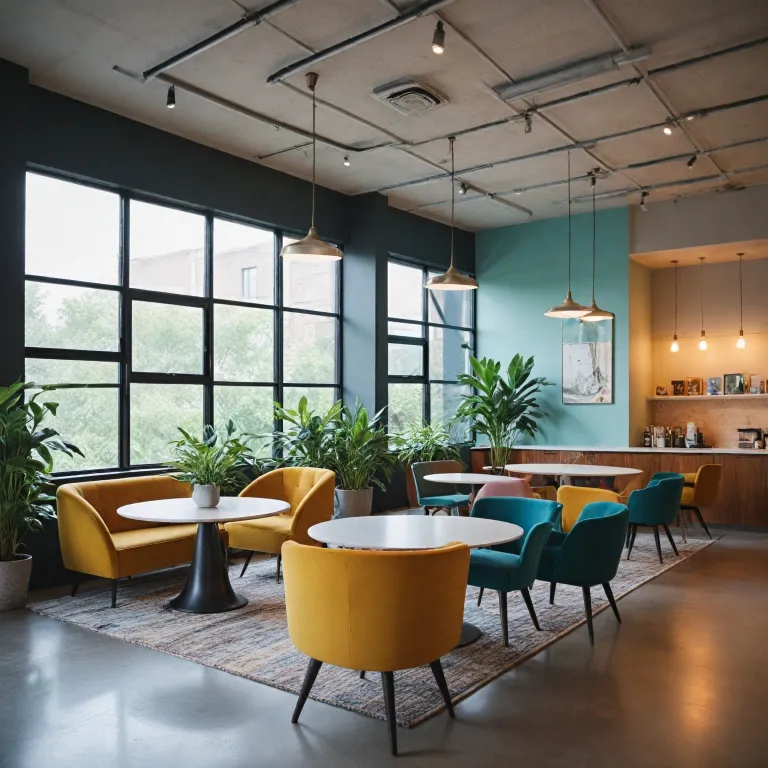
Integrating coworking spaces into hotels: A new era for hospitality
The integration of coworking spaces within hotels is transforming the hospitality landscape, especially in urban hubs like Chicago. This evolution is driven by the rising demand for flexible work environments among remote workers, business travelers, and enterprises seeking adaptable solutions. Hotels that offer coworking spaces, meeting rooms, and shared office options are attracting a new segment of guests, increasing occupancy rates and diversifying revenue streams. Capacity planning is crucial, as hotels must balance the needs of overnight guests with those of day pass users and teams seeking office space for meetings or events. The ability to offer both private shared and shared office environments on different floors ensures that hotels can cater to varying preferences, from quiet solo work to collaborative team sessions.
Operators are leveraging technology to streamline bookings for coworking spaces, day rooms, and meeting rooms, making it easier for users to select hotels that fit their needs. The Loop and Fulton Market districts in Chicago have become hotspots for coworking hotels, offering proximity to Millennium Park and other attractions, which enhances the appeal for both local and visiting professionals. By providing amenities such as high-speed Wi-Fi, ergonomic seating, and green spaces, hotels are creating environments that support productivity and well-being. The trend is not limited to large chains; boutique hotels and independent properties are also embracing coworking, recognizing the value of fostering a vibrant community of professionals who walk in for a day pass or stay for a full-time office day.
For hospitality leaders, the challenge lies in optimizing capacity and ensuring that the space is fully utilized throughout the day. This requires a strategic approach to design, operations, and marketing, with a focus on delivering seamless experiences for both hotel guests and coworking users. The integration of coworking spaces is not just a trend but a fundamental shift in how hotels position themselves in the market, blending accommodation, work, and community in innovative ways.
Enhancing guest experience through flexible workspace solutions
Flexible workspace solutions in hotels are reshaping the guest experience, offering more than just a place to sleep. Guests now expect access to coworking spaces, meeting rooms, and office space that can be reserved for a day or longer. This shift is particularly evident in Chicago hotels, where the demand for day rooms and office day passes has surged among business travelers and local professionals alike. Hotels are responding by designing spaces that accommodate both individual work and team collaboration, with capacity ranging from small private shared offices to large meeting rooms for events.
The ability to book a guest room with access to coworking facilities is a significant draw for enterprises and HR departments seeking flexible solutions for their teams. Companies can organize offsite meetings, training sessions, or brainstorming events in hotel meeting rooms, taking advantage of the amenities and services that hotels provide. The proximity to key business districts like the Loop and Fulton Market, as well as attractions such as Millennium Park, makes these coworking hotels near me an attractive option for both local and visiting professionals.
Innovation in workspace design is also evident in the incorporation of green elements and wellness features, supporting the well-being of guests and workers. Hotels are investing in ergonomic furniture, natural lighting, and sustainable materials to create environments that promote productivity and comfort. The community aspect is further enhanced by networking events, workshops, and social gatherings, fostering connections among guests and local professionals. For more insights on optimizing workspace solutions in hospitality, explore our comprehensive guide to innovative hotel workspaces.
Operational strategies for maximizing coworking hotel capacity
Maximizing capacity in coworking hotels requires a multifaceted operational strategy that balances the needs of diverse user groups. Hotels must manage bookings for overnight stays, day passes, meeting rooms, and event spaces, ensuring that each area is utilized efficiently throughout the day. The use of advanced hotel management systems and online reservation platforms, such as those pioneered by Third Place, enables seamless coordination of room and workspace bookings. This technology-driven approach allows hotels to offer flexible options, from full-time office space to hourly meeting room rentals, catering to the dynamic needs of modern professionals.
Capacity planning extends beyond physical space to include amenities and services that enhance the user experience. High-speed Wi-Fi, printing facilities, and access to hotel amenities like gyms and pools are now standard expectations for coworking hotel users. Hotels in Chicago’s Loop and Fulton Market districts are leading the way, offering a range of options from private shared offices to open-plan coworking areas. The ability to walk to nearby attractions and business centers adds to the appeal, making these hotels a preferred choice for teams and individuals seeking flexibility and convenience.
To ensure that space is fully utilized, hotels are adopting dynamic pricing models and targeted marketing strategies. Membership programs, day passes, and event packages are tailored to attract different segments, from solo entrepreneurs to large corporate teams. The integration of coworking spaces within hotels is not just about adding desks and chairs; it’s about creating a holistic environment that supports work, collaboration, and community. For a deeper dive into operational best practices, visit our resource on coworking hotel operations.
Designing coworking hotels for sustainability and community
Sustainability and community are at the heart of the coworking hotel movement. Hotels are reimagining their spaces to incorporate green design principles, from energy-efficient lighting to the use of recycled materials in furniture and decor. The inclusion of green spaces, such as rooftop gardens and indoor plants, not only enhances the aesthetic appeal but also contributes to the well-being of guests and workers. These design choices reflect a commitment to environmental responsibility and align with the values of today’s professionals, who prioritize sustainability in their work and travel decisions.
Community-building is another key aspect of coworking hotels near me. By hosting events, workshops, and networking sessions, hotels create opportunities for guests and local professionals to connect and collaborate. This sense of community extends beyond the workspace, fostering relationships that can lead to new business opportunities and partnerships. The flexibility of coworking hotels allows for a variety of event formats, from small team meetings to large-scale conferences, with meeting rooms and event spaces designed to accommodate different group sizes and needs.
The integration of shared office spaces and private shared offices on different floors ensures that hotels can cater to both collaborative and focused work. This versatility is particularly valuable for enterprises and HR departments seeking adaptable solutions for their teams.
Meeting the needs of enterprise clients and innovation leaders
Enterprise clients and innovation leaders are increasingly turning to coworking hotels near me for flexible workspace solutions that support their evolving business needs. The ability to book meeting rooms, office space, and event venues within hotels offers unparalleled convenience and efficiency. Companies can organize offsite meetings, training sessions, and team-building events in spaces that are fully equipped with the latest technology and amenities. The proximity to business districts like the Loop and Fulton Market, as well as easy access to transportation and nearby attractions, makes these hotels an ideal choice for corporate clients.
HR departments and real estate managers appreciate the flexibility that coworking hotels provide, allowing them to scale workspace capacity up or down as needed. Day passes, office day rentals, and overnight stays can be tailored to the specific requirements of each team or project. The availability of private shared offices and shared office spaces ensures that companies can choose the environment that best suits their work style and objectives. Hotels that offer a range of options, from guest rooms with dedicated workspaces to large meeting rooms for events, are well positioned to attract enterprise clients seeking innovative solutions.
Innovation leaders in the hospitality industry are also exploring partnerships with coworking space operators and technology providers to enhance their offerings. By integrating advanced booking systems, digital access controls, and data analytics, hotels can optimize space utilization and deliver personalized experiences for their clients. This focus on innovation and adaptability is driving the growth of coworking hotels in major cities like Chicago and beyond.
Expert insights and verified perspectives on coworking hotels
Industry experts emphasize the transformative impact of coworking hotels on the hospitality sector. As one verified quote states, "Coworking hotels are accommodations that integrate dedicated workspaces within their premises, offering amenities like high-speed Wi-Fi, ergonomic seating, and meeting rooms to cater to remote workers and travelers." This integration is reshaping how hotels approach capacity management, guest services, and community engagement. Another expert insight highlights the accessibility of these spaces: "You can search online for hotels offering coworking spaces in your destination, use platforms like Third Place, or contact hotels directly to inquire about their workspace facilities." This ease of access is a key factor in the growing popularity of coworking hotels near me.
Policies regarding access to coworking spaces vary, as noted in the expert quote: "Policies vary by hotel; some offer complimentary access to coworking spaces for guests, while others may charge a fee or require a membership. It's best to check with the specific hotel for details." The availability of day passes is another important consideration: "Many coworking hotels offer day passes for individuals who are not staying overnight but wish to use the workspace facilities. Availability and pricing depend on the hotel." These insights underscore the importance of flexibility and transparency in meeting the needs of diverse user groups.
Amenities play a crucial role in the appeal of coworking hotels, as experts note: "Amenities typically include high-speed Wi-Fi, ergonomic seating, meeting rooms, printing services, and sometimes additional perks like complimentary coffee or access to hotel facilities such as gyms or pools." By offering a comprehensive suite of services, coworking hotels are setting new standards for hospitality and workspace integration.
Quantitative trends and future outlook for coworking hotels near me
The coworking hotel sector is experiencing robust growth, driven by changing work patterns and the demand for flexible, high-quality workspaces. In Chicago, the proliferation of coworking hotels in areas like the Loop and Fulton Market reflects the city’s status as a hub for innovation and business. Capacity management remains a top priority, with hotels optimizing space usage to accommodate both overnight guests and day pass users. The integration of green design elements and community-focused programming is enhancing the appeal of these spaces, attracting a diverse range of users from solo entrepreneurs to large corporate teams.
As the trend continues to evolve, hotels are exploring new ways to differentiate their offerings, from advanced technology integration to partnerships with coworking operators and local businesses. The ability to offer a seamless blend of accommodation, work, and community is positioning coworking hotels as leaders in the future of hospitality. With a focus on sustainability, flexibility, and user experience, these hotels are setting new benchmarks for the industry. The future outlook is promising, with continued growth expected as more hotels embrace the coworking model and adapt to the needs of modern professionals.
For a comprehensive overview of the latest trends and best practices in coworking hotels, industry leaders are encouraged to stay informed and engage with trusted resources and networks.
Key statistics on coworking hotels near me
- 60% of remote workers are seeking alternative workspaces.
- Hotel occupancy rates have increased by 15% due to coworking spaces.
- The growth rate of coworking spaces within hotels is 25%.
Frequently asked questions about coworking hotels near me
What are coworking hotels?
Coworking hotels are accommodations that integrate dedicated workspaces within their premises, offering amenities like high-speed Wi-Fi, ergonomic seating, and meeting rooms to cater to remote workers and travelers.
How can I find coworking hotels near me?
You can search online for hotels offering coworking spaces in your destination, use platforms like Third Place, or contact hotels directly to inquire about their workspace facilities.
Do coworking hotels offer day passes?
Many coworking hotels offer day passes for individuals who are not staying overnight but wish to use the workspace facilities. Availability and pricing depend on the hotel.