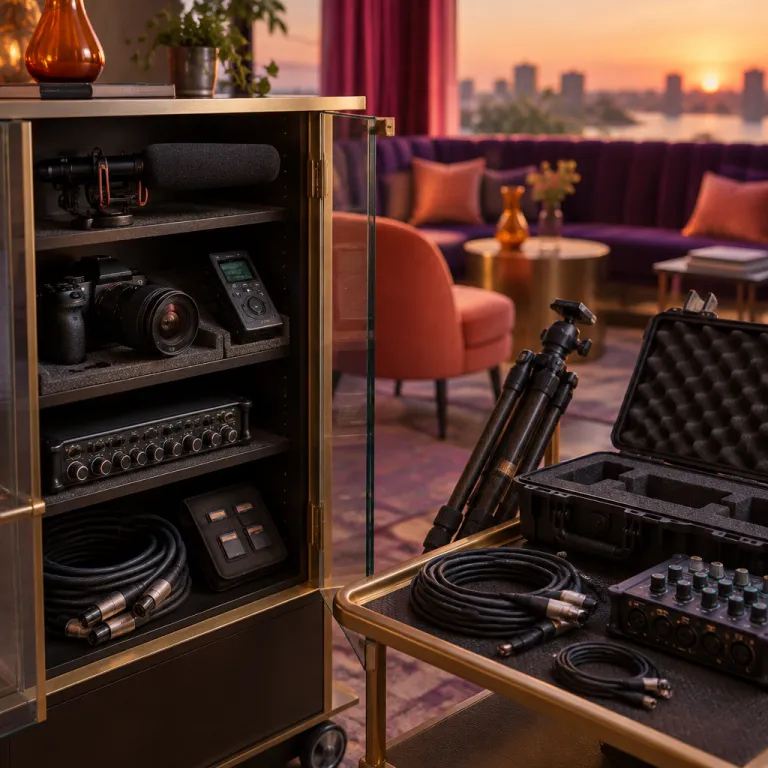
From hotel lobby to media ready coworking space
Hotel operators now treat every square metre as a potential coworking space that can host media teams, hybrid meetings, and extended stays. The best coworking amenities turn an underused lobby into a profitable workspace where guests can work all day with the same comfort as in a modern office. For asset managers, this shift from transient stays to recurring members unlocks new revenue streams and strengthens the hotel community.
To compete with urban coworking spaces, hotels must design each coworking space as a coherent ecosystem rather than a scattered set of desks. That means aligning lighting, acoustics, furniture, and digital access so that every desk, lounge, and bar table can become a productive workspace within seconds. When these elements are orchestrated, the hotel becomes a flexible office space that attracts both local members and travelling teams who want to book reliable work areas on short notice.
Media professionals need more than a good coffee corner and a few hot desks to work effectively. They require high speed, stable internet connectivity, generous power outlets, and private phone booths that support confidential calls and live recordings. When hotels combine these technical amenities with attentive service and clear wayfinding, the coworking spaces feel intuitive, calm, and ready for demanding production schedules.
Designing user journeys for hybrid work and hotel life
For exploitants hôteliers and directeurs d’actifs, the best coworking amenities start with a mapped user journey, not with furniture catalogues. A guest might arrive early in the day, use a day pass for a hot desk, attend community events in the evening, and then stay overnight in a quiet room. Each step must feel seamless, from digital access to the coworking space to frictionless payment and clear guidance toward meeting rooms or conference rooms.
Hybrid workers expect to move fluidly between common areas, private areas, and semi open coworking spaces without losing focus. Hotels that integrate a shared office concept into their lobby can guide members from informal coffee tea chats to more structured work in dedicated desks or private office space. This is where hotels can outperform legacy operators such as WeWork, as analysed in this article on the workspace community game that hotels are poised to win.
Media coworking in hotels also requires attention to the rhythm of the day and the week. Some members will book hot desks for a single day pass, while others will have day passes bundled with long stay contracts negotiated months ago by corporate clients. A well designed coworking space anticipates these patterns with flexible desk allocation, clear signage for phone booths and private phone rooms, and intuitive booking flows that reduce friction for both staff and users.
Balancing open energy and private focus areas
The most effective hotel coworking spaces balance the social energy of common areas with the calm of private areas. Open coworking spaces near the lobby bar encourage spontaneous meetings, while enclosed meeting rooms and conference rooms support confidential negotiations or media briefings. This zoning strategy allows members to choose the right workspace for each task during the day.
Operators should define three clear layers of space use for work focused guests. First, vibrant common areas with hot desks, shared office tables, and easy access to coffee tea create a welcoming community hub. Second, semi enclosed coworking space zones with dedicated desks and acoustic treatments support longer focus sessions, while third, fully private office space and private phone booths protect sensitive conversations and recording sessions.
Media professionals often move between these areas several times per day as their work shifts from writing to calls to editing. Hotels that provide high speed, reliable internet in every workspace, including pet friendly lounges and terrace areas, ensure that no transition breaks the workflow. Time zone aware hospitality, as explored in this piece on serving asynchronous guests who work while others sleep, becomes a core part of the best coworking amenities strategy.
Technology, access, and booking flows that feel invisible
For innovation leaders and directions immobilières, the best coworking amenities are often the ones guests barely notice. Digital access to the coworking space, meeting rooms, and private areas should feel as simple as opening a hotel room, whether through mobile keys, QR codes, or NFC cards. When members can book a desk, reserve conference rooms, or extend a day pass from their phone in seconds, they perceive the hotel as a truly modern workspace.
Media coworking requires robust infrastructure behind this apparent simplicity. High speed, redundant internet connections, secure Wi Fi segmentation between hotel guests and coworking members, and clear service level agreements for uptime are non negotiable. A well designed office space in a hotel must also integrate smart occupancy sensors in common areas and hot desks to optimise cleaning, lighting, and energy use without intruding on privacy.
Booking logic should reflect the diversity of users who started testing hotel coworking months ago and now expect more sophistication. Some members will want to book a single hot desk for a few hours, while others will need recurring dedicated desks, access to shared office studios, or bundled day passes for an entire project team. When these options are clearly presented in the booking interface, with transparent pricing and instant confirmation, both DRH and corporate travel managers gain confidence in using hotel coworking spaces for regular work.
Hospitality, community, and pet friendly media coworking
Hospitality is the differentiator that turns a functional coworking space into a preferred media hub. Staff trained to understand hybrid work patterns can guide members toward the right workspace, from quiet hot desks to more social common areas. Simple gestures such as proactively offering coffee tea refills or suggesting a better desk near a power outlet reinforce the sense of care.
Community building must be intentional, especially when hotel coworking spaces host both locals and travellers. Curated community events, such as media breakfasts, podcasting workshops, or content strategy clinics, help members connect beyond transactional work. Over time, this community transforms the hotel into a trusted office space alternative where people return week after week rather than a place they tried once months ago.
Pet friendly policies can further differentiate hotel coworking from traditional office space, provided they are carefully managed. Clearly defined pet friendly areas, combined with pet free private areas and meeting rooms, respect both animal lovers and those who prefer quiet, allergen controlled zones. When these rules are communicated at the moment members book a desk or day pass, expectations stay aligned and the overall workspace experience remains good for everyone.
Media ready meeting rooms and event spaces inside hotels
Media coworking in hotels reaches its full potential when meeting rooms and conference rooms are designed as plug and play studios. This means integrating acoustic treatment, flexible lighting, and reliable high speed connectivity into every meeting room, not just the flagship ballroom. For asset managers, these upgrades turn traditional event spaces into year round revenue generators that serve both local companies and travelling media crews.
Operators can learn from properties that already optimise their meeting and event capacity for media coworking. The approach described in this case study on optimising meeting and event spaces for media coworking in hotels shows how careful zoning and scheduling can increase utilisation without overwhelming staff. When meeting rooms, common areas, and private areas are coordinated as a single system, members can move from a brainstorming session to a recorded interview and then to focused solo work at a hot desk in minutes.
Day pass and day passes products should explicitly include access to specific meeting rooms, phone booths, and private phone spaces to avoid confusion. Clear signage and digital displays help members understand which coworking spaces are available, which office space is reserved, and where shared office resources such as printers or podcast booths are located. This clarity is especially valuable for media teams who may have first used the hotel coworking space only a short time ago and now need predictable, repeatable workflows.
Metrics, asset value, and long term positioning
For directeurs d’actifs and directions immobilières, the best coworking amenities are those that enhance both operational performance and asset value. Tracking utilisation of each coworking space, from hot desks to dedicated desks and meeting rooms, provides concrete data on which areas generate the highest revenue per square metre. Over time, this data guides investment decisions about where to expand office space, where to add more phone booths, and which common areas should remain social rather than converted into workspace.
Human resources leaders in entreprises utilisatrices also evaluate hotel coworking spaces through the lens of employee experience. They look at how easily staff can book a desk, how reliable the speed internet is, and whether the community events and pet friendly policies align with their culture. When these elements are strong, hotel coworking becomes a credible extension of the corporate shared office strategy rather than a last minute backup option.
Media coworking in hotels started as an experiment for many operators only a few months ago, yet it is rapidly becoming a core part of the hospitality value proposition. The best coworking amenities now include not only high speed connectivity and ergonomic workspace design, but also thoughtful zoning of private areas, flexible day pass products, and a hospitality driven community layer. Hotels that treat coworking spaces as strategic assets rather than side projects will be best positioned to serve the next generation of mobile, media focused workers.
Key figures on hotel coworking and hybrid work
- According to JLL, flexible office space, including coworking spaces in hotels, is expected to represent around 30 % of total office demand in major cities within the next decade, up from less than 5 % a few years ago. This figure is based on industry forecasts published by JLL in recent years and should be treated as an indicative estimate rather than a precise prediction.
- A CBRE survey reported that more than 70 % of corporate real estate leaders plan to increase their use of flexible workspace solutions, which directly supports demand for hotel based coworking space and day pass products. The exact percentage varies slightly between CBRE reports, so this number should be read as a rounded summary of their findings.
- Data from the Global Business Travel Association suggests that over 40 % of business travellers now extend trips by at least one day to combine work and leisure, creating strong potential for hotel coworking spaces and hybrid workspace offerings. Different GBTA studies report slightly different figures, so this percentage is best understood as an approximate range.
- Research by McKinsey indicates that employees who can choose their workspace, including access to coworking spaces and shared office options, are around 15 % more productive on average than those limited to a single office location. McKinsey has published several pieces on hybrid work productivity, and this number reflects a synthesis of their commonly cited estimates.
FAQ about media coworking in hotels
How should hotels zone coworking spaces for media professionals ?
Hotels should create three main zones : lively common areas with hot desks, semi enclosed focus zones with dedicated desks, and fully private areas with meeting rooms, conference rooms, and phone booths. This structure lets media workers move between collaboration and deep focus without leaving the property. Clear signage and booking rules keep each area aligned with its intended use.
Which technical amenities are essential for media coworking in hotels ?
Essential technical amenities include high speed and redundant internet connections, extensive power outlets, and sound treated private phone booths. Meeting rooms should offer reliable audiovisual equipment, good lighting, and simple plug and play connectivity. Secure Wi Fi segmentation between hotel guests and coworking members is also critical for data protection.
How can hotels integrate pet friendly policies into coworking spaces ?
Hotels can designate specific pet friendly areas, such as parts of the lobby or terrace, while keeping certain private areas and meeting rooms pet free. Clear communication during the booking process helps members choose the right workspace for their needs. Basic rules on leashes, noise, and hygiene protect both pets and other guests.
What booking models work best for hotel coworking members ?
Successful models usually combine flexible day pass options, recurring memberships with access to hot desks, and premium plans with dedicated desks or private office space. Corporate clients often prefer bundles that include meeting rooms and conference rooms credits. A simple digital interface that allows members to book, modify, or cancel reservations in real time is essential.
How do hotel coworking spaces impact asset value and performance ?
Well designed coworking spaces increase utilisation of underused areas and generate recurring revenue beyond traditional room nights. By tracking occupancy of desks, meeting rooms, and common areas, asset managers can optimise layouts and pricing. Over time, a strong coworking offer can reposition a hotel as a mixed use workspace hub, which can enhance both cash flow and long term asset valuation.
References : JLL, CBRE, Global Business Travel Association, McKinsey & Company (figures summarised from publicly available industry reports and presented as indicative estimates).