From living room to lobby office: what makes a hotel lobby workspace actually work
The Hoxton did not wait for the term “workspitality” before treating the lobby as a serious place for work. In every hotel the lobby is laid out as a living room that quietly doubles as a hotel lobby workspace where a guest can open a laptop without feeling they stole a seat from the bar. For general managers and asset directors, the question today is not whether people will work in the lobby, but how to design hotel lobbies so that this work activity drives both business performance and guest satisfaction.
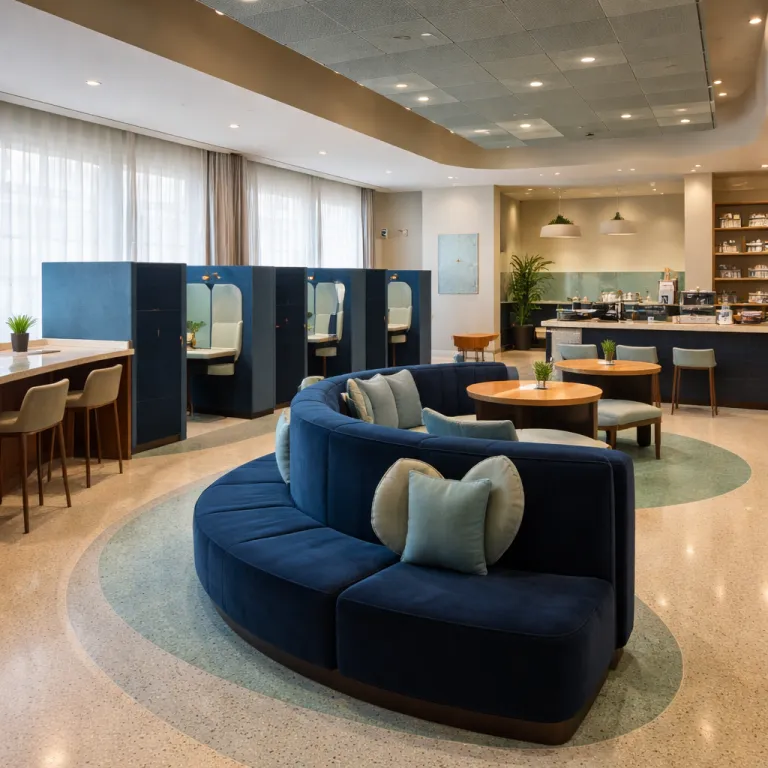
Across Chicago, Brooklyn, Portland, London, Paris and Amsterdam, The Hoxton uses the same basic grammar of space. A guest entering the hotel lobby first reads the café bar and coffee counter, then a sequence of sofas, communal tables and smaller desk style tables that signal a work friendly environment for remote workers and local professionals. This choreography matters more than any marketing line about remote work, because it tells a guest or a non guest, without words, that this is a legitimate place to work remotely for the day.
Industry data shows that a large majority of hotels now offer some form of lobby workspace, and the rise in remote work has materially increased the number of people who treat a lobby as their third place. The dataset confirms that many hotels provide free WiFi, power outlets and comfortable seating, which are now baseline expectations for any serious hotel lobby workspace. For operators, the opportunity is to move beyond simply offering free wifi in a nice room and instead curate a layered space that can flex between quiet work, social coffee shop energy and evening bar revenue without losing control of noise or seat availability.
Zoning the hybrid floorplate: how The Hoxton balances bar, lounge and desk
Walk into The Hoxton in Paris or in Brooklyn and you see zoning before you notice décor. The bar anchors one side of the lobby, while a mix of sofas, low tables and higher communal tables creates a gradient from relaxed lounge to focused desk area that feels like a curated coffee shop rather than a traditional hotel lounge. This is the core spatial move that turns a generic hotel lobby into a hotel lobby workspace that can host both a guest on a short stay and a local entrepreneur who treats the lobby as their daily place of work.
The shared table is where the social contract lives. Long wooden tables with integrated power and comfortable chairs are clearly designed for work, yet they sit close enough to the bar and coffee counter that ordering another coffee or a light lunch feels natural and keeps the F&B revenue flowing throughout the day. In these hotel lobbies, the layout makes it obvious that lobbies work as both public living rooms and as a work friendly space, without any need for signage that shouts “coworking”.
For a GM in a more conservative brand, the transferable lesson is not to copy the exact furniture, but to define clear micro zones within the same room. One zone can lean towards work play, with higher tables, better task lighting and chairs selected with ergonomic intent, as explored in depth in this analysis of hotel chairs in modern hospitality spaces on Hotel Coworking. Another zone can stay closer to a classic hotel living room, protecting traditional guests from laptop culture while still allowing the lobby to function as a flexible place to work remotely during the day.
Operational rhythm: from first coffee to last cocktail without losing the workers
Design sets the stage, but the daily rhythm determines whether a hotel lobby workspace actually retains its remote workers. At The Hoxton, mornings are calibrated around breakfast service and strong coffee, with music levels low enough that a guest can take a video call from a corner desk without shouting. As the day progresses, the same space shifts towards a livelier bar atmosphere, yet the team avoids flipping the room so aggressively that people who chose the lobby as their place of work feel pushed out before they are ready to leave.
The operational choreography is precise. DJ slots and louder playlists are typically timed after the late afternoon peak of remote work, so that a guest who booked a day room or a meeting room can finish their business commitments before the lobby turns fully social. Event programming is layered into this pattern, using parts of the lobby or adjacent rooms so that a talk, a brand activation or a local community event does not displace every laptop user who has quietly contributed F&B revenue since early in the day.
For GMs, the lesson is to map the full 24 hour cycle of the lobby and align staffing, music, lighting and table management with the expected mix of business guests, leisure travellers and local remote workers. Hotels that treat the lobby as a serious workspace tend to formalise simple rules, such as keeping at least one zone of the lobby work friendly until early evening and avoiding full buyouts of the entire lobby during core work hours. This operational discipline protects both the guest who paid for a room and the non resident who chose the hotel over competing coffee shops in the same city.
Staffing, service and revenue mix: hospitality first, membership second
The Hoxton model is unapologetically hospitality led. Baristas, bartenders and lobby hosts serve hotel guests, local neighbours and remote workers with the same tone, which avoids the awkward split between “members” and “hotel guests” that can plague some work hotel hybrids. This approach aligns with research showing that around 70% of members prioritise collaboration-friendly spaces over private offices, because the real value lies in how the team animates the space rather than in how many enclosed rooms exist behind access control.
Revenue follows this service logic. F&B is the primary driver, with coffee, breakfast, all day dining and evening drinks generating a steady ticket from people who may never book hotel rooms but still contribute meaningfully to the P&L. Secondary revenue comes from meeting room reservations, small events and, in some markets, light membership models that guarantee a desk or a quieter corner of the lobby during peak hours without turning the space into a closed coworking club.
For asset managers and owners, the key is to model the lobby as a multi use space that supports both transient business and longer stays. A guest who comes for a coffee, stays to work remotely for half the day and then decides to extend their stay with a last minute room reservation is a realistic scenario in cities like New York City or San Francisco, where The Hoxton competes directly with established coworking brands and high quality coffee shops. The staffing plan must therefore train the équipe to upsell gently from coffee to lunch, from day use of a desk to a full stay in the hotel, and from casual lobby work to paid meeting room bookings when privacy becomes essential.
Where the model breaks, and how a more traditional GM can still win
No hotel lobby workspace is friction free. Peak weekend volume, wedding groups and large tour parties can easily overwhelm even the best designed lobby, pushing remote workers towards the exits and generating noise complaints from guests who expected a calmer room. The Hoxton mitigates this by accepting that some days the lobby is more public living room than office, and by using adjacent rooms or semi private corners as pressure valves when the main space becomes too loud for focused work.
Another failure point is the mismatch between brand promise and on the ground reality. A hotel that markets itself as a work friendly hub but offers unreliable wifi, scarce power outlets and no comfortable desk height tables will quickly lose credibility with remote workers who have plenty of alternatives in any major city. The dataset underlines that many hotels already provide free WiFi and power, yet the competitive edge now lies in consistency, bandwidth and the ability to maintain this quality even when the lobby is full of guests streaming content, taking calls and running their business from the same shared space.
For a GM running a more conservative flag, the goal is not to copy The Hoxton’s entire playbook, but to borrow the 30% that fits the brand and the building. That might mean carving out a clearly signed work zone near natural light, investing in better chairs and air quality as outlined in Hotel Coworking’s guidance on practical strategies to enhance air quality in lobby and coworking spaces, and setting simple etiquette rules so that lobbies work for both laptop users and guests who simply want a quiet coffee. By treating the lobby as a flexible place to work, meet and relax rather than as a static waiting room, even a midscale property can unlock new revenue streams and higher guest satisfaction without alienating its core clientele.
Key statistics on hotel lobby workspaces
- Approximately 75% of hotels now offer some form of lobby workspace, reflecting a structural shift in how lobbies are programmed and monetised.
- The number of remote workers using hotel lobbies as informal offices has increased by around 50% over the last decade, driven by the broader rise of remote work and flexible working patterns.
- Hotels that provide reliable free WiFi, accessible power outlets and comfortable seating in their lobbies report higher guest satisfaction scores and improved lobby utilisation rates.
- Partnerships between hotels and coworking operators are becoming more common, with many properties experimenting with day passes, memberships and dedicated work zones within existing lobby footprints.
Frequently asked questions about hotel lobby workspaces
Can non guests use a hotel lobby as a workspace ?
Many hotels allow non guests to work in the lobby as long as they behave respectfully and often order at least a coffee or snack. Policies vary by property, so operators should clarify whether they welcome local remote workers explicitly or prefer to prioritise in house guests. Clear guidelines help staff manage expectations and avoid awkward conversations during busy periods.
Do hotel lobbies usually provide suitable amenities for remote work ?
Modern hotel lobbies increasingly offer free WiFi, accessible power outlets and comfortable seating that support laptop based work. Some properties go further with dedicated work zones, communal tables, printers and small meeting rooms that can be booked by the hour. For a GM, auditing these basics is the first step before investing in more advanced coworking style services.
Should hotels charge for using lobby workspaces ?
There is no single right model, but many successful hybrid properties keep access to the lobby itself free and monetise through F&B, meeting room bookings and optional memberships. Charging a strict fee for simply sitting in the lobby can deter both guests and local professionals, especially in competitive urban markets. A softer approach, such as minimum spend policies during peak hours, often balances revenue needs with an open, welcoming atmosphere.
How can hotels minimise noise conflicts between workers and leisure guests ?
Zoning is the most effective tool, with one part of the lobby designed as a quieter work area and another programmed for social activity. Music levels, event timing and furniture layout all contribute to keeping calls and keyboards away from guests who want a relaxed coffee or a calm pre stay moment. Training staff to manage volume and gently redirect loud groups also protects the work friendly reputation of the space.
What simple changes can a traditional hotel make to support lobby work ?
Even without a full redesign, a hotel can add more power outlets, upgrade WiFi, introduce a few communal tables at proper desk height and adjust lighting to be more work friendly. Clear signage that welcomes laptops in specific zones, paired with a strong coffee offer and all day snacks, can quickly attract remote workers. Over time, tracking usage patterns and F&B spend will show whether deeper investment in a structured hotel lobby workspace is justified.
Sources
- Upgraded Points – Overview of Accor and Ennismore hotel brands, including The Hoxton.
- Coworking Insights – Analysis of Accor and Radisson strategies in coworking and hybrid hospitality.
- The Cannon – Research on coworking user preferences and collaboration friendly spaces.