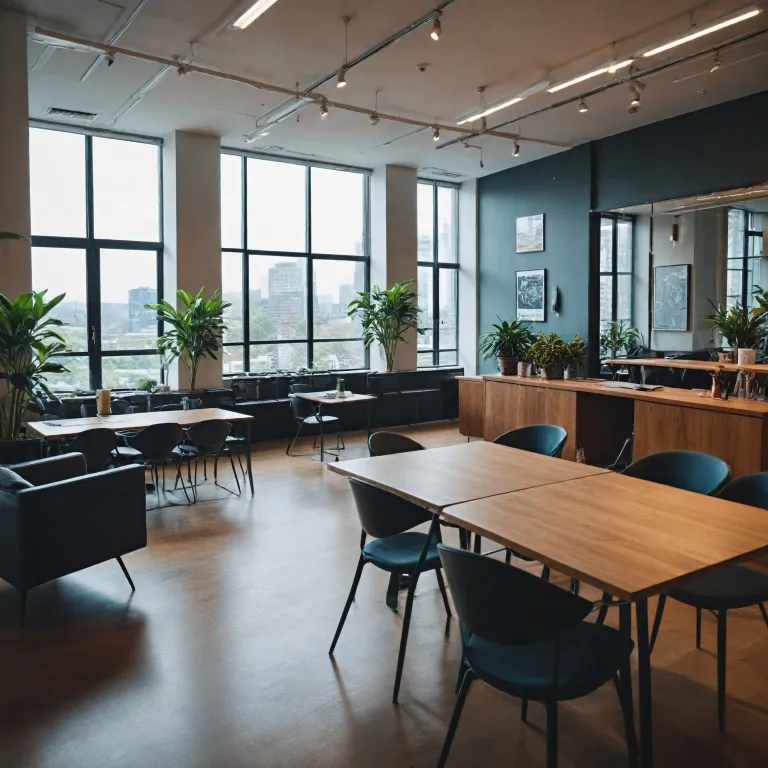
Transforming hospitality: coworking spaces in business hotels as a strategic asset
Coworking spaces in business hotels are redefining the hospitality industry by merging the flexibility of modern work environments with the comfort and service of hotels. These spaces are not just an amenity; they represent a strategic shift for hotel operators, asset managers, and innovation leaders seeking to maximize underutilized areas. Hotels offer coworking spaces in lobbies, lounges, and meeting rooms, creating communal spaces that attract both hotel guests and local professionals. The integration of coworking space within hotels responds to the growing demand from digital nomads, remote workers, and business travelers who require adaptable working environments. By transforming public spaces into open, communal areas, hotels provide a sense of place that fosters productivity and collaboration. The hospitality industry is leveraging these communal spaces to enhance the guest experience, offering amenities such as high-speed internet, food and beverage services, and access to meeting rooms. For hotel operators, the move towards coworking spaces is also a financial opportunity. Utilizing spaces that would otherwise remain idle during off-peak hours, hotels generate additional revenue streams and increase occupancy rates. The communal space concept is further strengthened by partnerships with coworking space operators and local businesses, ensuring that the offer remains relevant and competitive. This evolution positions hotels as dynamic hubs for working, meeting, and networking, appealing to a diverse clientele seeking both comfort and productivity.Designing flexible work environments: optimizing hotel spaces for productivity
The design of coworking spaces in business hotels is critical to their success. Hospitality professionals must consider how to transform traditional hotel areas into functional, inviting coworking spaces that cater to the needs of business travelers, digital nomads, and local professionals. Lobbies, lounges, and even food and beverage areas are being reimagined as open, communal spaces where people can work, meet, and connect. Hotels offer a variety of coworking space options, from open-plan communal spaces to private offices and meeting rooms. This flexibility allows guests and local businesses to choose the environment that best suits their working style. The integration of technology infrastructure, such as high-speed Wi-Fi and printing services, is essential for creating a seamless working experience. A well-designed coworking space within a hotel enhances the sense of place and supports the overall guest experience. Hospitality industry leaders are increasingly focusing on the aesthetics and functionality of these spaces, ensuring that they are both comfortable and conducive to productivity. For more insights on optimizing hospitality environments, explore our guide on hotel workspace design best practices. By prioritizing the needs of modern professionals, hotels can create coworking spaces that stand out in a competitive market.Enhancing guest experience: the role of communal spaces and amenities
The guest experience is at the heart of the hospitality industry, and coworking spaces in business hotels play a pivotal role in elevating this experience. By offering communal spaces that are open to both hotel guests and local professionals, hotels foster a vibrant atmosphere where people can work, network, and collaborate. These communal spaces are designed to be welcoming and adaptable, catering to the diverse needs of business travelers and digital nomads. Amenities such as food and beverage services, high-speed internet, and access to meeting rooms are integral to the coworking space offer. Hotels also provide private offices and meeting spaces for those who require more privacy or need to host formal meetings. The availability of these amenities enhances the overall value proposition for guests, making the hotel a preferred place to work and meet. The integration of coworking spaces into hotels also benefits local businesses, which can utilize these areas for meetings and events. This approach strengthens the hotel's connection to the local community and creates new opportunities for collaboration. For a deeper understanding of how communal spaces impact guest satisfaction, read our article on guest-centric coworking environments. The hospitality industry is continuously innovating to ensure that coworking spaces in hotels meet the evolving expectations of modern professionals.Revenue generation and operational efficiency: financial benefits for hotels
Coworking spaces in business hotels are not only enhancing the guest experience but also driving significant financial benefits for hotel operators. By repurposing underused areas such as lobbies, lounges, and meeting rooms, hotels can generate additional revenue streams and improve operational efficiency. The offer of coworking spaces attracts a new segment of business travelers, digital nomads, and local professionals who are willing to pay for flexible, high-quality working environments. Hotels offer day passes, memberships, and tailored packages for coworking spaces, meeting rooms, and private offices. This diversified offer appeals to a wide range of users, from solo travelers to local businesses seeking a professional place to work or host meetings. The integration of food and beverage services further increases revenue opportunities, as guests and visitors are likely to purchase meals and refreshments while working. According to industry data, hotels have seen up to a 30% increase in revenue from coworking spaces. This trend is expected to continue as more hotels recognize the value of transforming communal spaces into productive working areas. The financial impact of coworking spaces in hotels underscores their importance as a strategic asset in the hospitality industry.Building community: connecting guests, local businesses, and digital nomads
One of the most compelling aspects of coworking spaces in business hotels is their ability to foster a sense of community. By creating open, communal spaces that are accessible to both hotel guests and local professionals, hotels become vibrant hubs for networking, collaboration, and innovation. The hospitality industry is uniquely positioned to facilitate these connections, leveraging its expertise in service and guest experience. Coworking spaces in hotels offer more than just a place to work; they provide opportunities for people to meet, share ideas, and build relationships. Meeting rooms and communal areas are designed to encourage interaction, while private offices cater to those who need focused working environments. The integration of local businesses into the coworking space ecosystem further enriches the community, creating a dynamic environment where diverse groups can thrive. As one expert notes, "Coworking spaces in hotels are designated areas within hotel properties that offer flexible work environments equipped with amenities like high-speed internet, meeting rooms, and business services, catering to both guests and local professionals." This approach not only enhances the guest experience but also strengthens the hotel's position within the local business landscape. The sense of place created by these communal spaces is a key differentiator for hotels seeking to attract modern professionals.Future trends: innovation and the evolving landscape of hotel coworking
The future of coworking spaces in business hotels is shaped by ongoing innovation and the evolving needs of modern professionals. The rise of remote work and digital nomadism has fundamentally changed the way people approach work, travel, and hospitality. Hotels are responding by continuously adapting their coworking space offer, integrating advanced technology, and expanding the range of amenities available to guests and local businesses. Emerging trends include the development of luxury coworking spaces within hotels, the use of smart technology to enhance the working experience, and the creation of specialized meeting spaces for different types of users. The hospitality industry is also exploring new partnerships with coworking space operators and technology providers to stay ahead of the curve. As more hotels offer coworking spaces, the competition will drive further innovation in design, services, and community engagement. The integration of coworking spaces into hotels is expected to have a lasting impact on the hospitality industry, creating new opportunities for revenue generation, guest satisfaction, and community building. By staying attuned to the needs of business travelers, digital nomads, and local professionals, hotels can ensure that their coworking spaces remain relevant and valuable in a rapidly changing world.Key statistics on coworking spaces in business hotels
- Projected percentage of mobile workers in the U.S. by 2025: 70% (International Data Corporation)
- Increase in hotel revenue from coworking spaces: 30% (Cubework)
Frequently asked questions about coworking spaces in business hotels
What are coworking spaces in hotels?
Coworking spaces in hotels are designated areas within hotel properties that offer flexible work environments equipped with amenities like high-speed internet, meeting rooms, and business services, catering to both guests and local professionals.
Why are hotels incorporating coworking spaces?
Hotels are incorporating coworking spaces to attract remote workers and digital nomads, utilize underused areas, and generate additional revenue streams by offering flexible work environments.
Are hotel coworking spaces open to non-guests?
Yes, many hotel coworking spaces are open to non-guests, often offering day passes or memberships to local professionals seeking flexible work environments.
Trustworthy sources for further reading
- https://www.hotelmanagement.net
- https://www.businesstravelnews.com
- https://www.coworker.com/mag