Strategic benefits coworking brings to hotel assets and brands
For hotel owners, the real benefits of coworking spaces start with asset optimization. A coworking space transforms underused lobby corners, meeting rooms and banquet areas into productive office space that generates recurring revenue. This shift from occasional events to daily working activity changes the economic profile of the property.
Instead of relying only on transient guests, hotels attract local businesses, entrepreneurs and startups who need flexible offices. These people work on site all week, which increases ancillary spend in food and beverage outlets, parking and wellness facilities. Over time, this diversified business mix stabilizes cash flow and reduces exposure to cyclical tourism.
Compared with a traditional office, hotel based coworking spaces offer unmatched flexibility for term leases and layout. Operators can reconfigure space quickly as demand for private offices, hot desks or virtual offices evolves. This agility is particularly valuable for small businesses that hesitate to commit to long term contracts in traditional offices.
From a brand perspective, the benefits coworking delivers go beyond revenue and occupancy. A vibrant coworking space positions the hotel as a local hub for innovation, business networking and community events. This perception strengthens relationships with corporate clients and supports premium pricing for both rooms and meeting rooms.
For asset managers, the advantages coworking model also lie in data and risk management. Continuous working activity generates granular information about space utilization, dwell time and ancillary spend, which informs future office space investments. At the same time, diversified tenants and users reduce reliance on a single business segment or season.
Designing coworking spaces that enhance both work and hospitality
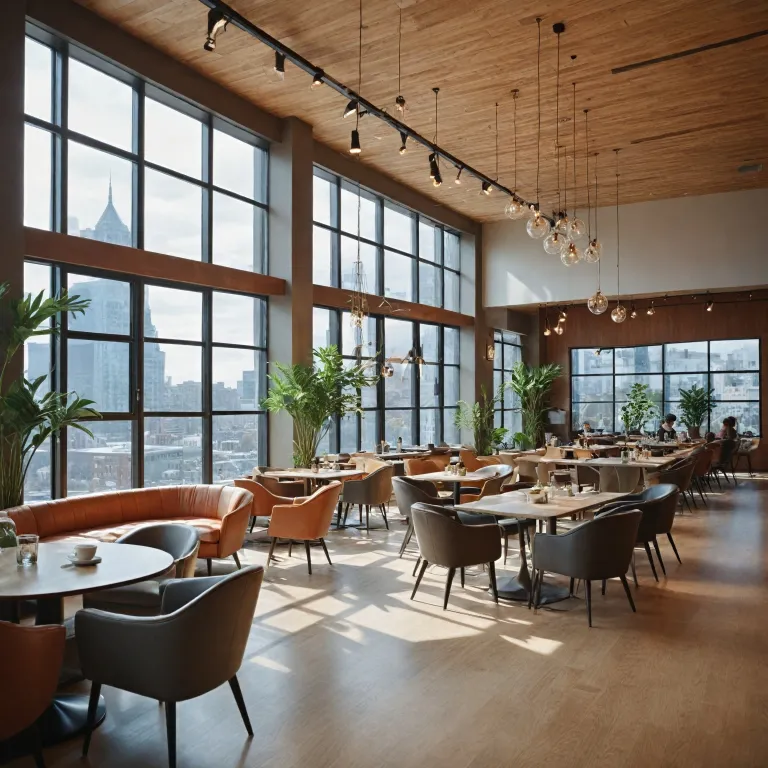
When hotels integrate coworking spaces, design decisions must respect both work and hospitality standards. A successful coworking space balances acoustic comfort, ergonomic office furniture and intuitive circulation with the warm atmosphere expected in an upscale lobby. This dual identity is what convinces workers to stay for the full day instead of returning to a traditional office.
Spaces provide different working postures, from quiet focus zones to collaborative lounges and formal meeting rooms. These spaces offer clear zoning so people can choose the right environment for each task, which directly supports productivity and well being. According to research partners, “Coworking spaces offer benefits such as increased employee satisfaction, enhanced productivity, networking opportunities, in-office perks, and convenient locations.”
Technical infrastructure is equally critical for any coworking space located in a hotel. High speed internet, robust Wi Fi coverage and secure networks must match or exceed what businesses expect in dedicated offices. Without this level of reliability, even the most elegant space will fail to attract serious entrepreneurs and startups.
Hospitality teams should also rethink how food and beverage concepts support daily working patterns. Grab and go counters, healthy menus and barista style coffee bars encourage people to work longer on site and invite clients for informal meetings. These offers create additional benefits coworking users value while increasing revenue per square metre for the hotel.
Finally, design must anticipate the need for privacy and hybrid work tools. Phone booths, soundproof pods and video enabled meeting rooms allow workers to handle confidential business calls or virtual offices sessions. This combination of openness and privacy is what differentiates hotel coworking spaces from noisy cafés or rigid traditional offices.
Operational models and partnerships between hotels and coworking operators
For exploitants hôteliers and directeurs d’actifs, the choice of operational model shapes the long term success of coworking spaces. Some groups internalize the coworking space under the hotel brand, keeping full control of pricing, design and customer experience. Others partner with specialized coworking operators who bring expertise, a client base and proven processes.
In a management agreement, the coworking operator manages the day to day working environment while the hotel retains ownership of the office space. This structure can align interests if performance based fees reward occupancy, ancillary revenue and customer satisfaction. It also allows the hotel to benefit from the operator’s marketing power among entrepreneurs, startups and small businesses.
Alternatively, a lease model transfers more risk and control to the coworking brand. The operator rents a defined space, converts it into offices and virtual offices, then sells memberships and term leases directly to businesses. For hotels with limited operational capacity, this approach simplifies management but requires careful negotiation of long term conditions.
Hybrid models are emerging where hotels and coworking operators share certain services. Front office, cleaning, security and food and beverage can be centralized, while the coworking space team focuses on community building and networking events. This shared services approach can improve margins and create a seamless experience for people moving between rooms, meeting rooms and work areas.
Whatever the structure, clear governance and data sharing are essential to capture the full benefits coworking can deliver. Joint steering committees should review occupancy, business networking indicators and feedback from workers on a regular basis. This disciplined approach helps both parties refine the offer, adjust office layouts and maintain a strong value proposition against traditional offices.
Human resources, corporate mobility and the rise of hotel based work hubs
For DRH and corporate real estate leaders, the benefits of coworking spaces in hotels address several strategic challenges. Distributed teams, hybrid working policies and reduced headquarters footprints all require new types of office space. Hotel coworking spaces provide a ready made network of professional environments close to where employees live or travel.
Instead of maintaining multiple traditional office sites, companies can use flexible offices and virtual office solutions embedded in hotels. Employees gain access to professional meeting rooms, speed internet and support services without long term commitments. This model reduces fixed costs while preserving the quality of work environments that people expect from a modern employer.
From a talent perspective, the advantages coworking offers are closely linked to autonomy and well being. Workers can choose the most convenient space on a given day, whether near a client, a transport hub or their home. This flexibility supports work life balance and can strengthen retention, especially for knowledge workers and mobile teams.
Hotel based coworking spaces also create new business networking opportunities for corporate users. Employees share spaces with entrepreneurs, startups and small businesses, which can lead to partnerships, recruitment or innovation projects. In markets such as the united states, this cross pollination has become a recognized driver of local business ecosystems.
For HR and innovation leaders, structured networking events hosted in hotel coworking spaces provide additional value. Breakfast talks, training sessions and community gatherings turn anonymous offices into living ecosystems where people exchange ideas. These formats help companies maintain culture and engagement even when traditional offices are downsized or reconfigured.
Community, networking opportunities and media coworking dynamics in hotels
Média coworking dans les hôtels adds another layer to the benefits of coworking spaces. When journalists, content creators and communication teams share a coworking space with other businesses, the hotel becomes a media friendly hub. This concentration of creative workers can amplify the property’s visibility and reputation.
For operators, curating a mix of media professionals, entrepreneurs and corporate workers strengthens the community. Spaces provide natural occasions for collaboration, from ad hoc interviews in lounges to planned networking events in meeting rooms. These spaces offer fertile ground for storytelling about innovation, travel and local business life.
Media oriented coworking spaces in hotels also benefit from the existing hospitality infrastructure. Quiet rooms can be converted into temporary studios, while larger offices host editorial teams during major events. High speed internet and reliable technical support are essential to ensure live streaming, file transfers and virtual offices operations run smoothly.
From a commercial standpoint, this positioning attracts brands that value visibility and content creation. Companies may book office space or term leases specifically because they want proximity to media workers and influencers. In turn, the hotel gains access to organic coverage, partnerships and co branded events that reinforce its market presence.
For workers themselves, the advantages coworking model in a hotel context lies in daily serendipity. People meet potential clients at breakfast, share ideas at the bar and extend conversations into formal business meetings. This fluid mix of leisure, work and business networking is difficult to reproduce in isolated traditional offices or mono functional business parks.
Performance measurement, risk management and international scalability
To convince investors and asset managers, hotel based coworking spaces must demonstrate measurable benefits. Key indicators include occupancy of office space, revenue per square metre, ancillary spend and the share of repeat businesses. Tracking these metrics over the long term helps validate the advantages coworking brings compared with traditional office strategies.
Surveys among workers provide another layer of insight into satisfaction and productivity. Research has shown that a large majority of people working in coworking spaces report higher engagement and better performance. When these results are linked to specific design features, services or networking opportunities, operators can refine their offer with precision.
Risk management focuses on diversification and contractual structure. A mix of daily passes, monthly memberships and longer term leases spreads exposure across different client segments and time horizons. Combining local entrepreneurs, regional small businesses and international corporate users further stabilizes demand for offices and meeting rooms.
For hotel groups operating across the united states and other markets, scalability is a central question. Standardized design guidelines for coworking spaces, clear brand positioning and shared technology platforms support consistent quality. At the same time, each coworking space must adapt to local business cultures, regulations and expectations regarding virtual offices or term leases.
Finally, communication with stakeholders should highlight both quantitative and qualitative benefits coworking generates. Investors want evidence of resilient cash flows, while corporate clients focus on employee experience, flexibility and access to resources. By articulating these dimensions clearly, hotel operators can position coworking spaces as a core pillar of their future office and hospitality strategy.
Key statistics on coworking benefits in hospitality environments
- Approximately 77 % of coworkers report higher satisfaction levels when using coworking spaces compared with previous working arrangements.
- Around 74 % of people working in a coworking space state that their productivity has increased significantly.
- Close to 94 % of users identify on site perks such as coffee, snacks and social events as important benefits of coworking spaces.
- About 57 % of coworkers consider a convenient location a decisive factor when choosing a coworking space.
- Roughly 55 % of users highlight networking opportunities as a primary reason for remaining in coworking spaces over the long term.
Key questions about coworking spaces in hotels
What are the primary benefits of coworking spaces for hotel operators ?
For hotel operators, the primary benefits of coworking spaces include new recurring revenue streams, better use of underutilized areas and stronger ties with local businesses. A well designed coworking space increases daily footfall, which supports food and beverage, wellness and event sales. It also positions the hotel as a community hub, enhancing brand visibility and corporate relationships.
How do coworking spaces in hotels impact productivity for workers ?
Coworking spaces in hotels typically provide ergonomic furniture, quiet zones, meeting rooms and high speed internet, all of which support focused work. The mix of professional services and hospitality amenities helps workers maintain energy and concentration throughout the day. Many users report that this environment is more productive than both home working and traditional offices lacking community or flexibility.
Which amenities are most valued in hotel based coworking spaces ?
Users consistently value reliable speed internet, comfortable office furniture, natural light and a variety of work settings. Additional amenities such as quality coffee, healthy food options, social events and networking opportunities further enhance the perceived benefits coworking offers. In hotel contexts, access to guest services, fitness areas and on site accommodation adds a distinctive layer of appeal.
How can corporate real estate teams integrate hotel coworking into their office strategy ?
Corporate real estate teams can treat hotel coworking spaces as a flexible extension of their office portfolio. Instead of signing long term leases for every location, they can combine a smaller headquarters with access to multiple coworking spaces near clients and employees. Framework agreements with hotel groups allow standardized pricing, service levels and data reporting across cities and even across the united states.
What role do networking events play in the success of hotel coworking spaces ?
Networking events transform a simple office space into a dynamic business ecosystem. Regular talks, workshops and informal gatherings encourage people from different businesses, entrepreneurs and startups to connect and collaborate. For hotels, these events strengthen loyalty, generate media coverage and differentiate their coworking spaces from more traditional office offerings.