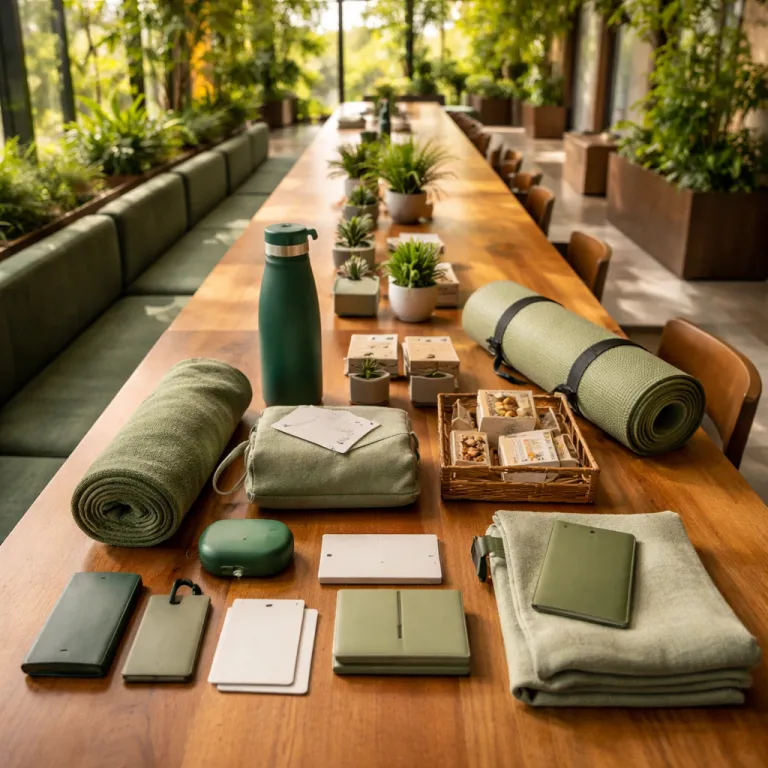
From day pass hype to a full work-friendly hotels portfolio
Work-friendly hotels are no longer a niche experiment for remote work but a structural answer to how business travelers actually use urban real estate. When a hotel treats coworking as a single day pass product, it leaves money on the table and risks turning the lobby into a low-yield office that quietly cannibalises rooms. The operators who work well with this shift treat every square metre of space as a flexible asset that can move between work, play and stay across the same day.
At its core, hotel coworking is a reprogramming of time rather than a rebranding of space. A work hotel that sells a day room from 9:00 to 18:00, then the same hotel room for three nights to a leisure guest, is monetising the same keys twice without adding inventory. Platforms such as HotelsByDay.com and DayBreakHotels.com have proved that work travel demand for a quiet room with a proper work desk, high speed Wi-Fi and privacy exists at scale, and that day stay bookings can be priced up to 75 % below overnight while still adding incremental margin. DayBreakHotels, for example, reported in 2023 that daytime bookings typically represent 5–10 % of total room revenue in participating urban properties while using stock that would otherwise sit empty.
For revenue and asset directors, the question is not whether coworking belongs in hotels but how to structure a portfolio of work friendly products that respects RevPAR. A single lobby day pass that includes unlimited coffee, beach towel access and meeting room use will quickly crowd breakfast and dilute F&B yield, while a clear bundling matrix can align work, stay and business travel segments without friction. The most advanced work hotel concepts now map every bundle against a capacity compass that tracks seats, sockets, views and video calls readiness by hour, not just by room type.
To ground this in numbers, consider a 180-room city hotel with an average daily rate (ADR) of 180 EUR and average ancillary spend of 40 EUR per overnight guest. A compliant day room rate fence might sit at 90 EUR (50 % of ADR), with a 10 EUR coffee credit and a rule in the PMS that caps day-use inventory at 15 % of keys on weekdays. In this scenario, selling 20 day rooms Monday to Thursday adds roughly 7 200 EUR in weekly incremental revenue (20 rooms × 90 EUR × 4 days), while protecting overnight RevPAR because the system automatically closes day-use once projected occupancy passes 80 %.
What are work-friendly hotels? Hotels offering amenities like Wi-Fi and work desks for professionals. How to book a hotel room for work purposes? Use platforms like HotelsByDay.com or DayBreakHotels.com. Are day-use hotel rooms cheaper? Yes, often up to 75 % off overnight rates, according to DayBreakHotels’ 2022 pricing benchmarks, which aggregate anonymised rate data from partner properties in major European cities.
Designing the bundling matrix so work does not evict the guest
A serious bundling strategy for work-friendly hotels starts with four archetypes : room plus workspace, room plus F&B plus workspace, long stay plus services, and corporate retreat packages. In practice, that means deciding when a hotel room is sold as a quiet office for remote work, when the same key is reserved for business travelers staying three nights, and when the lobby becomes a semi private coworking space with controlled access. The art is to let hotels offer all four archetypes without letting any single bundle overrun the breakfast area, the terrace with the best views or the small business center tucked behind reception.
Room plus workspace bundles are the entry point, usually a day room with a guaranteed work desk, ergonomic chair and coffee credit. Room plus F&B plus workspace adds lunch, maybe a beach club sunbed or bar credit, and often priority access to a business center or a small meeting room for video calls, which turns the hotel into a full office alternative for work travel. Long stay plus services bundles stretch over weeks, combining discounted hotel rooms, laundry, gym, printing and sometimes membership style access to coworking zones, which is where digital nomads and project teams start to work well and feel like residents rather than transient travelers.
Corporate retreat bundles are the most complex, because they merge rooms, event space, meals and dedicated working sessions into one commercial promise. Here, the rate fence must be crystal clear so that a corporate group booking for a retreat does not undercut a pure MICE event that only needs meeting rooms and a business center but no overnight stay. This is also where language matters : many properties are quietly retiring the coworking label and reframing their public areas as workspitality hubs, a shift analysed in depth in this piece on why workspitality is a sharper frame for hotel public spaces, which helps reposition the lobby as a flexible work play environment rather than a cheap office.
Once the matrix is defined, every bundle must be checked against operational reality. If a work hotel sells too many external coworking passes, in house guests will struggle to find a quiet corner to finish work or hold confidential video calls, and the front desk will bear the brunt of complaints. The most successful hotels use a simple capacity compass that tracks how many non resident workers can be in the lobby at any given time, and they adjust day stay and day room availability dynamically through their booking tools.
A basic bundling matrix for a 150-room urban work hotel might look like this :
| Bundle type | Inclusions | Target guest | Rate fence guideline |
|---|---|---|---|
| Room + workspace (day room) | 9:00–18:00 room, desk, Wi-Fi, coffee credit | Local remote workers, day-use business travelers | Price at 40–60 % of ADR; never below ADR minus average ancillary spend |
| Room + F&B + workspace | Day room, lunch, bar credit, meeting room hour | Corporate day guests, consultants, project teams | Bundle F&B at slight discount but protect meeting room BAR |
| Long stay + services | 7+ nights, laundry, gym, coworking access | Digital nomads, extended-stay executives | Weekly rate 10–20 % below BAR, with minimum stay rules |
| Corporate retreat package | Rooms, event space, breakout areas, meals | Teams on offsites and strategy retreats | Priced per person with clear separation from pure MICE day rates |
Cannibalisation traps, rate fences and channel strategy for work hotel products
Once work-friendly hotels move beyond the first coworking experiment, the main risk is not lack of demand but silent cannibalisation. Underpriced meeting rooms will eat into higher yielding event space, while unlimited lobby access passes can push paying guests back to their hotel rooms to work, which is the opposite of what a vibrant public space strategy aims for. The commercial director’s job is to set rate fences that keep each work and stay product in its lane, and to align channels so that incremental work travel demand does not simply shift from one SKU to another.
Day passes and day stay products, including the classic day room, are ideal for online intermediaries and high volume platforms, because they capture remote work and digital nomads who search by time slot rather than by destination. Long stay and three nights plus packages that combine a hotel room, a reserved work desk and F&B credits should sit behind direct booking walls, where the hotel can control length of stay, upsell and cross sell access to business centers or wellness. Corporate retreats, which bundle rooms, event space, office style breakout areas and curated work play activities, belong in the hands of the sales équipe, not on generic booking engines, because they require custom pricing and careful capacity planning.
Rate fences must be explicit : a day room should never be cheaper than the average achieved daily rate for an overnight stay once ancillary spend is included, and a coworking membership should not grant unlimited access to premium meeting rooms that are priced for business events. Some brands are now experimenting with separate work hotel labels or partner platforms, inspired by models such as the WeWork partner network analysed in this article on whether hotels should join or build their own workspace platform, to keep pricing logic clean between transient guests and external workers. The key is to treat every work friendly product as a distinct revenue stream with its own demand curve, not as a side hustle bolted onto the existing room grid.
Channel strategy also needs a geographic compass. Urban business hotels can lean heavily on day use platforms to fill weekday office demand, while resort properties might package beach access, shaded outdoor space and late check out for travelers who want to finish work before starting leisure time. In all cases, the hotel must check that each channel brings incremental business travel or remote work revenue, rather than simply shifting existing guests from one rate code to another.
A simple hourly capacity compass for a 60-seat lobby might allocate, for example, 8:00–10:00 to 80 % in-house guests and 20 % external workers, 10:00–16:00 to a 50/50 split, and 16:00–19:00 back to 70 % residents and 30 % locals, with hard caps in the PMS so that day passes close automatically when thresholds are reached.
Tech stack, operations and the moment bundling should become a brand
Behind every elegant work-friendly hotels concept sits a messy operational reality : Wi-Fi uptime, power outlets, coffee quality and noise management. A hotel that wants to serve business travelers, digital nomads and local workers in the same lobby needs a tech stack that treats workspace like inventory, not like an afterthought. That means integrating booking tools for day stay products, access control for coworking areas, and occupancy data for business centers into the same system that manages rooms and F&B.
Many operators are now reviewing their work hotel technology architecture using a workspitality lens, asking whether their booking, Wi-Fi and occupancy tools actually talk to each other. A practical overview of this approach is outlined in this guide to choosing a workspitality tech stack, which argues that hotels should treat desks, meeting rooms and even lobby seats as bookable assets. When a hotel can see in real time how many people are working, how many hotel rooms are occupied and how many office style seats remain, it can adjust pricing for day room products, release or hold coworking passes, and protect quiet zones for guests who need to finish work before an evening flight.
There is also an honest limit to bundling. When the coworking activity starts to generate its own community, its own programming and its own pricing logic, it may be time to spin it into a standalone brand with a separate business center identity, even if it still lives inside the same building. At that point, the hotel becomes a platform that hosts multiple experiences : classic stay products, structured work travel offerings, and possibly a branded workspace operator that runs office style floors, event space and memberships.
Operationally, this shift requires clear governance between the hotel équipe and the workspace équipe. Housekeeping must know which hotel rooms are sold as offices during the day and as bedrooms at night, IT must prioritise bandwidth for video calls in designated zones, and F&B must plan for peaks when local workers and in house travelers all arrive for lunch at the same time. When those pieces align, work-friendly hotels stop being a marketing slogan and become a precise hospitality compass that guides every decision about space, time and guest mix.
A 2022 case study from a 200-room city hotel that converted 20 underused conference seats into bookable workstations showed that total RevPAR rose by 6 % year on year, with 3 % coming from incremental daytime workspace revenue and 3 % from higher F&B capture as remote workers stayed on for drinks and dinner; the internal analysis, shared with Hospitality Business Review, tracked performance over four consecutive quarters to smooth out seasonality.
Key figures on work-friendly hotels and bundled bleisure demand
- Day use hotel rooms sold for work purposes are often priced up to 75 % below overnight rates, according to DayBreakHotels.com, yet they still generate incremental revenue because they monetise empty daytime inventory. DayBreakHotels’ 2022 data shows that average day-use rates sit between 35 % and 60 % of ADR in major European cities, based on aggregated partner reporting.
- Bleisure travelers spend on average 1 566 USD per trip, according to HotelTechReport’s 2021 analysis of blended business and leisure stays, which is significantly higher than pure leisure guests and underpins the commercial logic of bundling room, workspace and F&B into integrated offers.
- Ancillary revenue from bundled bleisure products has become a defining commercial trend, as highlighted by Engine’s analysis of business travel behaviour, with hotels increasingly packaging workspace, wellness and dining to capture a larger share of the daily spend.
- Hospitality Business Review describes the hospitality as platform model, where hotels aim to capture the full daily wallet of guests by combining rooms, coworking style space, restaurants and wellness, which aligns directly with the work-friendly hotels strategy.
- Remote work demand for alternative professional environments continues to rise, with operators reporting sustained interest in quiet hotel rooms equipped with a work desk and high speed Wi-Fi for focused working sessions, particularly in dense urban markets.
For hotel owners and commercial leaders, the next step is to audit existing public spaces, map a simple bundling matrix and capacity compass, and then pilot one or two work-friendly products with clear rate fences before scaling the full workspitality portfolio.