From lobby noise to working space asset: why acoustics now define coworking hotel design
Most hotel lobbies were never tuned for serious work, yet business travelers and digital nomads now open laptops before they even reach their room. When a hotel lobby fails as a working space, guests quietly migrate to nearby coworking spaces, cafés or a soho style lounge and your daytime revenue potential evaporates. A hotel that treats acoustic performance as core to coworking hotel design can turn underused spaces into a profitable shared workspace that remote workers actually choose.
The global rise of remote work and business travel has pushed hotels to integrate every type of coworking space into their public areas. Industry data shows tens of thousands of global coworking spaces and hundreds of millions of remote workers, which means hotel coworking is no longer a side experiment but a mainstream business model. Hotel owners, asset managers and coworking operators now need space design rules that balance lobby theatre, shared office energy and the quiet focus that makes a coworking office or office space genuinely productive.
Best in class hotels now treat their lobby as a flexible office with zones for focus work, informal meeting, and social connection. Design trend reports on coworking highlight that dedicated zones for individual focus, collaboration and calls have become standard in serious coworking spaces, and the same logic must guide every space hotel that wants to attract long stay remote workers. A smart acoustic strategy turns the lobby, cafe and lounge into a coherent network of working spaces where guests can move from deep work to a quick meeting in dedicated meeting rooms without losing concentration or privacy.
Acoustic zoning as the backbone of hotel coworking space design
Acoustic zoning is now the non negotiable foundation of any hotel coworking project that aims to serve demanding business travelers. For deep focus zones, target an ambient sound level between 55 and 65 dB, which feels alive but allows concentrated work without constant headphone use in both individual desks and shared workspace tables. Collaboration zones in coworking spaces and hotel lounges can rise to 65–72 dB, while enclosed call booths and small private offices should stay below 50 dB to keep video calls intelligible.
These acoustic targets shape every interior design decision, from where you place the cafe counter to how you separate a coworking office from the main lobby. Glass walled meeting rooms without acoustic mass leak noise into focus areas, so combine laminated glass with solid partitions and soft finishes to protect working space users. When you plan hotel coworking layouts, avoid placing the loudest cafe equipment or bar seating directly adjacent to focus spaces, and instead buffer them with circulation zones, bookshelves or a lounge strip that can tolerate more ambient sound.
For a 200 room urban hotel, a simple zoning diagram can unlock new revenue from day passes, memberships and corporate business travel contracts. Place the quietest coworking space at the back of the ground floor, away from the main entrance, and keep more social coworking spaces and soho inspired lounges closer to the bar and reception. To refine your coworking hotel design, align acoustic zoning with an elevated amenities strategy, using an amenities checklist similar to a modern hospitality spaces guide on essential coworking hotel features to ensure that every zone supports real work, not just attractive photos.
Materials, ceilings and the physics behind a productive shared office
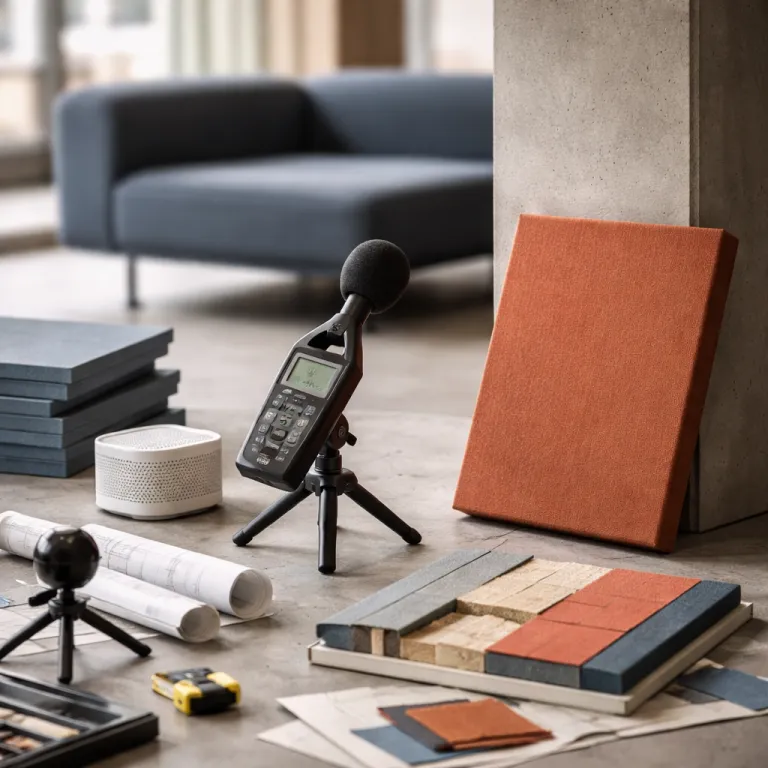
Once acoustic zones are defined, the next layer of coworking hotel design is material selection that actually changes sound behaviour rather than just looking soft. Carpets with dense underlay, heavy curtains, upholstered seating and acoustic wall panels all reduce reverberation time, but their impact depends on coverage and placement across the office space and shared office areas. Plants help psychologically and scatter some sound, yet they do not replace proper acoustic absorption in a busy hotel lobby or cafe.
The most under used lever in hotel coworking acoustics is the ceiling, especially in high volume lobbies and space coworking conversions. A hard plaster or concrete ceiling reflects sound across the entire space, so consider acoustic baffles, rafts or perforated gypsum with acoustic backing to absorb mid and high frequencies where human speech dominates. When you retrofit an existing hotel, focus first on the ceiling above focus work zones and meeting rooms, because each square metre of treated ceiling often delivers more acoustic benefit than another decorative wall panel.
Material marketing often over promises, so ask suppliers for absorption coefficients and test small areas before rolling out across all working spaces. Combine smart interior choices with sustainable specifications, using recycled content panels, low VOC finishes and energy efficient lighting to align your coworking space with eco friendly lodging expectations and responsible business travel policies. In a space hotel context or a soho house style members club, the goal is the same ; a coherent interior design language where every surface, from the hoxton inspired banquette to the soho works style desk cluster, contributes measurably to acoustic comfort and not just to Instagram aesthetics.
Call booths, meeting rooms and the real cost of retrofitting a hotel coworking floor
Call booths are where many hotel coworking projects fail, because poor ventilation and bad placement quickly turn them into storage closets instead of productive working space. Cheap prefabricated booths often lack silent ventilation fans, so users overheat within minutes and avoid them, which pushes calls back into the open coworking spaces and undermines your acoustic zoning. When you specify call booths for a coworking office or shared workspace, insist on low noise fans, adequate air changes and lighting that feels like a small private office rather than a phone box.
Placement matters as much as product choice, so avoid lining call booths along the noisiest cafe wall or directly in the visual centre of the lounge. Tuck them near circulation routes between the lobby and meeting rooms, where short calls feel natural and users do not feel on display to the entire hotel. For enclosed meeting rooms, invest in solid doors with drop seals, double glazing and proper acoustic insulation, because glass boxes without mass will leak every word of a confidential business meeting into adjacent working spaces.
Retrofit budgets for a typical 200 room urban hotel vary widely, but three bands help asset managers plan. A light intervention might cost the equivalent of a few hundred euros per square metre, focusing on furniture, carpets and minor acoustic panels to upgrade an existing coworking space or lounge. Medium to heavy interventions, including new ceilings, reconfigured space design, added private offices and purpose built coworking spaces, can climb much higher per square metre, yet they unlock new revenue streams from memberships, corporate office space partnerships and long stay digital nomads who treat the property as their primary place of work.
Measuring, avoiding classic mistakes and scaling hotel coworking networks
Before commissioning a full redesign, every hotel team should audit current lobby acoustics using a simple phone based decibel meter. Walk the space at peak times, log readings in different zones and compare them to the 55–65 dB focus target, the 65–72 dB collaboration band and the sub 50 dB goal for call booths and quiet rooms. This quick measurement protocol gives asset managers and innovation leaders hard data to justify investment in coworking hotel design rather than relying on vague complaints about noise.
Certain mistakes repeat across hotels that rush into hotel coworking without a clear acoustic strategy. Open atrium lobbies become echo chambers where every coffee grinder and suitcase wheel amplifies, while glass walled meeting rooms without acoustic mass leak sound into focus zones and undermine the promise of a professional office. Cafe noise often bleeds directly into the quietest working space because bar counters sit back to back with coworking desks, so use layout, partitions and ceiling treatments to separate these functions in both plan and section.
As portfolios scale, owners must decide whether to plug into an existing coworking network or build their own hybrid hospitality platform. A detailed analysis of whether to join a large location partner network or develop an in house coworking brand can guide decisions on pricing, branding and shared workspace standards across multiple hotels. Whatever the route, the properties that win will be those where the lobby table, the outlet, the espresso and the natural light finally align, and where the acoustic comfort quietly signals to remote workers that this is not just another noisy lounge but a serious place to work.
Operational playbook for hotel teams: from media narrative to daily coworking reality
Media coverage of coworking in hotels often focuses on lifestyle imagery, yet operational excellence is what keeps remote workers and business travelers coming back. Hotel owners, designers and operators need a shared vocabulary around coworking office performance, including occupancy by zone, average working session length and revenue per seat across different spaces. When teams track these KPI alongside guest satisfaction, they can adjust interior layouts, meeting room allocation and cafe service rhythms to support both work and leisure.
Staff training is as critical as space design, because a well tuned coworking space hotel fails if the équipe treats laptop users as loiterers rather than valued guests. Front desk and cafe teams should understand the offer structure for day passes, memberships and meeting rooms, and be able to explain where quiet working spaces, shared office tables and private offices are located. Clear signage, intuitive wayfinding and a simple digital booking layer help remote workers move between coworking spaces, lounge seating and formal office space without friction.
For corporate clients, HR and real estate leaders now view hotel coworking as an extension of their distributed office network, especially for teams on frequent business travel. They expect reliable interior design standards, predictable acoustic comfort and access to shared workspace amenities such as printing, lockers and secure Wi Fi across multiple hotels in a region. As hybrid hospitality matures, the properties that align media storytelling, operational discipline and rigorous coworking hotel design will be the ones that convert occasional laptop users into long term, high value members of their working community.
FAQ
What is a coworking hotel and who uses it ?
What is a coworking hotel? A hotel offering shared workspaces. These spaces are used by remote workers, digital nomads and business travelers who need reliable working space with professional amenities. Hotels also attract local companies that treat the property as a flexible office extension for their teams.
Why are hotels adding coworking spaces to their lobbies ?
Why are hotels adding coworking spaces? To attract remote workers and increase revenue. By transforming underused areas into coworking space and shared workspace zones, hotels diversify income beyond rooms and events. This strategy also improves daytime utilisation of cafes, lounges and meeting rooms that previously sat half empty.
Which amenities define a serious hotel coworking offer ?
What amenities do coworking hotels offer? High-speed internet, meeting rooms, and flexible workspaces. In practice, serious coworking hotel design also includes abundant power outlets, ergonomic seating, quiet call booths, printing, lockers and good coffee. Clear zoning between focus work, collaboration and social areas ensures that both short business meetings and long working sessions feel comfortable.
How can a hotel measure whether its lobby works as a coworking space ?
Hotel teams can start with a simple acoustic and usage audit before any major redesign. Use a phone based decibel meter to check whether focus zones stay near 55–65 dB and collaboration areas around 65–72 dB during peak times. Combine these readings with occupancy counts and guest feedback to decide whether to adjust layout, materials or staffing to support more productive work.
What are the most common design mistakes in hotel coworking projects ?
Frequent mistakes include open atrium lobbies that create echo, glass meeting rooms without acoustic mass and call booths with poor ventilation that nobody uses. Placing noisy cafe counters directly beside quiet working spaces is another recurring error that undermines guest concentration. Avoiding these pitfalls and investing in ceilings, partitions and clear zoning usually delivers a better coworking office experience and stronger daytime revenue.