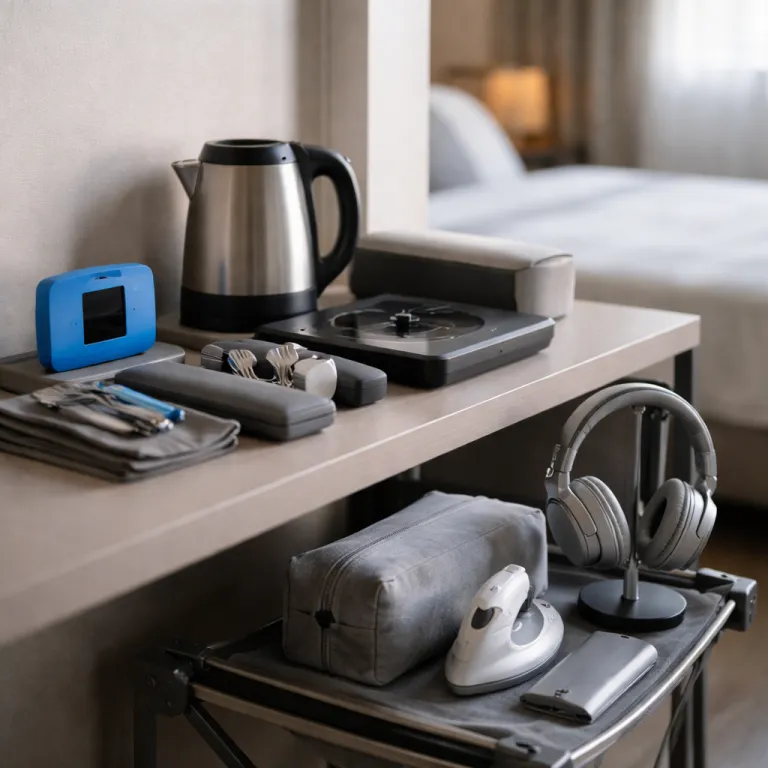
From lobby sofas to long-stay strategy: defining hotel coworking for remote work
Hotel remote work is no longer a side hustle for the lobby sofa. For exploitants hôteliers and asset managers, it is a structural shift where the same square metres must serve sleep, working, and community in the same week. The properties that treat coworking in hotels as a core product, not a décor upgrade, are already reshaping guest experience and revenue mix.
Hotel coworking means packaging a credible desk, power, light, and bandwidth into a service that competes with dedicated coworking spaces. It also means aligning booking logic, operations manager routines, and F&B flows so that a guest can work in the hotel for 28 days without feeling like a long-term intruder. In this frame, the lobby is not a waiting room but the main content layer of a new work hotel proposition.
Short-term rentals have dominated digital nomad stays above 30 nights by default, not by quality. In a 2023 Skift Research snapshot, for example, extended-stay and serviced apartment products captured well over half of stays longer than 14 nights in key European cities. Hotels can win back those days if they design for remote work first and overnight stay second, especially in visa cluster markets like Spain or Portugal. That requires a clear definition of what hotel remote work is for your brand, your hotels, and your target careers segments, from tech specialists to consulting teams.
Why long-stay nomads choose apartments by default and how hotels can respond
Most bleisure trips still land in the 2 to 3 nights range, but the emerging nomad segment quietly books 28 nights or more and rarely chooses a traditional hotel. These guests are working full time, often fully remote, and they optimise for a stable desk, predictable noise levels, and frictionless laundry before they think about loyalty points. Long-stay apartments and short-term rentals have captured them because hotels careers teams and revenue leaders have not yet built a coherent work hotel product.
Selina, Zoku, CitizenM long-stay, Locke, and Stay Aparthotels have moved first by blending serviced apartment hardware with coworking software. Zoku, for instance, has reported that its hybrid “loft” rooms can reach long-stay occupancy levels 10 to 15 percentage points higher than comparable transient inventory in some markets, while Selina has publicly highlighted that community-led coworking memberships help drive repeat stays and ancillary spend. They sell weekly and monthly passes that bundle workspace access, community events, and simple booking flows that feel closer to online jobs platforms than to legacy GDS screens. Traditional hotels can compete if they stop rebadging extended-stay rates and instead design a nomad package where the operations manager, HR partner, and sales specialist all understand the working patterns behind a 60-night stay.
For asset owners, the question is not whether to host remote workers, but how to price and program them. A 30-night package that includes laundry, a kitchenette or meal plan, and 24/7 workspace access can lift total revenue per available room even if the nightly rate is lower. In internal case reviews, operators often see F&B revenue per occupied room rise by 15–25% when long-stay guests are actively using on-site workspaces instead of external cafés. To position this credibly, many brands are shifting language away from the coworking label toward sharper workspitality framing, as analysed in depth in this workspitality strategy piece.
Designing hotel coworking concepts that work for 60-night stays
Design intent is where hotel remote work either becomes a competitive advantage or a daily complaint in the guest inbox. A credible coworking concept in hotels starts with zoning: quiet focus areas, collaborative tables, and phone booths, all within 30 to 50 metres of strong coffee and natural light. The check-in desk should feel like a concierge for working guests, not a border control point that questions why someone is here every day without a room key.
For long-stay nomads, the difference between a hotel and a home is often the micro details. A stable ergonomic desk in the room, a second monitor on request, and guaranteed upload speeds turn a generic room into a remote office that supports real careers in software, design, or consulting. One operations manager at a hybrid hospitality brand summarised it simply: “When we added proper task chairs and clear Wi‑Fi guarantees, our average length of stay for remote workers jumped from two weeks to just over three.” Public spaces then become the social layer, where a specialist in product management can meet a marketing manager over breakfast without feeling they are trespassing on a transient travel crowd.
Service design must also address the mental load of a 60-night stay. That means predictable laundry cycles, a simple meal plan or kitchenette access, and community onboarding that feels more like moving into a neighbourhood than checking into a hotel. Media-led coworking programming, as explored in analyses of how media coworking in hotels is reshaping hospitality workspaces on specialised hybrid hospitality platforms, can turn anonymous lobbies into branded hubs for remote work communities.
Revenue, distribution, and data: when long-stay remote packages pay
From a revenue perspective, hotel remote work is a utilisation play, not just a rate play. A 28-night package will almost always erode the average daily rate, but it can increase total revenue per square metre when it drives workspace occupancy during shoulder days and off-peak seasons. In internal benchmarking shared at industry conferences, some hybrid hospitality operators have cited 5–10 percentage point uplifts in overall occupancy during low season after launching targeted long-stay remote work offers. The key is to model when a long-stay nomad displaces a higher-yield transient guest and when they monetise underused inventory like meeting rooms and underperforming F&B outlets.
Distribution for long-stay working guests sits outside classic corporate RFP channels. NomadList, Outsite, and partner networks from brands like Selina act as both marketing and booking funnels, while visa consultants and relocation specialists quietly influence where remote workers land for their first month in a new city. Hotels careers teams should treat these intermediaries as B2B partners, with clear privacy policy terms, simple online booking journeys, and content that surfaces the main content about workspace, not just the pool.
Data discipline is non negotiable if you want to scale this segment. Track length of stay distribution, extension rate by week, F&B revenue per night, and conversion from day-pass users to long-stay guests at checkout. Operators that monitor these metrics often see extension rates of 15–30% on initial 28-night bookings when the work hotel product delivers on its promise. Weekly reviews between the operations manager, commercial director, and HR business partner can then adjust staffing, programming, and pricing before issues show up in public reviews, while technology roadmaps for hybrid spaces are explored in resources such as the hybrid space technology decision guides used by innovation leaders.
Talent, operations, and the rise of fully remote hotel roles
The shift toward hotel remote work is not only about guests; it is also reshaping hotel jobs and operations. Remote reservation agents, online booking specialists, and fully remote customer care teams now sit behind many hotel websites and central reservation offices. This trend expands the talent pool beyond traditional hotel markets and allows hotels in high-cost cities like San Francisco or Salt Lake City to tap skilled teams in other states.
Several employers illustrate how hospitality careers are evolving. Destination Knot positions itself as a professional travel planning company offering remote hotel booking agent roles, while Marriott International has opened more than one hundred fifty remote work opportunities across its hotels careers ecosystem in recent years, and Allegro Resort Marketing Corporation recruits remote reservation sales agents for Barceló Hotel Group. These figures are directional rather than exhaustive, but they signal a clear shift toward distributed teams. As one industry FAQ summarises it clearly: “Customer service experience and reliable internet are commonly required.”
For hotel managers and HR leaders, this creates both flexibility and new responsibilities. Remote working contracts require robust privacy policy frameworks, clear navigation in internal systems, and training that prepares teams to handle complex work hotel enquiries from guests planning multi-week stays. Weekly check-ins, transparent performance metrics, and pathways from remote desk roles into on-property operations manager positions can turn these jobs into sustainable careers rather than temporary gigs.
FAQ
What qualifications are needed for remote hotel jobs linked to coworking offers?
Most remote hotel jobs that support coworking and long-stay guests require strong customer service experience, solid written communication skills, and a reliable high-speed internet connection. Familiarity with hotel booking systems and basic revenue concepts is often needed to handle complex multi-week itineraries. Some employers also value prior experience with remote working tools such as video conferencing and shared CRM platforms.
How can hotels design workspaces that appeal to long-stay remote workers?
Hotels should prioritise ergonomic desks, abundant power outlets, and guaranteed connectivity in both rooms and public areas. Quiet zones, phone booths, and 24/7 access to at least one workspace help align with the working hours of international teams. Layering in community events and light programming turns these spaces from simple seating into a meaningful work hotel experience.
Do remote hotel roles tend to be fully remote or hybrid?
Many reservation and booking specialist positions in hospitality are now fully remote, especially those based in centralised contact centres. Some roles remain hybrid, with a mix of home working days and on-property shifts for training or peak periods. Employers typically specify the arrangement clearly in hotels careers postings so candidates can align expectations.
What data should revenue teams track for long-stay nomad packages?
Revenue and commercial directors should monitor length of stay distribution, extension rates by week, and total revenue per occupied room, including workspace and F&B spend. Tracking conversion from day-pass or coworking users into overnight stays reveals whether the coworking product feeds the hotel side. Comparing these KPIs with traditional transient segments helps determine when long-stay packages are accretive rather than cannibalising.
How do privacy and compliance affect remote hotel operations teams?
Remote teams handling guest data must operate under strict privacy policy standards that match or exceed on-property protocols. This includes secure access to reservation systems, clear rules about working environments, and regular audits of data handling practices. Hotels that invest early in compliance frameworks can scale remote operations with less risk and stronger guest trust.