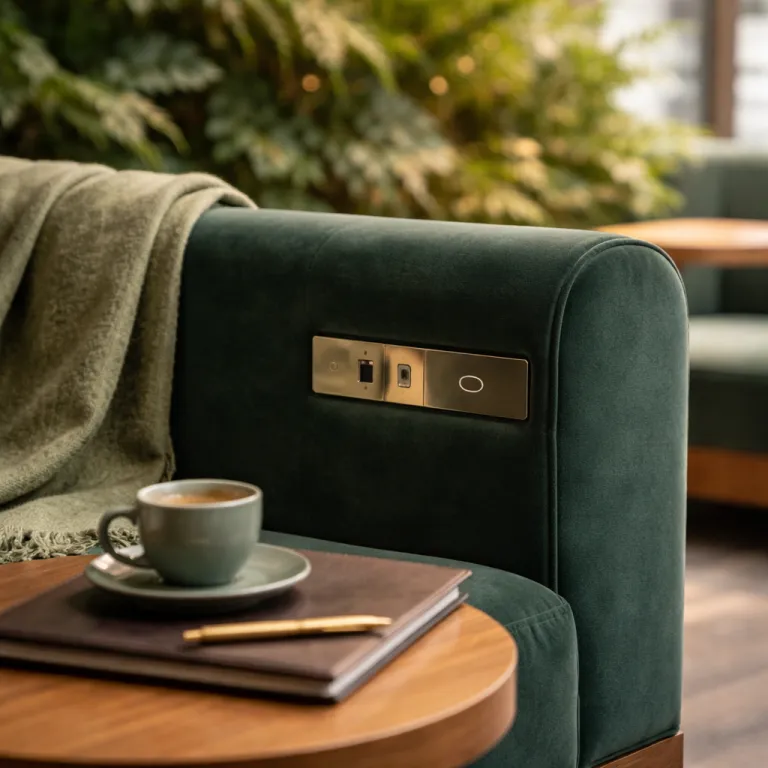
Lobby as living office: why workspitality beats bolt‑on coworking
The most valuable hotel lobby workspace today is not a branded coworking room hidden behind frosted glass. It is the visible, porous lobby area where a guest can open a laptop, a local professional can buy a coffee, and both feel that the hotel team genuinely expects them to work there. When hotels provide this kind of open work hotel experience, they turn underused square metres into a daily revenue engine instead of a decorative transit zone.
Industry analysts now describe this convergence as workspitality, which means the lobby, the guest room, the conference room and even the dining area are all treated as extensions of the same hospitality promise rather than separate office products. Leading coworking environments are already “borrowing heavily from hospitality principles,” indicating the model is flowing hospitality to office, not the other way round. For general managers and asset directors, the strategic shift is to stop saying we run a coworking space inside the hotel and start saying we extend hospitality to the desk, the call and the quick team sync all day.
That reframing has operational consequences, because the front of house équipe must own lobby coworking rather than a separate coworking manager bolted on as an afterthought. Reception, concierge and restaurant and bar staff become the visible hosts of the hotel lobby workspace, greeting remote workers as confidently as they greet long stay guests in hotel rooms. When this happens consistently across days and events, the lobby stops being a waiting room and becomes a flexible office area that locals and remote working teams treat as part of their regular work spaces.
Data from recent hospitality trend reports shows that a majority of hotels offering coworking spaces have seen a double digit increase in lobby workspace usage, which confirms that the demand is not theoretical. In a 2023 synthesis of Hotel Management Magazine survey coverage and a Hospitality Trends Report sample of midscale and upscale properties in Europe and North America, around sixty percent of hotels offering some form of coworking space had already reconfigured at least part of their lobby into work friendly areas. The combined dataset drew on approximately 220 hotels across the United Kingdom, France, Germany, Spain, the United States and Canada, using self reported operator surveys and lobby occupancy counts collected over a twelve month period.
Another data point from the same combined dataset shows lobby workspace usage up by roughly thirty five percent once Wi‑Fi, power and comfortable seating are deliberately planned rather than left to chance. In the Hotel Management Magazine hybrid hospitality feature (2022) and the Hospitality Trends Report 2023 hybrid hospitality chapter, operators reported baseline lobby usage, then tracked changes after redesigning zones, adding power outlets and upgrading connectivity, with results averaged across properties to avoid single case bias.
These numbers matter for vice president level leaders and owners who still see the lobby mainly as a check in corridor rather than a monetisable work hotel platform. When a hotel lobby is designed as a living office, every day room, every guest room and every conference room can be priced and packaged differently for remote workers and local companies. The main event is no longer only the evening banquet or the quarterly conference; it is the steady flow of day passes, coffee receipts and small team meetings that fill the hotel lobbies from morning to late afternoon.
For human resources directors and corporate real estate teams, this shift also changes how they view hotel rooms and day rooms in their remote working policies. Instead of booking a traditional office meeting room across town, they can reserve a modern room or an event space in a nearby hotel and give employees a hospitality grade work experience. That is why EHL Hospitality Insights observes that hotels offer community, wellness and service quality that pure play coworking rarely matches, and why companies now evaluate hotel lobby workspace options alongside conventional office leases.
Designing the lobby as a primary workspace, not a leftover area
Mapping flows and zoning for real work
Once leadership accepts that the lobby is a core work space, design and space planning must follow with the same rigour usually reserved for conference facilities. The starting point is to map flows between entrance, reception, elevators, restaurant and bar zones and the main event space, then decide where focused work, informal meetings and social community moments should sit. A well planned hotel lobby workspace will separate noisy transit from quiet work areas without killing the visual energy that makes hotel lobbies attractive in the first place.
For example, a bank of modern room style focus booths can sit behind a semi open screen, giving remote workers acoustic protection while still feeling part of the lobby community. Closer to the bar and dining area, long communal tables with integrated power outlets can host short bursts of work, quick laptop sessions between meetings and impromptu project reviews. Softer lounge zones remain essential, but they should be treated as intentional work spaces with side tables at the right height, not just decorative seating that looks good in photos yet fails during a real day of office work.
One European upscale operator interviewed for the Hospitality Trends Report 2023 described how a 300 square metre lobby in Paris was re‑zoned into three workspitality areas: a quiet focus strip, a social collaboration zone and a café powered community table. Within six months, average weekday lobby occupancy during working hours rose from 25 % to just over 60 %, while food and beverage revenue from lobby guests and non guests increased by 28 %, illustrating how deliberate zoning can unlock both utilisation and spend.
Lighting, acoustics and service choreography
Lighting and acoustics are where many hotels fail their remote working guests, even when the furniture looks modern and flexible. Task lighting at each seat, acoustic panels above key areas and carpets that absorb noise can transform a visually impressive lobby into a genuinely usable coworking space. When you plan the conference room cluster, the guest room corridors and the lobby coworking zones together, you can create a gradient of noise and privacy that supports everything from confidential calls to large event space gatherings.
Service choreography is the final design layer, because even the best planned spaces fail if staff do not know how to host work. Front desk teams should be trained to explain where guests can work well in the lobby, which areas are quieter, and how to book a day room or guest room for confidential calls. Content on innovative hotel entertainment services can also be aligned with this narrative, positioning the property as a place where work and leisure events coexist smoothly in the same interconnected spaces.
Food, beverage and revenue focused basics
Food and beverage strategy must also be redesigned around the hotel lobby workspace, not just around breakfast and evening dining peaks. Remote workers and local professionals buy coffee, light lunches and snacks across the whole day, which means the bar and café need a menu, staffing pattern and POS flow that support continuous low intensity activity. This is where workspitality differs from classic coworking; you are not selling square metres by the hour, you are curating a full day hospitality experience that happens to involve a lot of work.
For general managers, the design brief should explicitly state that the lobby is a revenue generating office area, not a cost centre for décor. That means specifying enough power outlets per seat, ensuring Wi‑Fi coverage is as strong in the lobby coworking zone as in any hotel room, and planning storage for portable conference equipment that can quickly turn a quiet corner into a pop up conference room. When hotels provide these basics consistently, they earn the right to charge for day passes, premium seating or bundled packages that include coffee, printing and access to private rooms.
From day passes to hospitality priced work experiences
Moving beyond generic coworking day passes
Most hotel lobby workspace strategies stall when pricing is copied from generic coworking day passes instead of being rooted in hospitality economics. A flat fee for access to a coworking space may look simple, yet it ignores the value of service touchpoints, food and beverage revenue and the flexibility of hotel rooms and day rooms. Workspitality pricing treats the lobby, the conference room and the guest room as different tiers of the same experience, each with its own margin logic.
One effective model is to anchor pricing around minimum spend in restaurant and bar outlets rather than pure seat rental, especially in high traffic hotel lobbies. A remote worker might pay a modest access fee that includes premium coffee, Wi‑Fi and a guaranteed seat in a quiet area, while teams booking an event space or conference room pay a higher rate that bundles catering and technical support. This approach aligns with how hotels provide value in other segments, where the main event is not the bare room but the full service package around it.
Corporate contracts and bundled work hotel offers
For corporate clients, you can structure monthly allocations of day passes, meeting rooms and occasional hotel room upgrades into a single work hotel contract. Human resources and real estate directors appreciate the ability to give employees flexible access to multiple hotels and coworking spaces without managing dozens of small invoices. When these contracts include clear rules for remote working, such as how often staff can use a day room or which areas of the lobby are reserved for quiet work, adoption tends to be higher and satisfaction scores improve.
A midscale chain in Germany quoted in Hotel Management Magazine’s 2022 hybrid hospitality coverage reported that after introducing a bundled workspitality offer for three corporate clients, lobby day pass usage tripled within four months. At the same time, average daily food and beverage spend per remote worker rose from roughly 11 units of local currency to just under 19, while guest satisfaction scores for “places to work in the hotel” improved by 15 percentage points on internal surveys.
Technology, KPIs and a simple case example
Technology should support this pricing sophistication without adding friction at the front desk. A simple booking layer that lets guests reserve a lobby seat, a conference room or a modern room for calls, and pay for bundled services in one transaction, will feel natural to both hotel guests and local professionals. This is where curated amenities lists for modern hospitality spaces become a commercial tool, because they help you articulate why a hotel lobby workspace is worth more than a generic office chair in a suburban coworking space.
Revenue management teams need to integrate lobby coworking data into their existing KPI dashboards, tracking occupancy of work areas, food and beverage spend per remote worker and conversion from casual users to repeat community members. A typical target set might include Wi‑Fi uptime above 99 %, average food and beverage spend of 15–25 units of local currency per day pass and at least 30 % of lobby workers returning weekly. Over time, the hotel can treat the lobby workspace as a dynamic asset, flexing between office mode, event mode and pure social mode depending on day of week and season.
For operators who want a deeper framework, independent analysis on how hotel based coworking spaces elevate work, revenue and guest experience shows that the most profitable models treat workspitality as a core brand pillar. They do not sell access to a random table; they sell a coherent experience that spans the hotel lobby, the guest room, the conference room and the restaurant and bar areas, with pricing that reflects the full value of hospitality. That is the mindset shift that separates pioneers from properties that simply place a few extra sockets near the bar and hope remote workers will appear.
Operational ownership: putting front of house in charge of workspitality
Orientation, permission and problem solving
Design and pricing only work when operations embrace the hotel lobby workspace as part of daily life, not a side project. The front of house équipe must feel that hosting work is as central to their role as handling check in, because remote workers and local professionals read every micro interaction as a signal of whether they are truly welcome. When a receptionist smiles at someone opening a laptop in the lobby instead of asking for a room number, the message is clear.
Training should focus on three operational pillars: orientation, permission and problem solving across all lobby areas and adjacent rooms. Orientation means staff can confidently point out which spaces are best for focused work, which areas are better for calls and where the nearest conference room or event space can be booked at short notice. Permission means staff proactively reassure non guests that they are allowed to work in the hotel lobby workspace as long as they respect basic etiquette and, where relevant, minimum spend rules.
Problem solving is where workspitality becomes visible, because issues like noise, power outages or Wi‑Fi glitches affect remote working more than leisure stays. Staff should know how to relocate a guest from a noisy lobby area to a quieter modern room or day room, how to offer an alternative conference room when a call overruns and how to coordinate with restaurant and bar teams when a small group suddenly needs catering. When hotels provide this level of responsive service, remote workers quickly become loyal community members who return multiple days per month.
Owning corporate relationships and performance data
Communication with corporate clients also needs an operational owner, often a sales manager or vice president level sponsor who understands both office real estate language and hospitality realities. They can translate company needs into concrete packages that combine lobby coworking access, meeting rooms, guest room allocations and event space bookings across the year. This is where hybrid work models and flexible workspaces stop being buzzwords and become structured contracts with clear KPIs and measurable results.
To keep the concept aligned with broader guest experience goals, innovation leaders should integrate lobby workspace metrics into regular performance reviews. That might include tracking how many non guests use the lobby coworking space each day, how many hotel rooms are sold as day rooms for remote workers and how often conference room bookings originate from people who first used the lobby casually. Over time, these data points help asset managers decide whether to reallocate more area from low yield retail corners to higher yield work spaces.
Finally, communication to guests and locals must be explicit yet understated, signalling that the hotel lobby workspace is a natural part of the property’s offer. Clear signage, website copy and media content about modern hotel amenities can explain that people can work well in the lobby, book day passes or reserve specific rooms without making the place feel like a corporate office. When all these elements align, the hotel becomes a genuine community hub where work, dining, events and stays coexist in a single, coherent ecosystem.
Key figures on hotel lobby workspaces and coworking in hotels
- Around 60 % of hotels offering coworking spaces have reconfigured part of their lobby into work friendly areas, according to Hotel Management Magazine’s 2022 coverage of hybrid hospitality surveys and a 2023 Hospitality Trends Report sample, showing that lobby coworking has moved into the mainstream of space planning.
- Properties that deliberately design hotel lobby workspace with Wi‑Fi, power and comfortable seating have reported a 35 % increase in lobby workspace usage, based on aggregated data from the same Hospitality Trends Report and internal operator benchmarks collected between 2021 and 2023.
- Since the mid 2010s, the share of hotels providing some form of coworking space or lobby workspace has grown steadily, with trend milestones around the mid 2010s, early 2020s and mid 2020s marking emergence, widespread adoption and near standard practice.
- Service models that invite non guests to work in hotel lobbies, often with minimum café spend or light day passes, have helped hotels utilise previously under monetised areas while enhancing perceived community value.
These figures draw on published articles in Hotel Management Magazine, a 2023 Hospitality Trends Report focused on hybrid hospitality and anonymised operator case studies across Europe and North America, combining survey responses, lobby occupancy counts and food and beverage revenue analysis.
Key questions about hotel lobby workspaces and coworking in hotels
Can non guests work in hotel lobbies ?
Yes, many hotels allow non guests to use lobby workspaces. Policies vary by hotel and by lobby area, so operators should define clear rules and communicate them at reception and online. For asset managers, welcoming local professionals into the hotel lobby workspace can turn a static area into a dynamic community hub that feeds future room, conference and event bookings.
Are hotel lobby workspaces free ?
Policies vary; some hotel lobby workspaces are free to use, while others require a purchase at the café or a formal fee. From a revenue management perspective, tying access to minimum spend in restaurant and bar outlets or to structured day passes often yields better results than pure free access. Clear signage in the lobby and transparent offers for day rooms, conference rooms and coworking spaces help avoid confusion for both guests and remote workers.
Do hotel lobbies offer free Wi Fi ?
Most hotels provide free Wi‑Fi in the lobby, but the quality and stability of the connection can differ significantly between properties. For a serious hotel lobby workspace strategy, Wi‑Fi in all work areas must match or exceed the standard in any modern office space, with enough capacity for video calls and multiple devices. General managers should treat Wi‑Fi uptime in the lobby coworking zone as a core service KPI, not a back of house technical detail.
What should remote workers check before using a hotel lobby workspace ?
Remote workers should check hotel policies on non guest access, confirm Wi‑Fi availability and understand whether a purchase or fee is required. Arriving during off peak hours often improves the chance of finding a good seat in the lobby or adjacent areas. Buying from the hotel café or bar is both courteous and strategically important, because food and beverage revenue is what makes lobby coworking sustainable for hotels.
How do hybrid work models influence hotel lobby workspace design ?
Hybrid work models increase demand for flexible workspaces that sit between home and traditional office, which positions the hotel lobby workspace as a natural third place. Hotels that design their lobby, conference room clusters and guest room inventory with remote working in mind can capture recurring weekday demand from local companies and individual professionals. This requires coordinated planning across design, operations and pricing so that lobby areas, rooms and event spaces all support workspitality rather than treating work as an afterthought.
References
- Elkay Interior Systems – Hospitality design trends shaping the hotel industry (2022 report on lobby, food and beverage and flexible workspace design).
- The Cannon – Coworking environments and the influence of hospitality principles (industry article on hospitality inspired coworking models).
- EHL Hospitality Insights – What hotel workspaces can offer compared with pure play coworking (analysis of community, wellness and service quality in hotel based workspaces, including commentary on lobby coworking and workspitality).
- Hotel Management Magazine – Hybrid hospitality and coworking in hotels (editorial coverage of lobby workspace adoption, utilisation metrics and operator case studies, including quotes from European and North American midscale and upscale brands).
- Hospitality Trends Report 2023 – Hybrid hospitality and hotel coworking benchmarks (quantitative study of lobby workspace design, usage and revenue performance in Europe and North America, based on approximately 220 hotel responses and follow up interviews with operations leaders).