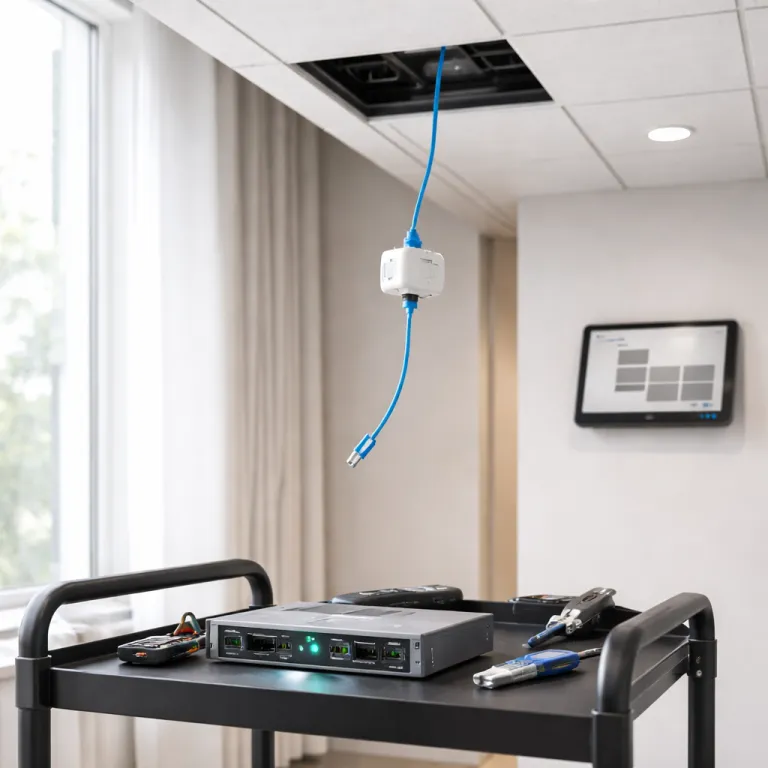
Why hybrid hospitality spaces fail without a connected tech backbone
Hybrid hospitality spaces promise to merge lodging, working, and social life. They only deliver when the invisible plumbing between the hotel systems and the workspace technology stack actually works in real time. When that connection fails, even the most beautiful lobby office space becomes an operational liability.
Hybrid hospitality in a modern hotel now depends on a tightly orchestrated network of platforms that treat rooms, desks, meeting rooms, and restaurant tables as one coherent inventory. The core stack spans the PMS, a workspace booking engine, a member CRM, Wi‑Fi with a captive portal, occupancy sensors, and POS links for F&B and ancillary work. Without this integrated design, remote work guests, digital nomads, and local corporate travelers experience friction at every step, from search to payment.
Hybrid hospitality spaces emerged as a response to changing work trends and the rise of remote work, with around 60% of travelers now seeking work‑leisure accommodations according to IHG Research’s “The Future of Work and Travel” study (2021, directional figure). Hospitality leaders saw that hotel blends of rooms, flexible workspaces, and social areas could increase estate utilization and diversify revenue. The challenge for the hospitality industry is no longer whether the concept is real, but whether the technology stack can scale beyond a pilot floor or a single managing director champion.
Core components of a workspitality technology stack in spaces hotels
A resilient hybrid hospitality stack starts with a hotel‑aware workspace booking platform that can treat desks and meeting rooms like transient inventory. That platform must connect to the PMS so that in‑house travelers, local members, and remote workers can all be recognized as one guest profile across work and stay. When the PMS connector is weak, you see double‑booked rooms, duplicate member records, and office guests who cannot charge coffee to their account.
Next comes the member CRM, which should hold the full bio of each user, their work preferences, and their hybrid hospitality usage across multiple hotels in the same real estate portfolio. This CRM must talk to the Wi‑Fi network captive portal so that a guest who booked a private office space or a hot desk does not re‑authenticate every fifteen minutes. A well‑integrated network also allows occupancy sensors to feed real‑time data into dashboards that show which working spaces and restaurant zones are actually used by remote work guests and local teams.
On the front line, POS integration is what turns experience‑driven design into measurable hospitality revenue. When a guest books a meeting room through a platform like Spacebring and orders catering from the hotel restaurant and bar, the billing should flow into one invoice, not three separate systems. For Tech and Innovation Leads, this is where a detailed data flow diagram from booking to check‑in to billing becomes the most valuable office tool in the entire hybrid hospitality project, and a key reference when planning coworking hotels for events and meetings in hospitality.
Vendor landscape: from accor x wojo to zoku amsterdam style hybrids
The vendor landscape for hybrid hospitality spaces is fragmenting between hotel‑native platforms and coworking‑born systems. Large hospitality groups such as Accor, with its Wojo network of working spaces, are building stacks that treat the hotel and the office as one continuous experience. Boutique pioneers like Zoku and the flagship Zoku Amsterdam property show how a hotel can be designed from day one as a hybrid hospitality hub for travelers, locals, and digital nomads.
When evaluating vendors, Tech Leads should map which platforms integrate out of the box with Opera, Mews, or Cloudbeds, and which require custom APIs. Some workspace platforms now advertise hotel‑aware features, but the real test is whether they can handle day passes, recurring memberships, and meeting packages while syncing with room inventory and F&B POS. Investors are already underwriting workspitality into real estate models, as recent EMEA investor debriefs on workspitality as an underwriting input (2022–2023, indicative market commentary) make clear for asset managers and directions immobilières.
For multi‑asset portfolios, the choice is often between a single global platform that supports international expansion and a patchwork of local tools that each solve one problem. A unified stack makes it easier to compare work trends, remote work adoption, and ancillary revenue across hotels in different cities. A fragmented stack may look cheaper on paper but usually hides higher integration costs and weaker data quality for the managing director and the corporate hospitality team.
Designing data flows before buying: from search to billing
Before signing any contract, Tech and Innovation Leads should sketch the full data journey for hybrid hospitality spaces. Start with the search moment, when a traveler, a local freelancer, or a corporate HR team looks for working spaces in a specific hotel or across several hotels in the same estate. Then follow that journey through booking, arrival, Wi‑Fi access, F&B consumption, and final billing.
In a mature hybrid hospitality model, the guest can search for a private office, a shared desk, or a meeting room, see real‑time availability, and book instantly with clear pricing. The PMS receives that booking, creates or updates the guest profile, and shares it with the member CRM, which in turn pre‑authorizes Wi‑Fi access and any relevant privacy policy consents. When the guest arrives, the front desk or a self‑service kiosk recognizes both the room reservation and the workspace booking, while the working office area already knows which desk or office space is assigned.
On the back end, POS systems in restaurants and cafés should tag every transaction as either lodging, F&B, or workspace related, so that real estate owners can track hybrid revenue streams. Occupancy sensors feed utilization data into dashboards that show which flexible workspaces and hybrid hospitality zones are underused or over capacity. This is the level of plumbing required to support serious media coverage of elevating coworking media spaces in hotels and to justify further capital expenditure on design upgrades and technology refresh cycles.
Common failure modes and how to avoid them in hybrid hospitality
Most failed hotel coworking pilots share the same pattern, and it rarely starts with the furniture. The lobby looks great, the design is Instagram‑ready, but the systems behind the hybrid hospitality promise are not aligned. Guests end up working in the bar because the booked desk is double‑assigned, or they abandon the space because Wi‑Fi keeps dropping their remote work session.
One frequent failure mode is the lack of single sign‑on between the member CRM, the Wi‑Fi network, and the booking platform. Day‑pass users are forced to create multiple logins, accept the privacy policy several times, and re‑enter credentials whenever they move between working spaces and restaurant areas. Another is the absence of real‑time sync between the PMS and the workspace platform, which leads to no‑shows that are never billed and to meeting rooms that appear available online while already occupied by local teams.
Tech Leads can pre‑empt these issues by insisting on live integration demos, not just slideware, and by running stress tests with real travelers and local users. They should also define clear SLAs around uptime, data latency, and support response times, especially for Wi‑Fi and access control in private offices. Hybrid hospitality spaces only become credible when the operational plumbing is as carefully engineered as the visible design, and when the managing director can trust the dashboards as much as the lobby vibe.
Cost ranges, ROI logic, and a one page checklist for CFOs
Budget conversations around hybrid hospitality spaces often stall because costs are presented as abstract technology spend. CFOs and asset managers need a clear link between the stack, the estate strategy, and incremental revenue from working spaces and flexible workspaces. A structured view of cost ranges and ROI logic helps Tech Leads secure buy‑in for both pilots and international expansion.
For a 200‑room urban hotel, a workspace booking platform typically charges either per desk, per meeting room, or per venue, with annual SaaS fees that can sit in the low five figures. PMS connectors, member CRM modules, and Wi‑Fi captive portal upgrades add another layer, while occupancy sensors and access control hardware require upfront capital. The business case becomes compelling when you show how hybrid hospitality can lift ancillary revenue by roughly 25 to 45% once clean billing, unified data, and a frictionless member experience are in place, as flexible workspace benchmarks have already demonstrated (Allwork.space, 2022 industry analysis, directional range).
To keep decision‑making sharp, Tech Leads should prepare a one‑page checklist that covers integration with existing hotel systems, data ownership, privacy policy compliance, and support models. That checklist should also flag how the stack supports experience‑driven design, from remote‑work‑friendly layouts to office space zoning that respects private focus areas and social collaboration zones. Hybrid hospitality spaces are no longer an experiment but a real estate strategy, and the right plumbing turns them from a design story into a durable line on the P&L for hotels across the portfolio.
Key statistics shaping hybrid hospitality technology decisions
- Growth in hybrid hospitality spaces has reached roughly 35% since the early phase of the trend, reflecting sustained demand for venues that combine lodging, working, and social areas (Hospitality Net, 2020 trend overview, indicative estimate based on reported pipeline and openings).
- Around 60% of travelers now actively seek accommodations that support both work and leisure, which directly supports investment in hotel blends of rooms, working spaces, and social zones (IHG Research, “The Future of Work and Travel,” 2021, survey‑based insight).
- Flexible workspace operators are expected to grow ancillary revenue by approximately 25 to 45% when their technology stack supports clean billing, unified data, and a seamless member experience, which sets a benchmark for hotels entering hybrid hospitality (Allwork.space, 2022 industry analysis, directional range rather than a guaranteed outcome).
- Hotel technology trend analyses highlight integration across PMS, workspace booking, F&B, and IoT as a defining pain point for Tech and Innovation Leads, making stack interoperability a primary selection criterion for hybrid hospitality projects (Agilysys hospitality tech trends report, 2021, synthesis of operator interviews and product roadmaps).
FAQ about hybrid hospitality spaces and hotel coworking stacks
What are hybrid hospitality spaces in hotels ?
Hybrid hospitality spaces in hotels are environments that intentionally combine lodging, working spaces, and social areas under one operational and technological roof. They allow travelers, locals, and digital nomads to move fluidly between rooms, office‑style zones, and restaurant bars without friction. In practice, they rely on integrated systems so that booking, access, and billing feel like one continuous experience.
Why do many hotel coworking concepts struggle to scale ?
Many hotel coworking concepts struggle because their technology plumbing is fragmented, not because the design is weak. The booking platform often does not talk properly to the PMS, the Wi‑Fi network does not authenticate against the member database, and occupancy sensors sit in a separate dashboard that no one opens. Without integrated data flows, operators cannot manage real‑time availability, clean billing, or consistent guest experiences across multiple hotels.
Which systems are essential in a workspitality technology stack ?
A robust workspitality stack typically includes a workspace booking platform, a PMS connector, a member CRM, Wi‑Fi with a captive portal, occupancy sensors, and POS integration for F&B. These components must be able to share data so that a guest’s full bio, bookings, and spending are visible across the network. When aligned, they support hybrid hospitality models where rooms, desks, and meeting spaces are managed as one inventory.
How should hotel Tech Leads evaluate vendors for hybrid hospitality ?
Hotel Tech Leads should prioritise vendors that offer proven integrations with major PMS platforms such as Opera, Mews, or Cloudbeds. They should request live demonstrations of real‑time data sync, single sign‑on, and unified billing across rooms, working spaces, and restaurant outlets. It is also critical to review data ownership, privacy policy compliance, and the vendor’s roadmap for international expansion across multiple hotels and estates.
What amenities do hybrid hospitality spaces usually offer ?
Hybrid hospitality spaces usually offer coworking areas, communal lounges, and flexible accommodations alongside traditional hotel services. They often include private offices, meeting rooms, and social zones where remote work and informal meetings can happen throughout the day. These amenities are supported by strong Wi‑Fi, thoughtful design, and a technology stack that keeps the experience seamless for both travelers and local users.