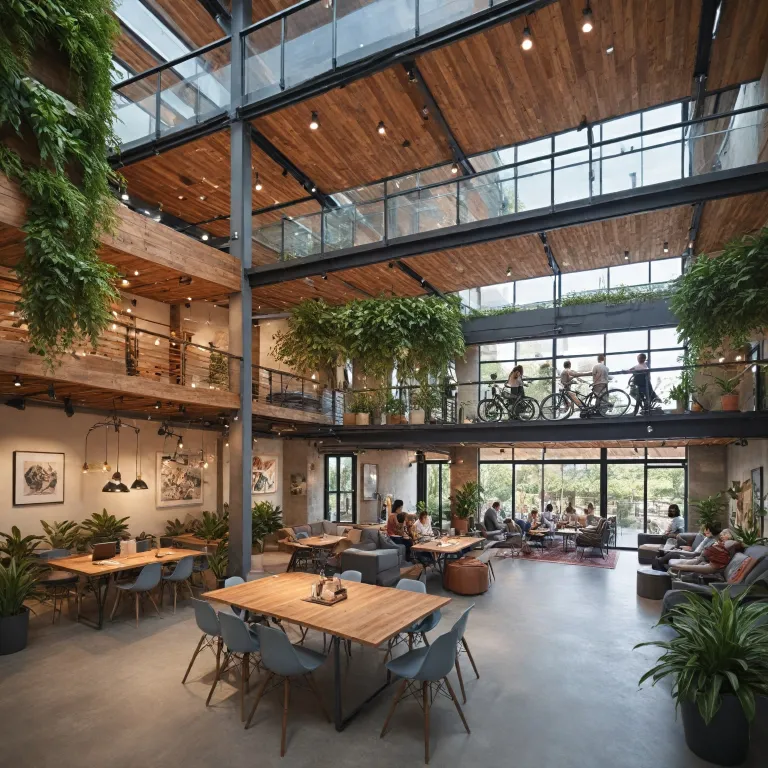
Media coworking in hotels as a catalyst for eco friendly lodging
Media coworking in hotels is emerging as a powerful test bed for eco-friendly lodging solutions that blend work, stay, and sustainable travel. When a hotel integrates flexible workspaces, it can redesign floors, circulation, and services to reduce energy and water consumption while elevating the guest experience. This hybrid model also helps hotel operators and asset directors align hospitality operations with sustainability expectations from corporate clients and eco conscious travelers.
For hotel owners, media coworking spaces concentrate activity in fewer zones, which enables smarter energy management and more sustainable practices. Smart zoning of lighting and HVAC reduces wasted energy in underused corridors, while renewable energy integration becomes easier to justify financially when daytime coworking demand stabilizes occupancy. These eco friendly strategies directly reduce the environmental impact of hotels and support local communities through lower resource extraction and emissions.
Hospitality industry stakeholders are also rethinking water and waste flows inside friendly hotels that host coworking users and overnight guests. Shared pantries, barista counters, and meeting rooms become ideal pilots for water conservation fixtures, filtered tap water bottles stations, and plastic waste reduction programs. By treating coworking guests as long stay users rather than transient visitors, friendly accommodations can track behavior, refine sustainable practices, and communicate clearly how each guest can reduce their carbon footprint during travel.
Designing media coworking floors for energy and water efficiency
Thoughtful floorplate design is central to eco-friendly lodging solutions in media coworking hotels, because it determines how energy, water, and waste are produced and managed. Clustering coworking zones, podcast studios, and meeting rooms around a single technical spine allows hotel engineers to optimize energy distribution and water conservation systems. This approach also supports sustainable practices such as heat recovery ventilation, low flow fixtures, and centralized waste sorting that benefit both coworking users and overnight guests.
In friendly hotels that welcome digital media teams, lighting and acoustics are critical, yet they can be delivered with minimal environmental impact. LED systems with smart controls, daylight sensors, and zoned dimming reduce energy use while maintaining a premium hospitality atmosphere for every guest. When combined with renewable energy sources on or off site, these solutions help sustainable hotels cut their carbon footprint and appeal to companies with strict sustainable travel policies.
Water efficient kitchens and pantries in media coworking areas can significantly reduce water consumption compared with traditional hotel banquet operations. Installing aerated taps, low flow dishwashers, and visible meters encourages eco conscious behavior among guests and staff, while reinforcing the hotel’s sustainability narrative. As one expert guidance notes, “Conserve water and energy during your stay.” This message resonates strongly with coworking members who already value flexible, green work environments and who influence corporate travel choices. For a deeper view on how these hybrid models reshape roles, see this analysis of media coworking careers in hotels.
Operational practices that align coworking, hospitality, and sustainability
Operational excellence is where eco-friendly lodging solutions in media coworking hotels either succeed or fail, especially under the scrutiny of corporate clients and environmental organizations. Daily routines around cleaning, food service, and technical support must integrate sustainable practices without compromising the hospitality experience. This requires cross training teams so that coworking hosts, front office staff, and maintenance crews all understand eco conscious standards and can explain them to any guest.
Housekeeping protocols in friendly accommodations can prioritize green cleaning products, microfibre systems, and reduced linen changes, while coworking zones adopt similar low impact routines. When hotels align these practices, they reduce chemical waste, water use, and plastic waste from single plastics packaging, which strengthens their environmental credentials. Clear signage and digital communication help guests understand how their behavior in shared work lounges, meeting rooms, and vacation rentals style suites can reduce environmental impact.
Food and beverage operations in media coworking hotels are another critical lever for sustainability and support local engagement. By sourcing seasonal food from local producers, limiting single plastics, and offering filtered tap water bottles instead of disposable plastic water bottles, hotels can cut waste and energy use in kitchens. These measures also resonate with sustainable travel policies that prioritize friendly hotels with transparent supply chains and measurable carbon footprint reductions. For governance and role clarity, asset managers can refer to evolving property management job titles in hotel coworking media spaces, which increasingly include sustainability responsibilities.
Reducing plastic waste and single plastics in hybrid hospitality spaces
Media coworking in hotels creates dense, high frequency usage zones where plastic waste can escalate quickly if not carefully managed. Coffee corners, event buffets, and grab and go counters are traditional hotspots for single plastics, from stirrers to lids and individual water bottles. Eco-friendly lodging solutions require a complete redesign of these touchpoints so that friendly hotels can maintain convenience while significantly reducing environmental impact.
Forward looking hospitality industry operators are replacing disposable plastic items with durable, washable alternatives and clear waste sorting stations. When guests and coworking members see attractive, well labeled bins and refillable dispensers, they are more likely to adopt eco friendly habits that reduce waste. These practices also make it easier for hotels to report on sustainability KPIs to third party auditors, corporate clients, and environmental organizations that monitor plastic waste reduction.
Media coworking floors are ideal pilots for eliminating single plastics because user communities are often younger, tech savvy, and receptive to green hotels initiatives. Operators can introduce digital nudges through apps, QR codes, and community boards that explain how each guest can support local circular economy partners. Over time, these behavioral insights can be extended to the rest of the hotel, vacation rentals style units, and meeting spaces, creating a consistent eco conscious culture. By aligning coworking amenities with broader sustainable hotels strategies, asset managers can show tangible progress on eco, water, and waste metrics that matter to investors.
Leveraging technology and data to optimize eco-friendly lodging solutions
Technology is a decisive enabler for eco-friendly lodging solutions in media coworking hotels, because it connects real time data with operational decisions. Energy management software, smart thermostats, and occupancy sensors allow hotels to modulate heating, cooling, and lighting according to actual coworking and guest usage. This precision reduces unnecessary energy consumption, supports renewable energy integration, and strengthens the business case for sustainable practices across the property.
AI driven analytics can identify patterns in water consumption, waste generation, and space utilization across coworking zones and guest rooms. With these insights, hotel operators can adjust cleaning schedules, food production, and maintenance to reduce waste and water use without harming hospitality standards. Over time, such data driven practices help sustainable hotels lower their carbon footprint and demonstrate measurable environmental impact reductions to third party certification bodies.
Digital platforms also enhance communication with guests and corporate clients about eco friendly initiatives and friendly accommodations policies. Mobile apps can highlight green hotels features, promote sustainable travel choices, and nudge guests to support local partners through curated offers. For asset managers evaluating hybrid models, this detailed cost and performance data is essential, and resources such as this guide on urban office and virtual office costs for hotel based media coworking strategies can inform long term investment decisions.
Aligning corporate clients, travelers, and local communities around sustainability
Media coworking in hotels sits at the intersection of business travel, local entrepreneurship, and community engagement, making it a strategic platform for eco-friendly lodging solutions. Corporate clients increasingly require sustainable travel options that reduce environmental impact while supporting employee wellbeing and productivity. By offering friendly accommodations with integrated coworking, green hotels can meet these expectations and differentiate themselves in a competitive hospitality industry landscape.
Travel managers and DRH teams look for sustainable hotels that can document water conservation, renewable energy use, and waste reduction across both lodging and workspace services. When hotels share transparent data and third party certifications, they help companies report accurately on carbon footprint and sustainability goals. This alignment encourages repeat bookings, longer stays, and deeper partnerships that benefit local economies and environmental organizations working on eco initiatives.
For local communities, media coworking hotels can become hubs that support local businesses, cultural projects, and green startups. Hosting events on sustainable practices, offering discounted passes to residents, and showcasing local food producers in coworking cafés all reinforce eco conscious values. As more guests and coworking members choose eco friendly options, from refillable water bottles to low impact travel modes, the combined effect can significantly reduce resource use and waste across hotels and vacation rentals networks.
Governance, partnerships, and the role of third party verification
Robust governance is essential for media coworking hotels that position themselves as leaders in eco-friendly lodging solutions. Asset directors, hotel operators, and coworking partners must agree on clear sustainability targets covering energy, water, waste, and plastic reduction. These objectives should be embedded in management contracts, operator scorecards, and staff incentives so that every guest interaction reflects eco conscious priorities.
Partnerships with environmental organizations and local stakeholders help hotels design credible sustainable practices and avoid greenwashing. Third party certifications and audits provide independent verification that friendly hotels are genuinely reducing environmental impact and managing resources responsibly. When combined with transparent reporting on renewable energy usage, water conservation, and plastic waste reduction, these mechanisms build trust with travelers, corporate clients, and regulators.
Media coworking environments also benefit from co created charters that involve guests, members, and local partners in sustainability commitments. Clear guidelines on food sourcing, support local initiatives, and responsible travel behavior help align expectations across the hospitality industry ecosystem. Over time, this shared framework can transform media coworking hotels into reference points for eco friendly, sustainable travel experiences that integrate work, lodging, and community impact in a single, coherent model.
Key statistics on eco-friendly lodging and sustainable hotels
- 80 % of travelers now prefer eco-friendly accommodations that demonstrate concrete sustainable practices.
- Hotels implementing sustainability measures report around 20 % reductions in energy costs on average.
- The global market for eco-friendly hotel concepts is projected to reach several billion USD in the coming years.
- Approximately 65 % of guests state they are willing to pay more for a sustainable hotel experience.
- More than 80 % of hotels already use environmentally friendly pest control as part of broader green initiatives.
Frequently asked questions about eco-friendly lodging solutions
What are eco-friendly lodging solutions?
Eco-friendly lodging solutions are accommodations that implement sustainable practices to minimize their environmental impact, such as using renewable energy, conserving water, and reducing waste.
Why are travelers choosing eco-friendly accommodations?
Travelers are increasingly aware of environmental issues and prefer accommodations that align with their values, offering sustainable practices and reducing their carbon footprint.
How do hotels benefit from adopting eco-friendly practices?
Hotels can reduce operational costs, attract a growing market of eco-conscious travelers, enhance their brand reputation, and contribute positively to environmental conservation.
How can guests support sustainability during their stay?
Guests can participate in hotel recycling programs, conserve water and energy, and choose friendly hotels that support local suppliers and transparent environmental policies.
What role do certifications play in eco-friendly lodging?
Third party certifications help verify that sustainable hotels meet recognized environmental standards, giving travelers and corporate clients confidence in the property’s sustainability claims.
References
- AHLA Green Lodging Trends Report
- ZipDo Education Reports
- Global Sustainable Tourism Council publications