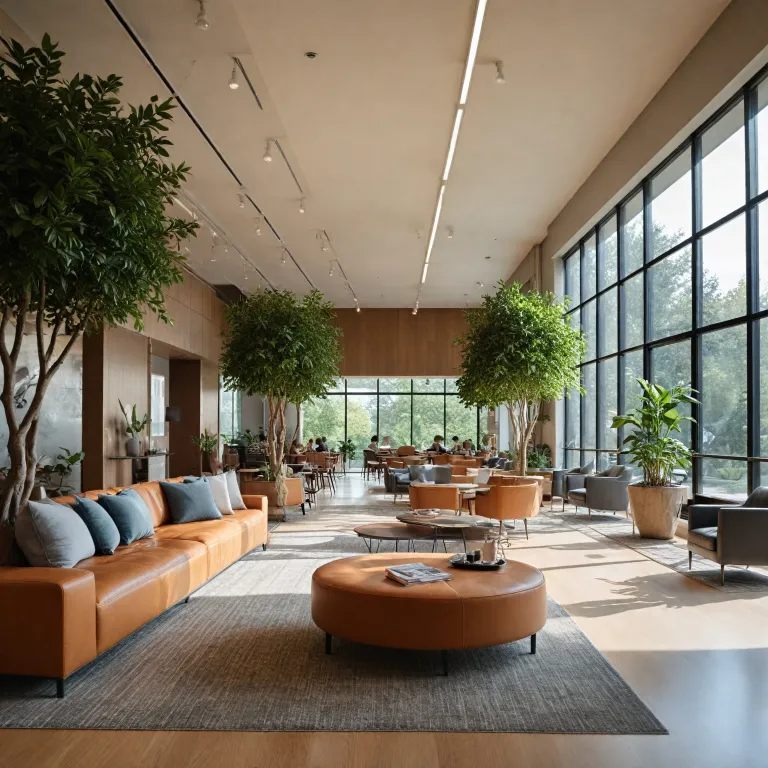
Why air quality in hotel lobbies and media coworking spaces now defines a quality hotel
For hotel management and asset directors, understanding how to improve air quality in hotel lobbies is no longer optional. When a lobby doubles as a média coworking hub, indoor air and noise, light, and digital stimuli interact, amplifying both comfort and risk for every guest and coworking user. A quality hotel that treats air as a strategic asset protects its brand, its people, and its revenue.
Lobby volumes are large, ceilings are often high, and traffic is constant, which means air pollution and other contaminants can accumulate in real time without being immediately visible. Poor air in these hybrid media coworking spaces quickly undermines the guest experience, especially when laptops, video calls, and coffee machines already stress the indoor environment. Clean air therefore becomes a core promise of comfort, not a backstage technical detail left only to facility maintenance teams.
Operators who ask how to improve air quality in hotel lobbies must start with a precise diagnosis of indoor air, not assumptions. Measuring particulate levels, CO₂, and volatile organic compounds helps quantify air quality and identify hotspots near entrances, elevators, or coworking zones. This data driven approach allows hotel management to prioritize investments in air filtration, air purifiers, and layout changes where they will most effectively improve air and make guests feel safer and more focused.
Engineering clean air in hotel lobby coworking zones
In media coworking spaces embedded in a hotel lobby, engineering choices directly shape indoor air quality and the perceived quality hotel standard. The question of how to improve air quality in hotel lobbies begins with HVAC design, but it must extend to zoning, occupancy, and the specific needs of coworking users. Facility maintenance teams and innovation leaders should co design these spaces so that clean air and fresh air are treated as primary utilities, not afterthoughts.
Regular HVAC maintenance, filter replacement, and duct cleaning are essential to prevent contaminants from circulating between rooms, lobby, and coworking areas. As one expert explanation notes, “HEPA filters capture at least 99.97% of airborne particles as small as 0.3 microns, effectively reducing contaminants in the air.” This level of air filtration, combined with well positioned air purifiers, helps reduce air pollution from outdoor sources, printing equipment, and high density meetings in indoor media rooms.
Biophilic design adds another layer of protection and comfort by integrating indoor plants and low VOC materials into the hotel lobby and adjacent coworking zones. “Certain indoor plants can absorb pollutants like benzene and formaldehyde, releasing oxygen and improving overall air quality.” For operators studying how conference hotels are redefining coworking media spaces, case studies such as the redefinition of coworking media spaces in a conference hotel show how design, technology, and air quality can be orchestrated to elevate the guest experience.
From lobby perception to guest experience and negative reviews
For DRH and corporate clients, the decision to use hotel media coworking spaces hinges on health, comfort, and productivity, all of which depend on good air. When guests enter a hotel lobby and immediately sense fresh air, neutral odours, and a comfortable temperature, they unconsciously classify the property as a quality hotel. Conversely, poor air, stuffiness, or chemical smells in indoor spaces quickly erode trust and trigger negative reviews that damage both transient and coworking demand.
Understanding how to improve air quality in hotel lobbies therefore becomes a reputational safeguard as much as a technical project. Real time monitoring of indoor air, with visible dashboards in the lobby or coworking area, can help guests feel reassured that air pollution and contaminants are being actively managed. This transparency also supports corporate ESG reporting, as companies want their employees to work in rooms and lobbies where clean air and energy efficiency are both prioritized.
Hospitality leaders evaluating coworking partnerships should integrate air quality into their review frameworks and KPIs. Resources such as insights on coworking hotel reviews and ratings highlight how air quality, noise, and ergonomics jointly shape the guest experience. When air filters, air purifiers, and ventilation strategies are aligned with occupancy patterns, hotels can reduce respiratory issues, extend dwell time in the lobby, and convert occasional users into loyal, high quality lead sources for long term coworking memberships.
Operational playbook for hotel management and facility maintenance teams
Turning the ambition of clean air into daily practice requires a clear operational playbook shared between hotel management and facility maintenance teams. The starting point is a maintenance calendar that treats air filters, ducts, and air purifiers as critical assets whose performance directly affects revenue and guest experience. “Regular maintenance of HVAC systems ensures efficient operation and prevents the accumulation of dust and pollutants, thereby improving air quality.”
Operators should define target thresholds for indoor air quality, including particulate matter, CO₂, and humidity, and then align inspection routines and budgets to maintain these levels in the hotel lobby and coworking zones. Real time sensors can alert teams when poor air conditions emerge, for example after a large media event, heavy outdoor pollution, or extended use of meeting rooms with closed windows. This data allows rapid interventions, such as increasing fresh air intake, adjusting energy settings, or temporarily deploying additional air purifiers in the lobby.
Training front office and coworking staff to recognize signs of degraded indoor air, such as guest complaints about headaches or odours, helps bridge the gap between technical systems and human perception. When staff understand how to improve air quality in hotel lobbies, they can escalate issues quickly and communicate clearly with guests about ongoing measures. This proactive stance reduces the risk of negative reviews, supports corporate clients concerned about respiratory issues, and reinforces the positioning of the property among quality hotels that treat air as part of their core service promise.
Designing media coworking layouts that help air flow and guest comfort
Space planning in media coworking hotels must balance density, technology, and air flow to maintain good air throughout the day. Clustering high occupancy zones, such as podcast studios or video conference rooms, near robust ventilation and air filtration systems helps contain contaminants and protect the wider hotel lobby. At the same time, open coworking areas should be oriented to benefit from natural light and, where feasible, controlled fresh air from operable windows or dedicated intake systems.
Asset managers and coworking operators can use computational fluid dynamics studies or simpler smoke tests to visualize how indoor air moves around furniture, partitions, and media equipment. These insights inform the placement of air purifiers, the selection of low emission materials, and the positioning of plants that support clean air without obstructing circulation. By integrating these elements, hotels can improve air while also enhancing acoustics, privacy, and visual comfort for every guest and coworking user.
Partnerships between hotels and specialized workspace platforms can further professionalize this approach to air quality and design. For example, guidance on structuring media coworking hotel deals often includes clauses on indoor air, energy performance, and health standards. When contracts explicitly reference air quality metrics, air filters specifications, and maintenance responsibilities, both parties are incentivized to maintain clean, fresh air in lobbies and rooms, protecting the guest experience and the long term value of the asset.
Communicating air quality as a value proposition to corporate clients
For DRH, real estate directors, and innovation leaders in corporate clients, the decision to relocate teams into hotel based media coworking spaces depends heavily on health and safety assurances. Hotels that clearly articulate how to improve air quality in hotel lobbies, meeting rooms, and coworking zones can position themselves as strategic partners in talent retention and hybrid work strategies. This requires translating technical air quality data into simple, english friendly narratives that highlight benefits for employees and productivity.
Marketing materials and RFP responses should explain how indoor air is monitored in real time, how air filtration and air purifiers are dimensioned, and how energy use is optimized without compromising clean air. Sharing metrics on reduced contaminants, lower risk of respiratory issues, and guest experience scores helps corporate buyers understand why these hotels qualify as quality hotels for long term collaboration. Visual dashboards in the lobby, QR codes linking to air quality reports, and staff trained to answer questions all help guests feel informed and reassured.
By framing clean air and fresh air as part of a broader wellbeing ecosystem that includes ergonomics, lighting, and acoustic comfort, hotels can differentiate their media coworking offer from conventional offices. This positioning reduces the likelihood of negative reviews related to poor air or discomfort and instead generates a quality lead pipeline of companies seeking flexible, healthy work environments. Over time, consistent delivery on air quality promises strengthens the hotel brand, supports premium pricing, and anchors media coworking as a durable, high value component of the hospitality business model.
Measuring ROI and long term value of air quality investments in hotels
For asset owners and operators, investments in indoor air quality must be justified not only by health arguments but also by measurable financial outcomes. Tracking the impact of air filtration upgrades, new air purifiers, and layout changes on occupancy, length of stay, and coworking memberships helps quantify how to improve air quality in hotel lobbies as a business lever. Over time, correlations between cleaner air, fewer respiratory issues, and stronger guest experience scores can be used to support further capital expenditure.
Key indicators include the volume and tone of online reviews mentioning air, comfort, or lobby atmosphere, as well as the frequency of negative reviews related to odours or stuffiness. Comparing performance across properties within the same brand can reveal how quality hotels that prioritize clean air and fresh air outperform peers on RevPAR and coworking revenue. These insights also guide energy optimization, ensuring that increased fresh air intake and air filtration do not unnecessarily inflate energy costs.
Finally, integrating air quality metrics into ESG reporting and corporate sales pitches strengthens the hotel’s positioning with multinational clients. When hotels can demonstrate that their lobbies and media coworking spaces maintain good air in real time, supported by robust air filters and transparent maintenance protocols, they move from being simple accommodation providers to strategic workplace partners. This shift unlocks new revenue streams, stabilizes demand across seasons, and embeds air quality as a core pillar of long term asset value.
Key statistics on air quality technologies in hotels
- Reduction in airborne contaminants with HEPA filters : 99.97 % (Honeywell Hotel Study).
- Reduction in SARS-CoV-2 surrogate with Plasma Air solution : 99.99 % (WellAir Case Study).
Frequently asked questions about air quality in hotel lobbies and coworking spaces
How do HEPA filters improve air quality in hotel lobbies ?
HEPA filters improve air quality in hotel lobbies by capturing at least 99.97 % of airborne particles as small as 0.3 microns, which significantly reduces dust, allergens, and other contaminants. In media coworking environments, this level of filtration is particularly valuable because equipment, higher occupancy, and longer dwell times all increase particle loads. When integrated into well maintained HVAC systems and complemented by portable air purifiers, HEPA filters help maintain clean air and support a healthier guest experience.
Can indoor plants significantly improve air quality in hotel lobbies ?
Indoor plants can contribute to better air quality in hotel lobbies by absorbing certain pollutants such as benzene and formaldehyde while releasing oxygen. Their impact is modest compared with mechanical air filtration, but they enhance perceived freshness and comfort, especially in media coworking zones where guests spend extended time. Combined with low VOC materials and effective ventilation, plants form part of a holistic strategy to improve air and create a more pleasant, biophilic environment.
What role does HVAC system maintenance play in air quality ?
HVAC system maintenance is central to sustaining good indoor air quality in hotels because neglected systems can accumulate dust, mould, and other contaminants. Regular inspections, cleaning, and timely replacement of air filters ensure that air purifiers and ventilation equipment operate at their designed efficiency. For hotel lobbies and coworking spaces, this maintenance directly influences how guests feel, how often respiratory issues occur, and how the property performs in reviews and corporate audits.
How can hotels communicate air quality measures to guests and corporate clients ?
Hotels can communicate air quality measures through lobby signage, digital displays showing real time air quality data, and clear explanations on websites and RFP documents. Staff should be trained to explain how air filtration, fresh air intake, and energy management work together to maintain clean air in lobbies, rooms, and coworking areas. Transparent communication builds trust, reassures health conscious guests, and supports negotiations with corporate clients seeking safe, high quality work environments.
Why is air quality especially important in media coworking spaces within hotels ?
Air quality is especially important in media coworking spaces because users often spend many consecutive hours in the same indoor environment while speaking, recording, or collaborating. These activities increase CO₂ levels and particle emissions, which can quickly lead to poor air if ventilation and air purifiers are inadequate. Ensuring good air in these zones protects health, maintains cognitive performance, and reinforces the hotel’s positioning as a professional, high quality workspace provider.