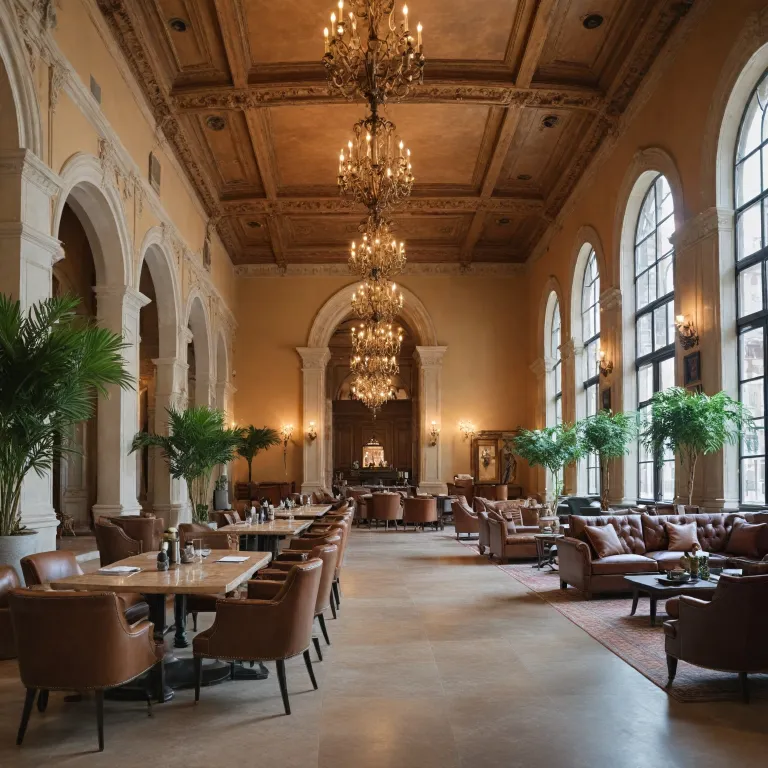
Media coworking at conference Florentia Hotel as a strategic asset
Media coworking in hotels has moved from experiment to strategic lever for asset performance. At conference Florentia Hotel in Florence, the combination of large-scale conference facilities and flexible workspaces creates a powerful test bed for operators. The property’s 328 guest rooms and extensive conference rooms allow hotel leaders to pilot hybrid hospitality models at meaningful scale.
For exploitants hôteliers and directeurs d’actifs, the location on Via Giovanni Agnelli positions the hotel slightly outside the historic city center, which changes how media coworking must be programmed. The distance of roughly 10 km from the city center means the hotel must compete not only on room and conference quality, but also on parking, free parking options, and seamless access for daily users. This is where a clear value proposition around a media coworking hub, integrated with a hotel conference ecosystem, becomes essential.
Conference Florentia Hotel already operates as a full hotel and conference venue, so layering coworking and media production functions is a logical extension. The existing business center, fitness center, and on-site restaurants can support guests who combine a work stay, a conference, and a media project in a single trip. For DRH and corporate real estate leaders, this mix offers a good price to value ratio when compared with fragmented solutions across multiple hotels and standalone coworking spaces.
From an operator’s perspective, the hotel offers a rare combination of 19 modular conference rooms and generous parking capacity. This allows the creation of dedicated media coworking zones that do not cannibalize traditional conference revenue, while still serving conference florentia hotel clients. The result is a more resilient revenue mix and a differentiated position among hotels in Florence.
Designing media coworking journeys inside conference Florentia Hotel
Designing media coworking journeys at conference Florentia Hotel starts with understanding who actually uses the spaces. Conference delegates, long-stay guests, local freelancers, and corporate teams all have different expectations regarding room typologies, conference rooms, and shared areas. A successful layout must therefore orchestrate quiet focus zones, collaborative lounges, and media-ready studios without disrupting the classic hotel flow.
The hotel’s 19 meeting and conference rooms can be zoned into three functional clusters. First, high-capacity halls near the main entrance serve large conference events and plenary sessions, supported by a dedicated hotel conference reception. Second, mid-size rooms closer to the business center can be equipped with flat screen displays, robust air conditioning, and integrated coffee machine stations for project teams. Third, smaller rooms near the lobby can be converted into bookable media coworking pods, ideal for podcasting, video calls, and private interviews.
Because the property sits outside the dense city center of Florence, parking and free parking policies become part of the coworking product design. Local entreprises utilisatrices will evaluate not only the quality of rooms and private bathroom options for overnight guests, but also the ease of access for day users who arrive by car. A clear check time policy, transparent extra bed and extra beds pricing, and predictable room service standards all contribute to a frictionless hybrid work stay.
For innovation leaders and coworking operators, conference Florentia and the wider florentia hotel complex offer a living laboratory. The dedicated article on how Conference Florentia Hotel Florence is redefining coworking media spaces in hotels details how modular design, media infrastructure, and hospitality services can be aligned. This approach helps transform a traditional hotel florence asset into a flexible platform that serves conferences, coworking, and media production with equal rigor.
Operational models and revenue architecture for hotel media coworking
Operationalizing media coworking at conference Florentia Hotel requires a clear revenue architecture that aligns hotel, coworking, and media usage. Asset managers must segment demand between classic conference clients, long-stay guests, and local media professionals who value flexible access. Each segment has different sensitivity to price, extra services, and the perceived value of integrated hotel offers.
One viable model is to bundle conference rooms with media coworking credits, allowing conference organizers to extend their events into pre and post production days. In this scenario, guests can book rooms with a private bathroom, air conditioning, and a flat screen, while their teams use the business center and coworking zones for editing or content creation. Reviews from such integrated stays often highlight the convenience of having room service, a fitness center, and a coffee machine nearby during intense production cycles.
Another model focuses on local entreprises utilisatrices that need recurring access to media-ready spaces without committing to long leases. Here, the hotel can offer subscription packages that include free parking or discounted parking, preferential check time windows, and access to selected conference rooms during off-peak periods. For DRH, this creates a flexible benefit for employees, combining a professional environment with wellness options like the fitness center and pool.
To manage risk and performance, operators should systematically analyze coworking and hotel reviews. Insights from platforms and from resources such as evaluating coworking hotel reviews and ratings help refine service standards, child age policies, and extra bed pricing. Over time, this data-driven approach can elevate conference florentia hotel from a traditional conference venue to a benchmark for media coworking in hotels across the city of Florence.
Guest experience, HR policies, and media coworking in hotels
Media coworking in hotels like conference Florentia Hotel reshapes the guest experience far beyond the classic overnight stay. Guests may arrive for a conference, extend their trip for coworking, and then use the hotel’s media spaces for content production. This blended journey requires precise coordination between front office, housekeeping, IT, and HR teams.
For DRH and corporate HR leaders, the presence of a fitness center, reliable air conditioning, and quiet rooms with a flat screen and coffee machine supports employee wellbeing during intensive work sessions. When employees stay at hotel florence properties that integrate coworking, they benefit from private bathroom comfort and hotel-level safety standards. Clear policies on child age, extra bed, and extra beds also matter for employees who combine business travel with family obligations.
From the hotel’s perspective, every touchpoint must be optimized for both classic guests and coworking users. Check time flexibility, responsive room service, and transparent communication about parking or free parking options influence how guests rate their stay. Over time, positive reviews about the conference florentia experience, the quality of rooms, and the efficiency of the business center reinforce the hotel’s positioning as a hybrid work and conference destination in Florence.
HR policies inside the hotel must also adapt to media coworking operations. Staff need training on managing conference rooms that switch rapidly between plenary sessions, coworking layouts, and media setups. Resources such as media coworking hotel deals unlocking value provide frameworks for aligning staff incentives, guest expectations, and operator returns, ensuring that conference florentia hotel remains competitive among leading hotels in the city.
Technology, media infrastructure, and the role of reviews
Media coworking in hotels depends heavily on robust technology and infrastructure, and conference Florentia Hotel is no exception. Reliable high bandwidth connectivity, soundproofing, and flexible lighting are as critical as comfortable rooms and conference rooms. When these elements are combined with classic amenities like air conditioning, private bathroom facilities, and room service, the result is a compelling environment for media professionals.
Operators should treat every conference and coworking booking as an opportunity to stress test the hotel’s media readiness. For example, a multi day conference florentia event might require simultaneous live streaming from several conference rooms, while guests edit content in their rooms using flat screen displays and in room coffee machine setups. The business center can serve as a technical hub, coordinating with external partners and ensuring that the hotel offers a consistently high standard of connectivity and support.
Online reviews play a decisive role in shaping perception of media coworking capabilities. Guests will comment not only on the good price value of their stay, but also on details such as check time accuracy, parking availability, and the practicality of free parking options. For hotels in Florence competing for conference and coworking business, a steady flow of positive reviews about conference florentia hotel’s media facilities can become a powerful differentiator.
Because the property sits slightly outside the historic city center, clear communication about transport, parking, and trip planning is essential. Guests should be able to check directions easily, understand whether free parking applies to their booking, and know how long it takes to reach key city landmarks. Over time, transparent communication and consistently strong reviews will reinforce conference Florentia Hotel’s reputation as a media coworking leader among hotels in the region.
Positioning conference Florentia Hotel within the Florence and Radisson Blu ecosystem
Positioning conference Florentia Hotel within the broader Florence hospitality landscape requires a nuanced view of brand ecosystems. While the property operates independently, many guests compare it with international brands such as Radisson Blu when evaluating conference and coworking options. This comparison extends to hotel offers, conference rooms, and the perceived reliability of services like room service and business center support.
The address on Via Giovanni Agnelli places the hotel within a business oriented corridor rather than the tourist saturated city center. For asset managers, this location can be turned into an advantage by emphasizing easy parking, potential free parking for certain packages, and fast access to major roads. When combined with competitive price positioning and strong media coworking capabilities, conference florentia hotel can appeal to entreprises utilisatrices that might otherwise default to more central hotels.
In this context, the role of Giovanni Agnelli in the street name subtly reinforces a business and industrial heritage narrative. Corporate clients planning a trip that mixes conference, coworking, and media production may appreciate the symbolism of a hotel florence asset rooted in a district associated with enterprise. By aligning hotel offers with this narrative, operators can frame conference Florentia as a pragmatic, good value alternative to luxury brands like Radisson Blu, especially for large groups needing many rooms and conference rooms.
Finally, the integration of media coworking into the hotel conference model supports long term asset resilience. As work patterns evolve, hotels that provide flexible rooms, clear check time policies, and thoughtful child age and extra bed options will better serve diverse guests. When these fundamentals are combined with a credible media coworking proposition, conference florentia hotel is well placed to remain a reference point for hybrid hospitality in Florence.
Key figures for conference Florentia Hotel and its media coworking potential
- Total guest rooms: 328 rooms, enabling large scale hybrid stays that combine conferences, coworking, and media production.
- Total meeting and conference rooms: 19 rooms, providing a versatile platform for hotel conference events and modular media coworking layouts.
- Maximum conference capacity: 800 people, allowing the hotel to host major events while dedicating selected conference rooms to media coworking zones.
- Approximate distance from Florence city center: 10 km, which reinforces the importance of parking, free parking options, and efficient transport planning for guests.
- Location coordinates: approximately 43.74399 latitude and 11.2836 longitude, situating conference florentia hotel within a strategic business corridor rather than the historic core.
Frequently asked questions about conference Florentia Hotel and media coworking
What facilities does conference Florentia Hotel offer for conferences and coworking ?
The hotel offers 328 guest rooms, 19 modular meeting rooms accommodating up to 800 people, on-site restaurants and bars, a fitness center, and an outdoor pool. These facilities can be configured to support classic conference formats, flexible coworking layouts, and media production workflows. For guests, this means they can attend a conference, extend their stay for coworking, and still enjoy full hotel services including room service and private bathroom comfort.
Where is conference Florentia Hotel located in relation to Florence ?
The hotel is located at Via Giovanni Agnelli 33, 50126 Firenze, Italy, in a business oriented area outside the historic city center. This position offers easier access by car, ample parking, and a quieter environment for conferences and coworking. Guests planning a trip should factor in the approximate 10 km distance to central Florence when scheduling meetings or leisure activities.
How can event planners and companies contact conference Florentia Hotel ?
Event planners, coworking operators, and entreprises utilisatrices can contact the hotel via email at [email protected] or by phone at +39 055 64901. Direct contact allows detailed discussion of conference rooms, media coworking requirements, and specific needs such as extra beds, child age policies, or free parking conditions. This personalized approach helps align hotel offers with each client’s operational and budget constraints.
Is conference Florentia Hotel suitable for large scale media and corporate events ?
With 19 conference rooms and a maximum capacity of 800 people, the hotel is well suited to large corporate and media events. The combination of extensive rooms inventory, a fully equipped business center, and strong conference infrastructure supports complex programs that mix plenary sessions, workshops, and media coworking. For many organizations, this integrated setup offers a good balance between price, flexibility, and professional standards.
How does conference Florentia Hotel compare with central Florence hotels and brands like Radisson Blu ?
Compared with central hotels and international brands such as Radisson Blu, conference Florentia Hotel positions itself as a high capacity, good value venue with strong conference and coworking capabilities. Its location outside the dense city center allows for easier parking, potential free parking options, and more generous conference rooms. For asset managers and DRH, this makes the property an attractive choice when planning large events, extended stays, or media coworking programs that require many rooms and reliable infrastructure.