Family-first bleisure travel as the new baseline for hotel coworking
Bleisure travel has shifted from niche perk to mainstream expectation for business travelers. As more employees blend business travel with meaningful leisure time, hotels with coworking spaces are becoming the default hub for work life on the road. For media-focused coworking concepts in hotels, the question is no longer whether bleisure trips exist, but how to operationalize them for families, teams and companies at scale.
Industry data now shows that combining business and leisure in one trip is not a side case but a structural travel trend that supports work life balance and employee retention. A 2023 Global Business Travel Association survey, for example, found that roughly half of business travelers had added personal days to at least one work trip in the previous year, and that share rises to around 60% for travelers under 35 according to major corporate travel agencies. When over half of younger business travelers routinely extend a business trip into a short leisure travel break, the lobby, the suite and the kids club become as strategic as the meeting room. For exploitants hôteliers and asset managers, this global bleisure shift means that every square metre must serve both work trips and family activities without compromising either.
Bleisure travelers increasingly bring spouses and children, turning a standard business trip into a shared bleisure trip with complex needs around time, expense and policy. These travelers want reliable work zones, child friendly leisure activities and transparent travel expense rules that allow some business personal flexibility without breaking corporate travel policies. For companies and HR teams, the rise of family-first bleisure travel forces a rethink of travel policy, expense management and duty of care, while hotels that host coworking spaces can position themselves as the most compliant, efficient and human centric partners by offering clear packages, documented inclusions and easy-to-audit folios.
Designing suites and coworking zones for working parents, not solo consultants
Most hotel coworking design still assumes a solo consultant on a two night trip, yet family-first bleisure travel requires a different spatial logic. Suites need a closed door work zone that is visible but acoustically separated from the family area, so an employee can work while still supervising children during early morning or late evening calls. This is where media coworking in hotels can differentiate, by treating the in room desk, the lighting and the Wi Fi as seriously as any external coworking operator would, and by applying the same ergonomic standards used in dedicated flexible offices.
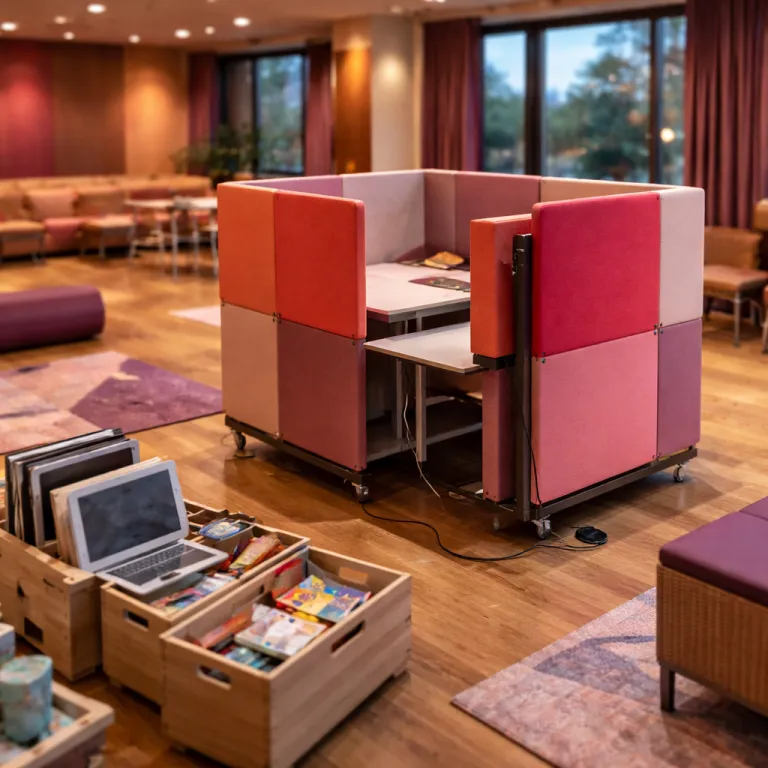
For business travelers who extend business trips into bleisure trips, the ideal layout combines a compact office with ergonomic seating, strong task lighting and full AV support, plus a lounge area where family members can relax during leisure time. Parents can shift between focused work and personal activities without leaving the suite, while children remain within sight but not within microphone range. When this design is paired with on property coworking spaces, teams can choose between quiet zones for work trips and more social areas for collaborative activities during a longer bleisure trip, mirroring the choice they would have in an urban coworking hub.
Commercially, this design logic supports new family inclusive rate codes that bundle workspace, kids amenities and flexible check in for corporate travel. A sample structure might include a “WORK+FAMILY” code with guaranteed late checkout, two hours of meeting room access and daily kids club entry. At one upscale urban property, a similar package combining a media-ready suite, lobby coworking access and supervised kids activities delivered a 14% higher ADR and an average stay extension of 1.3 nights over standard corporate rates. Revenue managers can price these business leisure packages to reflect higher ADR from longer trips while still aligning with corporate travel policy and travel expense rules. For a practical operational checklist on preparing hybrid ready properties for this segment, hotel leaders can review a dedicated bleisure travel readiness guide on an operational readiness checklist for hybrid ready properties, then adapt it to their own management policies and expense management systems.
Programming, kids clubs and media coworking as a single ecosystem
Programming is where family-first bleisure travel either works beautifully or collapses under scheduling friction. Kids clubs that open at 10:00 and close at 16:00 do not match the reality of global work trips, where business travelers may need quiet from 8:00 for calls and then again in late afternoon for management meetings. Hotels that align kids club hours, media coworking access and F&B service with typical business travel rhythms will win repeat business from both employees and companies, because the stay feels orchestrated rather than improvised.
For media coworking operators in hotels, this means treating the kids club timetable as part of the coworking product, not a separate leisure activity. Parents can book a half day of structured activities for children that mirrors their own work blocks, while they use the lobby coworking zone or a dedicated media room for content creation and virtual meetings. This integrated approach respects both personal time and work obligations, turning a business trip into a sustainable bleisure trip rather than a stressful compromise between business and leisure, and giving revenue teams a clear product to promote in corporate RFPs.
Partnerships with corporate clients can go further, with school break coordination, onsite tutoring pilots and family friendly team offsites that blend corporate travel with curated leisure travel experiences. As coworking startups increasingly collaborate with hotels, media coworking strategies can be shaped by insights from how coworking startups are reshaping hotel media coworking strategies, especially around content studios, podcast booths and hybrid event formats. In this model, travel bleisure becomes a programmable asset, where management teams can schedule work, learning and leisure activities with the same precision they apply to meeting room inventory, using simple templates that map time blocks for parents and children side by side.
F&B, lobby coworking and the new media ready day pass
Food and beverage strategy often lags behind the realities of bleisure travel, yet it is central to how business travelers and their families experience a property. Grab and go breakfast that respects early client calls, all day dining that works for different time zones and child friendly menus that do not feel like an afterthought are now baseline expectations. When these elements are integrated with lobby coworking and media ready spaces, hotels can turn casual day users into loyal bleisure travelers who return for both work and leisure travel, especially if they know they can rely on consistent coffee, Wi Fi and healthy options.
The most advanced properties treat the lobby not as a waiting room but as a flexible coworking and media hub, where the best table is the one with power, natural light and a decent espresso. A detailed breakdown of a lobby as coworking playbook shows how zoning, acoustics and bar design can support both work and social activities without forcing either to dominate. For media coworking in hotels, this means designing day pass products that bundle workspace, F&B credit and access to small media rooms, so an employee on a short business trip can record content, host a webinar and then rejoin their family for leisure time by the pool without juggling multiple separate bookings.
From a management perspective, these hybrid F&B coworking offers must align with travel policy rules and corporate expense management systems, so that travel expense claims remain clean even when business personal elements are present. Clear communication around what is covered as business travel and what counts as personal leisure ensures that companies feel comfortable encouraging bleisure trips rather than restricting them. When policies are transparent, teams can plan trips that optimize both work life balance and budget, while hotels capture incremental revenue from extended stays and higher spend per trip, tracked through specific cost centres for workspace, F&B and kids programming.
Measurement, policies and the business case for family-first bleisure
For general managers and asset owners, the strategic question is how to isolate the ADR and RevPAR lift generated by family-first bleisure travel from generic leisure demand. This requires tagging business trips that convert into bleisure trips, tracking length of stay, ancillary spend and workspace usage across both individual travelers and teams. When media coworking performance data in hotels is integrated into management dashboards, it becomes possible to quantify the impact of coworking, kids programming and family inclusive rate codes on overall business performance using simple formulas such as incremental RevPAR = (total revenue from bleisure stays ÷ available rooms) minus baseline RevPAR.
On the corporate side, travel managers are rewriting travel policies to reflect the reality that “What is bleisure travel? Combining business and leisure in one trip.” and “Why is bleisure travel popular? Enhances work-life balance and job satisfaction.” and “How do companies support bleisure travel? By implementing flexible travel policies.”. Companies that align their travel policy and expense management tools with this definition can encourage employees to add leisure time without losing control of travel expense and duty of care. In practice, this means specifying which nights are covered as business travel, how personal nights are handled and how mixed business leisure activities should be reported, ideally with pre-trip approval workflows that flag any personal components.
The global bleisure market already represents well over one hundred billion dollars in annual travel spend, with a significant share of business trips now including at least one weekend or family component according to major corporate travel agencies and hotel groups that track blended stays. As more employees seek global bleisure opportunities, hotels with strong coworking products, clear policies and media ready spaces will capture a disproportionate share of this demand. For hotel leaders, the business case is straightforward : design for the working parent, structure policies that welcome bleisure travelers and treat every bleisure trip as a chance to deepen loyalty across both the employee and the company, measured through repeat stay ratios and corporate account retention.
FAQ
How is family-first bleisure changing hotel coworking design ?
Family-first bleisure requires suites and coworking spaces that support both focused work and family presence in the same trip. Hotels are adding closed door work zones, better sound insulation and more flexible lobby coworking areas to serve business travelers who bring partners and children. This design shift helps employees maintain work life balance while still enjoying meaningful leisure activities with their families, and gives properties a clear point of differentiation in corporate RFPs.
What should hotel GMs track to measure bleisure performance ?
General managers should track the share of business trips that extend into bleisure trips, length of stay, ancillary spend and workspace utilization. Segmenting data by business travel, leisure travel and mixed travel bleisure stays helps clarify which products drive higher ADR and total revenue per trip. Linking these metrics to specific policies, packages and coworking usage provides a clear view of ROI, especially when dashboards highlight incremental RevPAR and total revenue per available seat in coworking zones.
How can hotels work with companies on bleisure friendly policies ?
Hotels can collaborate with corporate travel management teams to create rate codes and packages that separate business and personal components clearly. Transparent documentation of what is covered as business travel expense and what is considered personal leisure cost makes approval easier for companies. This clarity encourages more employees to choose bleisure travel while keeping expense management compliant, and reduces post-trip disputes about what can be reimbursed.
Why is media coworking relevant to bleisure travelers ?
Media coworking spaces in hotels provide quiet, well equipped rooms for video calls, content creation and hybrid meetings during a trip. Bleisure travelers, especially those in client facing or creative roles, need reliable environments for work activities before rejoining their families for leisure time. Hotels that offer these media ready zones alongside family amenities become attractive bases for longer work trips, because they remove the need to rent external studios or day offices.
Are bleisure travelers mainly solo consultants or also teams and families ?
Bleisure travelers now include solo consultants, small teams and families who combine business and leisure in one trip. Many employees under 40 routinely add personal days or bring relatives on business trips, turning standard work trips into shared experiences. Hotels that design for this broader mix, rather than only for solo business travelers, will capture more repeat business and higher value stays, particularly when they can show case studies of successful family-first corporate programs.