Clarifying hotel chain affiliation for venue on sormarka no and somarka
For asset managers and operators, clarity on hotel affiliation for a venue on sormarka no and in the wider Somarka region is the starting point for any serious hospitality branding strategy. Sørmarka Conference Hotel in Siggerud operates as an independent conference hotel, which means it is not tied to a traditional hotel chain and can shape its own narrative as a nature-based hotel. According to the venue’s public information and Norwegian corporate registry data (Brønnøysundregistrene, organisation number listed under Sørmarka Konferansehotell AS), Sørmarka is run as a stand-alone hospitality company, and this status affects how media coworking in the hotel is positioned to corporate groups and to the public market.
When you evaluate hotel chain affiliation for a venue in the Sørmarka area and Somarka surroundings, you are really assessing the balance between brand autonomy and distribution power. A chain-branded hotel often benefits from global loyalty programmes, centralised policy frameworks, and shared technology stacks, while an independent hotel can move faster on design, coworking concepts, and content partnerships. For media coworking in hotels, that agility can be decisive when adapting rooms and conference spaces to hybrid work and production needs, especially for professional teams arriving from Oslo, Stavanger, or other regional hubs that value flexible arenas and clear contact channels.
The official answer to the core affiliation question is explicit and non-negotiable: “Is Sørmarka part of a hotel chain? It operates independently, without traditional chain affiliation.” This independence allows the venue to treat its 133 rooms, meeting rooms, and conference hotel facilities as a flexible arena for coworking, podcasting, and media production. The 133-room figure is confirmed by the hotel’s own fact sheets and booking information on its public website and booking engine. For hotel owners and directions immobilières, this creates a test bed where branding, coworking memberships, and new revenue models can be piloted before being scaled to other hotels in Oslo, Stavanger, or beyond.
Branding the coworking arena in an independent conference hotel
Branding a coworking arena inside an independent conference hotel on Sørmarka requires a different mindset from rolling out a standard chain concept. The hotel can position its media coworking offer as a bridge between nature and technology, using the surrounding forest and lake as a visual identity anchor while equipping conference rooms with broadcast-ready infrastructure. This duality is particularly attractive for professional groups that want both quiet surroundings and high-performance connectivity in a hotel close to, but clearly outside, central Oslo and other urban hubs.
In practice, the coworking and media spaces at a venue like Sørmarka Conference Hotel become a branded arena rather than just a set of meeting rooms. Wayfinding, digital signage, and content walls should extend the hotel brand into every corridor, while still allowing neutral backdrops for corporate clients that bring their own visual identity. For operators, resources on effective signage strategies for hospitality properties, such as best practices for elevating hotel experiences through signage, are directly applicable when designing media-friendly coworking zones that guide both public and private users through the different arenas and support clear policy communication.
Because the hotel is not part of a chain, its policy on coworking memberships, day passes, and long-term corporate access can be tailored to local demand from Oslo and from regional hubs like Stavanger. This flexibility lets the venue test different pricing for day users, resident teams, and production crews that need rooms for several days of recording. Over time, the coworking arena brand can become as strong as the conference hotel brand itself, especially if the latest news about events, residencies, and media partnerships is consistently shared across owned channels, internal newsletters, and public updates about the Sørmarka arena.
Media coworking, nature, and the Sørmarka / Somarka sense of place
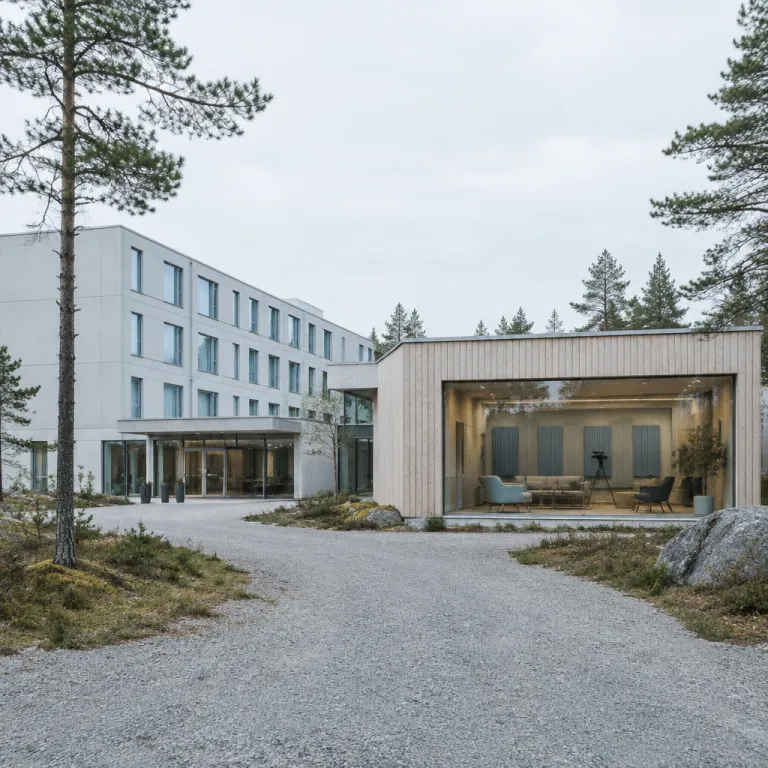
Media coworking in hotels on Sørmarka and Somarka only works if the design respects the surrounding nature. Guests choose this type of conference hotel precisely because it sits outside central Oslo, offering forest trails, lakeside views, and a calmer rhythm for professional retreats. The branding of coworking spaces must therefore integrate natural materials, daylight, and sightlines to the outdoors rather than hiding teams in windowless rooms that could be in any anonymous city hotel with no link to the local landscape.
For exploitants hôteliers and directeurs d’actifs, the key is to make nature part of the media narrative without compromising on technology. Acoustic treatments can use wood and textile finishes that echo the forest, while still delivering studio-grade sound for podcasts, webinars, and hybrid conference sessions. Outdoor terraces can be branded as informal coworking arenas for small groups, with power, Wi‑Fi, and subtle signage that connects the hotel identity to the Sørmarka landscape and to the broader Somarka region, reinforcing the positioning of Sormarka hotels as nature-first hospitality arenas.
When positioning hotel affiliation for a venue on sormarka no and somarka, the independent status becomes a storytelling asset rather than a limitation. The hotel can present itself as a stand-alone arena where companies escape the city for a day or several days, combining structured conference programmes with flexible coworking and media creation. This sense of place is reinforced when food concepts highlight local ingredients and when both public and private events are framed as part of a broader nature-based hospitality experience that differentiates Sormarka hotels from urban competitors and other conference hotels near Oslo.
Designing media coworking journeys for professional and private groups
Branding media coworking in hotels is not only about logos and colours; it is about the journey that professional and private groups experience from first contact to post-event follow-up. For a venue like Sørmarka Conference Hotel, that journey often starts with a digital search related to hotel affiliation in the Sørmarka area or Somarka region, followed by a direct contact via email or phone. Clear messaging about independent status, room capacities, and conference technology reassures corporate buyers and HR leaders who manage offsite policies and need predictable hospitality standards for their teams.
Once on site, groups should feel that every touchpoint reinforces the coworking and media identity of the hotel. Reception desks can double as information hubs for day passes, podcast studio bookings, and quiet rooms for asynchronous work, while corridors can highlight the latest news about previous productions, thought leadership events, and long-term partnerships. For nomadic workers and distributed teams, guidance on time zone–aware hospitality and async-friendly services, such as those described in specialised resources on serving the async guest, can inspire service design that aligns with media coworking expectations and supports longer stays in a nature-based conference hotel.
Private groups using the hotel for weddings or family events can also benefit from the media coworking infrastructure, especially when they need hybrid streaming or professional photography spaces. A recent example from a Sørmarka wedding illustrates this: the couple used a small podcast room as a quiet studio for recording video messages from guests, while the main hall hosted a live-streamed dinner. The challenge for operators is to maintain a coherent brand that speaks to both corporate and private segments without diluting the core hospitality promise. Careful zoning of rooms, clear policy communication, and differentiated food offerings for conference groups versus leisure guests help preserve that balance.
Operational policies, technology stacks, and contact strategies
Independent hotels on Sørmarka and Somarka must formalise their policy frameworks if they want media coworking to scale beyond a few ad hoc bookings. A written policy on noise, recording rights, data protection, and public versus private access to coworking zones protects both the hotel and its clients. For DRH and corporate real estate teams, such clarity is often a prerequisite before they commit to recurring offsites or distributed team hubs, particularly when they compare different Sormarka hotels or alternative conference venues near Oslo and other Norwegian cities.
On the technology side, the hotel needs a stack that supports both conference hotel operations and media production workflows. This usually includes high-bandwidth connectivity in all rooms, flexible AV systems in conference spaces, and booking tools that allow groups to reserve specific arenas such as podcast booths or hybrid meeting rooms. Integrating these tools with CRM and marketing platforms ensures that every contact, from initial enquiry to post-stay survey, feeds into a coherent data strategy and informs future investment in hospitality technology and guest experience.
Because the venue is independent, contact channels must be especially visible and easy to use for international clients from Oslo, Stavanger, and other markets. Websites should provide clear phone numbers, an “email protected” style address for sales and events, and dedicated forms for media coworking enquiries that specify room types, food options, and technology needs. Regularly updated sections with the latest news about upgrades, new arenas, and partnership programmes reinforce trust and position the hotel as a professional, future-ready hospitality actor within the broader Sormarka arena and Somarka region.
Strategic implications for hotel portfolios and coworking operators
For portfolio owners and coworking operators, the case of hotel affiliation in the Sørmarka area and Somarka illustrates how independence can support experimentation. An independent conference hotel like Sørmarka can pilot media coworking formats, test new arena concepts, and refine branding before these ideas are adapted to chain-affiliated hotels in larger cities. This experimentation reduces risk for the wider portfolio while generating concrete data on occupancy, ancillary revenue, and guest satisfaction that can be compared with more traditional hotels and standard conference venues.
Operators of existing coworking brands can view Sørmarka and Somarka-style venues as complementary nodes in a regional network. Urban sites in Oslo or Stavanger may focus on daily desk use and startup communities, while nature-based conference hotels specialise in retreats, content production, and strategic offsites for larger groups. Cross-branding agreements can allow members to move between these arenas, using the same contact channels and policy frameworks while enjoying different hospitality experiences and food concepts tailored to each location and type of hotel.
For directions immobilières and DRH, the strategic question is how to integrate such venues into long-term workplace and talent strategies. Regular offsites at a media-enabled conference hotel can support culture building, training, and employer branding, especially when the setting in nature contrasts with everyday office life. Over time, the independent identity of Sørmarka Conference Hotel and any future Somarka venues can become a recognised mark of quality for media-rich, human-centric hospitality, influencing how companies select hotels for leadership programmes and creative retreats.
Key figures and operational benchmarks for media coworking in hotels
- Sørmarka Conference Hotel offers 133 rooms, which allows the venue to host medium-sized conferences and coworking retreats without losing the intimate, nature-focused atmosphere that differentiates it from large urban hotels. This capacity is documented in the hotel’s official room inventory, public booking tools, and fact sheets shared with professional buyers.
- The independent status of Sørmarka, confirmed as operating without traditional chain affiliation as of the current period, means that all branding, policy, and technology investments are controlled locally rather than dictated by a central corporate office or international hotel group.
- Positioning a hotel as both a conference hotel and a media coworking arena typically increases meeting room utilisation by a measurable margin, as rooms can be sold to both day users and residential groups across weekdays and weekends. Internal benchmarks from comparable Nordic conference hotels indicate that dual-use arenas can add 3–7 percentage points to annual occupancy and generate higher ancillary revenue from food and technology services.
- Nature-based conference hotels near major cities such as Oslo often attract corporate clients within a radius of 50 to 150 kilometres, which supports a mix of day conferences and multi-day retreats without relying heavily on long-haul travel. This regional focus is particularly relevant for Sormarka hotels that market themselves as accessible yet clearly nature-oriented arenas for professional and private groups.
FAQ about hotel chain affiliation and media coworking on Sørmarka and Somarka
Is Sørmarka Conference Hotel part of a hotel chain ?
Sørmarka Conference Hotel operates as an independent venue and is not affiliated with a major hotel chain, which gives it full control over branding, coworking concepts, and partnership strategies. This independence is confirmed by public information from Norwegian corporate registries and the venue’s own communications. For planners, this means all negotiations and customisations are handled directly with the local management team rather than through a central chain office or external asset manager.
How does independence affect media coworking design in the hotel ?
Because the hotel is independent, it can adapt rooms, conference spaces, and public areas into media coworking zones without waiting for chain-level approvals. This allows faster deployment of podcast studios, hybrid meeting arenas, and flexible day pass policies tailored to clients from Oslo, Stavanger, and other regional hubs. The result is a more responsive hospitality offer that can evolve with changing work patterns, new technology standards, and feedback from professional and private groups.
What types of groups benefit most from media coworking at Sørmarka ?
Corporate teams planning strategy offsites, training programmes, or content production sprints gain the most value from a media-enabled conference hotel in nature. These groups can combine structured plenary sessions with smaller coworking clusters, using both indoor rooms and outdoor arenas. Private groups also benefit when they need professional streaming or recording support for events, especially when they want to share moments with remote family members or colleagues who cannot travel to the Sormarka arena.
How should companies initiate contact for media coworking bookings ?
Companies should contact the hotel’s sales or events team directly via the official website, phone, or the dedicated “email protected” style address provided for conference enquiries. Clear information about group size, room needs, food preferences, and technology requirements helps the hotel propose suitable arenas and pricing. Early contact is especially important for peak seasons when conference hotels near Oslo and Somarka-style destinations are in high demand among both corporate and private clients.
Can the Sørmarka model be replicated in other hotels or regions ?
The Sørmarka approach to independent branding and media coworking can be adapted to other conference hotels, provided they have sufficient rooms, flexible public spaces, and a strong sense of place. Urban hotels may emphasise technology and access, while nature-based venues focus on retreat experiences and outdoor arenas. Portfolio owners can use Sørmarka as a pilot to refine policy, design, and contact strategies before scaling the model across a broader network of hotels and coworking arenas in Norway and beyond.