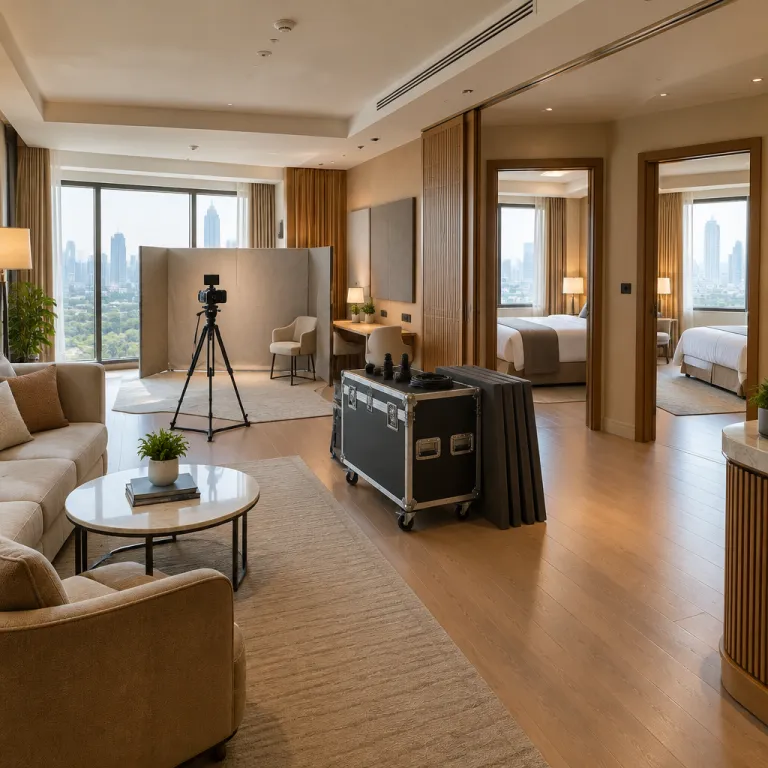
From two bedroom deluxe hotel suites to hybrid media coworking hubs
In Bangkok, the rise of the two bedroom deluxe hotel Bangkok suite as a flexible work base is quietly rewriting how hoteliers think about hybrid hospitality. When a property reimagines a generous two bedroom layout as a media coworking hub, it suddenly connects family style comfort with professional grade focus, which is exactly what asset managers and innovation leaders are seeking. This shift matters for operators who want every bedroom, corridor and cluster of public areas to work harder across both RevPAR and workspace revenue.
Properties such as Dusit Suites Hotel Ratchadamri or Shama Lakeview Asoke already show how a large two bedroom deluxe hotel Bangkok configuration can host both a family and a production team during the same trip. Their layouts, from a king bed in one luxurious bedroom to twin or queen bed options in the second bedroom, mirror the needs of project teams who need separation, privacy and fast reconfiguration. When these hotels in Bangkok add media ready amenities such as acoustic panels, dimmable lighting and robust power rails, the same room can shift from quiet sleeping zone to content studio without compromising guest comfort.
For coworking operators partnering with hotels Bangkok wide, the lesson is clear. Start by mapping which two bedroom units, serviced apartment floors or bedroom condo style layouts can be zoned as semi private media coworking suites, then check how close they sit to a BTS station or subway station to support daily commuting members. In a dense city such as Bangkok, proximity to the nearest BTS or train station can be as decisive for a media team as the quality of the swimming pool or the view from the pool deck.
Designing interior layouts that balance bedrooms, media work and privacy
Translating the comfort of a two bedroom deluxe hotel Bangkok suite into a media coworking product starts with zoning. Asset directors and designers must orchestrate the relationship between each bedroom, the central living room and any balcony or loggia so that sleeping, recording and collaboration can coexist, while still feeling luxurious. In practice, this means treating the apartment style layout as a small condo floor plate rather than a traditional hotel room corridor.
One effective approach is to dedicate the primary luxurious bedroom with a king bed to overnight guests or long stay users, while converting the second bedroom into a flexible media pod with modular desks, acoustic curtains and integrated screens. The living room of the suite, which already benefits from residential scale amenities, then becomes the social coworking lounge, with soft seating, a large table and direct visual connection to public areas such as the lift lobby or café. In properties like Citadines Sukhumvit 8 Bangkok, where two bedroom deluxe units already include a kitchenette, this central room can double as a hospitality grade pantry for coworking members during the day.
For hotel owners planning a full coworking rollout, a structured checklist is essential. A practical resource such as the operator’s checklist for setting up coworking in a hotel helps align design decisions with operational realities, from access control to cleaning flows. It also prompts teams to check technical constraints such as floor loading, ceiling heights and the routing of fresh air, which are critical when turning a quiet bedroom condo into a media heavy workspace with cameras, lighting rigs and multiple screens.
Work lobby, public areas and the role of pools in media coworking
While a two bedroom deluxe hotel Bangkok suite offers privacy, the real stage for media coworking often sits in the work lobby and adjacent public areas. These zones must support quick meetings, informal interviews and live streaming, while still feeling like part of a refined hotel Bangkok experience. The challenge for designers is to choreograph flows between the lobby, bar, restaurant and swimming pool terrace so that guests and members share space without friction.
In resorts Bangkok wide, the swimming pool has become more than a leisure feature; it is now a backdrop for content creation, brand events and social media campaigns. Hotels in Bangkok that frame their outdoor swimming pool with shaded work cabanas, power outlets and strong Wi Fi can host creators who move fluidly between a laptop session and a short filming break by the water. When several pools in Bangkok are visible from the lobby or café, they also provide a dynamic visual field that makes the coworking environment feel alive without becoming noisy.
Design guidance for zoning the work lobby is now highly specialized. Resources such as the practical design guide to concentration, collaboration and calls help hotel teams decide where to place quiet focus booths, where to host collaborative tables and how to buffer them acoustically from the bar or restaurant. For media coworking, this zoning must also consider sightlines to the pool, the nearest bar and the main entrance, so that filming and photography can occur without blocking circulation or compromising privacy for guests relaxing by the swimming pool.
Connectivity, transport and the extended stay media guest
Media coworking guests staying in a two bedroom deluxe hotel Bangkok suite behave more like extended stay residents than transient tourists. They care deeply about the commute between the hotel and key BTS or subway station nodes, because equipment and team members often move several times per day. For asset managers, this means that proximity to BTS Ekkamai, Asoke or other interchange hubs can be as valuable a selling point as the size of the swimming pool or the view from the rooftop bar.
Serviced apartment style properties such as Park 19 Hotel or Shama Lakeview Asoke already operate at the intersection of hotel and apartment living, with floor areas ranging from around 58 square metres to more than 150 square metres. These layouts suit media teams who need a mix of bedroom privacy, shared living room space and a compact kitchen, while still enjoying hotel amenities such as housekeeping, parking and a staffed reception. When such hotels Bangkok wide add a reliable shuttle service to the nearest BTS station or to the nearest airport, they become even more attractive to production companies juggling tight shooting schedules.
Transport connectivity also shapes how media coworking integrates with the broader Bangkok hotels ecosystem. Properties near Suvarnabhumi international airport or Don Mueang airport can position themselves as first night and last night bases for regional crews, while central hotels bangkok side can focus on long stays linked to studios and agencies. In both cases, clear wayfinding from the train station or subway station to the lobby, plus transparent information about parking, luggage handling and late night access, will influence whether a media team chooses one hotel over another for its next trip.
Pricing, asset strategy and the value of hybrid media suites
Turning a two bedroom deluxe hotel Bangkok suite into a hybrid media coworking product raises strategic questions about prices and positioning. Asset directors must decide whether to price these suites as premium hotel rooms, flexible apartments or semi private offices, each with different revenue and occupancy profiles. The most resilient strategies treat the suite as a multi use asset that can flex between family stays, corporate relocations and media coworking blocks across the year.
Data from operators in Bangkok indicates that larger suites with kitchenettes and strong amenities often achieve higher average length of stay, which stabilizes income even when transient demand softens. When a hotel can sell the same two bedroom layout as a luxurious bedroom condo style apartment for a month, then as a short term media coworking hub for a week, the blended yield per square metre often outperforms a standard hotel room. This is especially true in districts with strong BTS and subway station access, where corporate tenants value the ability to host both sleeping and working functions under one contract.
Strategic branding also matters. Independent hotels and boutique resorts Bangkok side can use media coworking to differentiate themselves from chain competitors, especially when they integrate curated public areas, art and pools Bangkok guests actually want to film. A detailed perspective on how independent branding and coworking media reshape chain affiliation is available in this analysis of independent hotel branding and coworking media, which is particularly relevant for owners weighing franchise versus soft brand options.
Operational realities inside media enabled two bedroom suites
Once the design and pricing of a two bedroom deluxe hotel Bangkok media suite are set, operations become the decisive factor. Housekeeping routines must adapt to heavier daytime use, with more frequent checks of cables, screens and movable furniture, while still protecting the privacy of long stay guests. Engineering teams need clear protocols for managing extra heat loads from lighting and equipment, especially in compact rooms where a king bed or queen bed sits close to work surfaces.
Front office and sales teams also require new scripts. They must be able to explain the difference between a standard hotel room, a serviced apartment and a media coworking suite, while guiding guests through options such as parking, shuttle service to the nearest BTS station and access to outdoor swimming areas. Clear communication about noise expectations, filming permissions in public areas and any restrictions around the swimming pool or bar will prevent misunderstandings between leisure guests and media crews.
Guest expectations are evolving quickly. As one common question in the accommodation market puts it, “How many guests can stay?” and the related answer, “Usually up to 4 adults or 4 adults plus child”, underline the need for precise capacity management in two bedroom units. When these suites double as media coworking hubs, operators must also check local regulations on filming, data protection and labour law, ensuring that the luxurious promise of a hotel bangkok stay remains compatible with the practical demands of a working production environment.
Key figures for media coworking in two bedroom suites
- Typical two bedroom deluxe layouts in Bangkok hotels range from about 58 square metres in compact residences to more than 150 square metres in luxury suites, giving designers significant flexibility for zoning work, sleep and social areas within a single unit.
- Many two bedroom suites in Bangkok can comfortably host up to four adults or four adults plus one child, which aligns well with the needs of small media teams or project squads seeking both privacy and shared space.
- Properties that combine kitchenettes, separate bedrooms and strong Wi Fi often report higher average length of stay than standard rooms, which stabilizes revenue and improves the long term return on investment for asset owners.
- Bangkok’s dual airport system, with Suvarnabhumi international airport and Don Mueang airport, allows hotels near major BTS and train station hubs to target both regional and long haul media travellers with tailored shuttle and transfer packages.
FAQ about media coworking in two bedroom hotel suites
How many guests can stay in a typical two bedroom deluxe suite used for coworking?
Most two bedroom suites in Bangkok are designed for up to four adults, or four adults plus one child, which suits small media teams or project groups. When used for coworking, operators should still respect the original capacity to avoid overloading services and amenities. Any extra day visitors should be registered and managed through clear access policies.
Do two bedroom media coworking suites usually include kitchen facilities?
Many two bedroom deluxe units in Bangkok, especially serviced apartment style properties, include a kitchenette or full kitchen. This is valuable for media teams who work irregular hours and need flexible catering options without relying solely on room service. It also supports longer stays, which improve occupancy stability for hotel owners.
Are views and outdoor spaces important for media coworking guests?
City or skyline views from a bedroom or living room can enhance the appeal of a media coworking suite, especially for content creators who film on site. Access to a terrace, balcony or swimming pool deck also provides varied backdrops for photography and video. Hotels should manage filming permissions carefully to protect the privacy of other guests in public areas.
How should hoteliers evaluate whether a two bedroom layout suits media coworking?
Owners should assess floor area, ceiling height, acoustic separation between bedrooms and living spaces, and proximity to lifts and public areas. Suites that already function as apartment style units with strong amenities and good BTS or subway station access are usually strong candidates. A pilot phase with a small number of media clients can validate demand before scaling.
What booking channels work best for media coworking stays in two bedroom suites?
Direct booking through the hotel website or sales team allows better control of prices, capacity and special requirements such as equipment storage or late check out. Travel agents and corporate booking tools can still play a role for larger companies, but media teams often prefer direct negotiation. Clear product descriptions that distinguish between standard rooms, apartments and media coworking suites are essential across all channels.