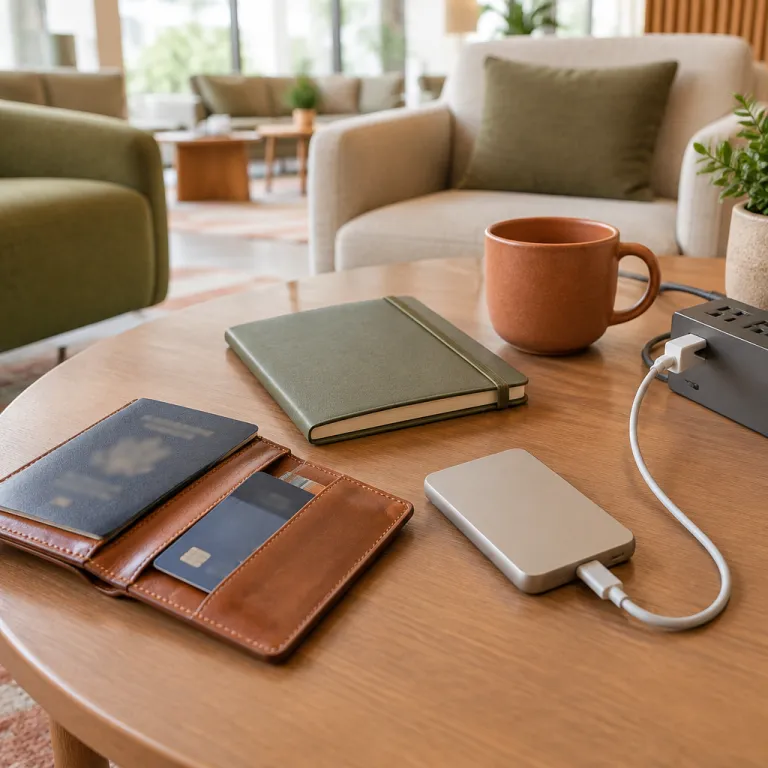
From guest amenity to workspace promise: why hotel Wi-Fi must grow up
When a hotel sells a day pass, a coworking desk or a lobby workspace, it is no longer just offering casual connectivity. The property is implicitly promising that the hotel workspace Wi-Fi data privacy security posture is robust enough for confidential work, even if the original guest network was never engineered for that level of protection. That gap between marketing promise and actual network security design is where sensitive data, employee identities and business reputations are most exposed.
Traditional guest Wi-Fi was built for streaming, social media and light email, not for lawyers reviewing mergers, consultants handling personal data or founders managing payroll for a small business. In many hotels, the same flat network still carries guest devices, back office systems and sometimes even operational software, which multiplies security risks and makes unauthorized access easier for a determined attacker. When coworking spaces appear in the lobby or on a dedicated floor, operators often just extend that same network, rather than implement appropriate access controls that keep sensitive data and digital identities properly segmented.
For hotel tech and innovation leaders, the shift to workspace means treating connectivity as critical infrastructure, not a free amenity. You need to keep an eye on how many devices connect, what level of remote access they require and how long their data remain visible in logs or captive portal databases. The moment you charge for a desk, sell a meeting room subscription or sign a corporate workspace contract, your hotel workspace Wi-Fi data privacy security baseline becomes part of a client’s risk assessment, even if they never say it out loud.
Why a standard guest network is not a workspace grade network
Most legacy guest networks were deployed with convenience first and security practices second, which is understandable for short leisure stays but problematic for coworking use. A typical configuration allows broad access from guest devices to the internet through a single shared SSID, with minimal network security segmentation and a basic captive portal that was designed to collect email addresses rather than protect sensitive data. In that model, hotels often do not keep detailed logs or do not collect explicit consent for how personal data will be processed, which becomes a liability when the same network supports structured workspace products.
Workspace grade connectivity requires more than a branded splash page and a fast pipe. You need separate virtual LANs for coworking zones, encrypted management traffic for employee devices and clear access controls that prevent lateral movement if one device is compromised. The captive portal for workspace users should be treated as a digital front desk, where you implement appropriate identity verification, explain data privacy terms in plain language and keep only the minimum personal data required for billing and security, rather than don keep every identifier indefinitely.
Hotels that position themselves as hybrid hospitality hubs also need to rethink how their software stack supports these requirements. Flex office and workspace management platforms, such as those discussed in analyses of how flex office software elevates media coworking in hotels on Hotel Coworking, can integrate authentication, booking and billing with network access, so that only authorized employees and guests reach the coworking SSID. This is where hotel workspace Wi-Fi data privacy security becomes a product feature, not an afterthought, because the network, the captive portal and the workspace software all work together to keep data stolen scenarios rare and data breaches contained.
Segmentation, encryption and captive portals that actually reduce exposure
Turning a lobby into a coworking hub without redesigning the network is like adding a trading floor to a café and keeping the same cash drawer. To align hotel workspace Wi-Fi data privacy security with workspace expectations, start with hard segmentation between guest, coworking and internal operational networks, using VLANs and firewalls to keep traffic isolated. That way, even if one device is compromised, sensitive data from another zone remain out of reach and the blast radius of any incident shrinks dramatically.
Encryption must be treated as non negotiable for both wireless and management traffic. Use enterprise grade Wi-Fi security with per user credentials for coworking members, rather than a single shared password that employees and guests circulate informally, and enforce strong passwords with rotation policies that match your risk profile. For remote access to property systems, ensure VPNs and multi factor authentication are standard, so that unauthorized access from a compromised laptop in the lobby cannot pivot into your PMS, POS or unified hotel operating system, especially as more properties explore platforms like the unified hotel OS models discussed in Mews Unfold coverage on Hotel Coworking.
The captive portal is often the weakest link, because it was originally designed to collect marketing data, not to protect personal data. Rebuild it as a secure identity layer that explains what you collect, why you collect it and how long those data remain in your systems, and make sure you do not collect more than you need. A well designed captive portal for coworking users can keep eye level clarity on consent, align with guidance from your preferred government site on data privacy and turn a potential security risk into a visible reassurance that your security practices match your workspace brand.
Liability, contracts and what happens when data are compromised on site
When a consultant’s laptop is compromised on your property, the first question from their client is rarely about the décor. They want to know whether the hotel workspace Wi-Fi data privacy security setup contributed to the incident, and whether any sensitive data or personal data from their project might have been exposed. For operators, that means understanding where your responsibility starts and ends, and making sure your terms of access and acceptable use policies reflect that reality without hiding behind vague disclaimers.
Most hotels position Wi-Fi as a best effort service, not a guaranteed secure network, but that stance becomes harder to defend when you actively market coworking memberships, sell workspace to corporate travel managers or sign recurring contracts with small business clients. Your access terms should clearly state what security measures you implement, what you do not guarantee and what users must do on their own devices, such as maintaining strong passwords, up to date software and endpoint protection. When you negotiate corporate workspace contracts, especially those focused on selling to the travel manager rather than the individual traveller as explored on Hotel Coworking, expect procurement and IT teams to ask detailed questions about network security, access controls and how you handle data breaches.
In the event of an incident, your ability to show that you implemented appropriate safeguards and followed recognized security practices will shape both legal exposure and reputational damage. Document how you segment the network, how the captive portal handles identity, what logs you keep and how long those data remain stored, and which government site guidance or industry frameworks you align with. That documentation will not eliminate all liability, but it will demonstrate that you did not keep a flat, insecure network while selling a workspace product that implied confidentiality, which is often the difference between a manageable incident and a lasting trust deficit.
Physical exposure in digital workspaces: sightlines, screens and spoken data
Data privacy in hotel coworking is not only about packets crossing the network. The same hotel workspace Wi-Fi data privacy security promise that reassures a general counsel also needs to cover what happens in the physical space, where screens, printouts and conversations can leak sensitive data just as easily as a misconfigured router. Hybrid hospitality design that celebrates openness and visibility must therefore be balanced with zones that protect confidentiality for employees and external guests handling critical business information.
Start by mapping sightlines from entrances, lifts and bars into your coworking and lobby work areas. If a guest can read a laptop screen full of personal data while queuing for coffee, your layout is undermining even the strongest network security, and no captive portal or software control will fix that. Use furniture, acoustic panels and partial partitions to create micro zones where small business teams can work on sensitive data without feeling exposed, and equip these areas with privacy filters, phone booths and signage that nudges users to keep eye level awareness of what is visible and audible.
Operationally, train every employee who interacts with workspace users to understand that confidentiality is part of the product, not a nice to have. Front desk and coworking hosts should know when to offer a more secluded seat, how to handle printed documents left behind and how to respond if a guest reports that their screen was photographed or their device was tampered with. Physical access controls, such as keycard restricted floors or coded meeting rooms, complement digital access controls on the network, ensuring that data remain protected both in transit and in the very human moments when someone steps away from a laptop to take a call.
A practical hardening checklist for hotels selling workspace
Turning hotel workspace Wi-Fi data privacy security from a risk into a selling point requires a structured hardening plan. Start with a full network audit that identifies every SSID, every VLAN and every system connected, from guest devices to back office servers, and map where sensitive data might flow or be stored. Use that audit to define clear zones for coworking, guest and operational traffic, and to decide where you must implement appropriate firewalls, intrusion detection and logging.
Next, redesign your captive portal and authentication flows for workspace users. Replace generic forms that only collect email addresses with identity aware flows that explain data privacy terms, limit what personal data you collect and align with your legal team’s interpretation of relevant regulations, referencing guidance from at least one trusted government site. Enforce strong passwords or certificate based authentication for recurring members, and ensure that remote access to your own systems from employee laptops uses VPNs and multi factor authentication, so that unauthorized access is blocked even if a device is lost or data are stolen.
Finally, embed security practices into daily operations and vendor management. Train employees to recognize phishing attempts that target shared coworking printers or meeting room displays, and to escalate any suspected data breaches quickly so that data remain contained and incident response can start. Require your workspace and network software vendors to meet clear network security standards, document how long they keep logs and what they do not keep, and schedule regular reviews to keep eye level visibility on evolving security risks as your coworking business grows from a few lobby tables to a core revenue stream.
Key figures on hotel workspaces, Wi-Fi and data privacy risk
- According to a report from the Ponemon Institute, the average cost of a data breach in the hospitality sector has been estimated in the multi million dollar range per incident, which underlines how a single compromised network in a hotel coworking space can erase years of incremental workspace revenue.
- Research from Verizon’s Data Breach Investigations Report has consistently shown that a significant share of breaches involve stolen or weak credentials, which reinforces the need for strong passwords, multi factor authentication and disciplined access controls on hotel coworking networks.
- Surveys of remote workers by various industry analysts have found that a large proportion of employees use public or semi public Wi-Fi for confidential work tasks, which means that hotels positioning themselves as workspace providers are already hosting sensitive data flows, whether or not they formally sell coworking products.
- Studies from cybersecurity firms tracking small business incidents indicate that many smaller companies lack formal policies for using hotel or café Wi-Fi, which increases the likelihood that data are stolen or exposed when their teams rely on ad hoc hotel workspaces during travel.
- Regulatory enforcement actions in multiple jurisdictions have highlighted failures to protect personal data collected through guest Wi-Fi portals, showing that even basic captive portal misconfigurations can lead to fines and mandated remediation for hospitality operators.
FAQ: hotel workspaces, shared Wi-Fi and data privacy
Is standard hotel Wi-Fi safe enough for confidential coworking use ?
Standard hotel Wi-Fi is usually designed for convenience, not for handling sensitive data or regulated personal data, so it rarely meets the expectations of corporate IT teams for a secure workspace. Without segmentation, strong passwords and clear access controls, the risk of unauthorized access or data breaches is higher than in a dedicated office network. Hotels selling coworking products should therefore upgrade their network security and clearly explain the protections in place to business clients.
What should hotels change in their captive portals for workspace users ?
For workspace users, captive portals should move beyond simple email capture and act as a transparent identity and consent layer. Hotels need to explain what personal data they collect, why they collect it and how long those data remain stored, and they should avoid designs that don collect unnecessary information. Integrating the captive portal with workspace management software also helps ensure that only authorized users gain access to the coworking network.
How can corporate clients assess a hotel’s workspace security level ?
Corporate clients should ask hotels for a brief description of their network architecture, including segmentation between guest, coworking and operational systems. They should also request information on security practices such as encryption, access controls, incident response and how the hotel handles data breaches involving devices used by employees on site. When possible, they can compare the hotel’s approach with guidance from a relevant government site or industry framework to gauge maturity.
Do hotels become liable if a guest’s data are stolen on their Wi-Fi ?
Liability depends on local law, contract terms and whether the hotel implemented appropriate safeguards for its network. If an investigation shows that the hotel maintained a flat, insecure network while marketing a secure coworking environment, exposure to claims will be higher. Clear terms of access, documented security controls and prompt response to incidents all help reduce legal and reputational damage.
What practical steps can hotels take to protect both digital and physical privacy ?
Hotels can combine network security upgrades with thoughtful space design and staff training. On the digital side, they should segment networks, enforce strong passwords, secure remote access and modernize captive portals to respect data privacy. Physically, they should manage sightlines, provide semi private zones and phone booths, and train employees to keep eye level awareness of situations where screens, printouts or conversations might expose sensitive information.
References
- Ponemon Institute – Cost of a Data Breach Study, hospitality sector analysis.
- Verizon – Data Breach Investigations Report, multi year findings on credential and network attacks.
- National Institute of Standards and Technology (NIST) – Cybersecurity Framework guidance for risk based security controls.