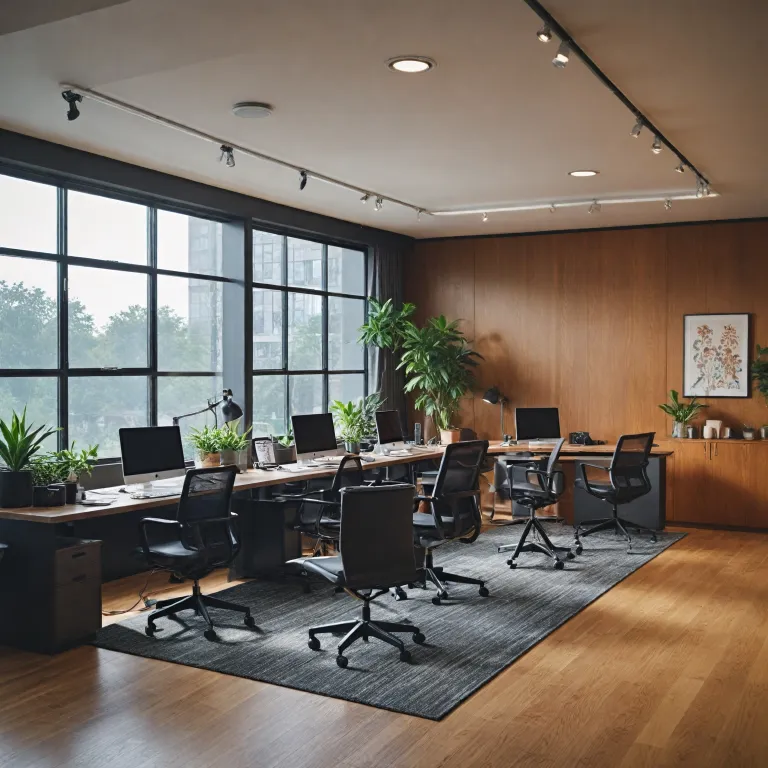
Media coworking in hotels as the new hub office suites paradigm
Media coworking in hotels is emerging as a refined version of the hub office suites model, tailored to hospitality assets. For hotel operators and asset directors, these hybrid offices and rooms are no longer side projects but strategic spaces that activate underused floors and generate recurring business revenue. The shift aligns with corporate expectations for flexible office space, on demand meeting rooms, and virtual collaboration capabilities integrated directly into the guest journey.
Across the United States, brands such as The Hub Executive Suites in Temple and The Hub on 4th in Katy illustrate how a modern office can be curated as a service rather than a static lease. Their private offices, conference rooms, and shared spaces show hotel owners how to reimagine rooms and public areas as productive work environments instead of purely transient places. When this thinking is transposed into hotels, the property itself becomes a hub for work, media production, and business networking.
For innovation leaders and coworking operators, the hub office suites approach inside hotels offers a wide range of monetization levers. Day passes, recurring memberships, virtual office services, and bookable office space can coexist with traditional room nights and events. This blended model also supports HR and corporate real estate teams seeking a prime location close to government services, transport, and a variety restaurants, while maintaining access to professional grade meeting and media rooms.
What amenities are typically offered at 'The Hub' office suites? How can I contact 'The Hub' office suites for more information? Are 'The Hub' office suites suitable for small businesses and solo professionals?
Designing hotel coworking as a network of flexible hub office suites
Designing media coworking in hotels as a network of hub office suites requires a precise reading of existing offices, rooms, and circulation spaces. Asset managers must map which rooms can be converted into private offices, which spaces can host conference rooms, and which transitional areas can become informal collaboration space. The objective is to create a coherent office space ecosystem that feels intentional rather than a patchwork of repurposed guestrooms.
In practice, this means zoning the property into quiet work areas, media production rooms, and social spaces that support informal meeting and networking. The Office Hub in Shreveport, with its dedicated desks, chat rooms, and conference rooms, offers a useful reference for how to layer different work typologies. Within a hotel, these typologies can be distributed across mezzanines, underused banqueting levels, or wings with direct access to the lobby and food and beverage outlets.
For coworking operators partnering with hotels, the hub office suites concept also extends to digital infrastructure and virtual services. Clients increasingly expect to book online, manage access through apps, and integrate their online network with on site work experiences. Comparing hotel coworking spaces and offices for flexibility, cost, and business impact requires a clear articulation of lease terms, service levels, and the added value of being located downtown in a vibrant business district.
When the design is successful, the hotel becomes a professional place where guests, local businesses, and remote teams can work, meet, and host media content production. This reinforces the property’s role as a central hub in the urban fabric, particularly in secondary cities such as leesburg or regional capitals in virginia. It also positions the hotel as a long term partner for corporate clients seeking resilient, flexible office and meeting solutions.
Operational models that align hotel P&L with the hub office suites logic
Translating the hub office suites philosophy into hotel operations requires careful calibration of pricing, staffing, and service standards. Traditional room revenue management must coexist with dynamic pricing for office space, conference rooms, and private offices sold by the hour, day, or month. Operators need clear lease terms and membership structures that differentiate between transient users, local SMEs, and enterprise clients with recurring work patterns.
One effective approach is to treat coworking and media spaces as a distinct but integrated business line within the hotel. This line can bundle access to offices, meeting rooms, and virtual office services with food and beverage credits, wellness facilities, or accommodation. The Hub on 3rd in Rochester, with its mix of private offices, a bookable conference room, and virtual memberships, illustrates how a wide range of products can be orchestrated under a single brand.
For HR leaders and corporate real estate teams, the ability to book online, schedule tour slots, and adjust office space usage month by month is particularly attractive. They value a prime location in the business district, proximity to government services, and a variety restaurants for client entertaining. Hotels that can articulate these advantages clearly, and that invite prospects to tour today rather than commit to long leases, gain a competitive edge over conventional serviced offices.
Operationally, this requires front office teams trained to handle both guest check in and professional coworking enquiries. Clear signage, digital access control, and a dedicated contact point for business clients help maintain a professional atmosphere in every office, room, and shared space. Over time, the hotel can refine its mix of private office suites, open coworking spaces, and media rooms based on occupancy data and feedback from enterprise users.
Media production, virtual collaboration, and the extended workplace in hotels
Media coworking in hotels adds another layer to the hub office suites model by integrating content creation and virtual collaboration into the core offer. Beyond classic offices and meeting rooms, hotels can dedicate rooms as podcast studios, video conference rooms, or hybrid event spaces with broadcast quality equipment. These spaces support both in person work and virtual participation, enabling companies to host launches, training, or town halls without leaving the property.
For innovation leaders, this convergence of physical space and virtual capability turns the hotel into a distributed office node within a wider corporate network. Teams can work on site, connect online with colleagues in other cities, and use the hotel as a neutral place for cross functional workshops. Properties located downtown in cities like leesburg or regional hubs in virginia can leverage their proximity to government services and the business district to attract public sector and media clients.
To make this viable, hotels must ensure robust connectivity, acoustic treatment, and intuitive interfaces in every media oriented office space. Clients expect to book online, access rooms seamlessly, and contact support quickly if issues arise during a live broadcast or virtual meeting. Case studies from modern office environments such as The Hub at Whisman in Mountain View show how connected indoor and outdoor spaces can foster innovation, and similar principles can be adapted to hospitality settings.
For HR and corporate real estate teams, these capabilities support hybrid work policies by offering employees a professional place to work near home while staying connected to global teams. The ability to schedule tour visits, evaluate private offices, and test conference rooms before committing to flexible lease terms reassures risk conscious decision makers. Over time, the hotel becomes part of the company’s extended workplace portfolio, alongside headquarters, regional offices, and home working arrangements.
Location strategy, guest mix, and the business case for hotel based hub office suites
Location remains a decisive factor when integrating the hub office suites concept into hotels. Properties located downtown, close to transport hubs, government services, and a variety restaurants, are naturally positioned to attract a mix of transient guests and local business users. For asset directors, this dual demand underpins a robust business case for investing in office space, conference rooms, and private offices within the property.
In secondary markets such as leesburg or regional centers in virginia, hotels can become the de facto business district hub by offering high quality offices and meeting spaces. Local SMEs, consultants, and remote employees gain access to a professional place to work without commuting to larger cities. By promoting flexible lease terms, day passes, and the option to book online, hotels can capture demand that would otherwise flow to traditional serviced offices or informal cafés.
For coworking operators, partnering with hotels offers immediate access to hospitality grade services, housekeeping, and food and beverage infrastructure. This allows them to focus on curating the work experience, from modern office design to community programming and professional networking events. Articles on elevating productivity in hotel coworking, such as analyses of Herald Square style office space for modern hospitality, underline how carefully designed spaces can enhance both guest satisfaction and business performance.
From an HR and corporate real estate perspective, the ability to schedule tour visits, evaluate private office options, and negotiate tailored lease terms is crucial. Companies seek a wide range of configurations, from individual office rooms to larger spaces for project teams or media production. When hotels can articulate these options clearly and provide a single contact for corporate clients, they strengthen their position as long term partners in the evolving workplace ecosystem.
Governance, partnerships, and risk management for media coworking in hotels
Embedding media coworking and the hub office suites model into hotels requires robust governance and carefully structured partnerships. Asset owners must define whether they will operate offices and coworking spaces directly, franchise the concept, or partner with specialized operators under management agreements. Each option carries different implications for lease terms, capital expenditure, and control over the guest and work experience.
For hotel operators, partnering with established brands such as The Hub Executive Suites, The Hub on 4th, or The Office Hub can accelerate market entry. These partners bring expertise in configuring office space, conference rooms, and private offices, as well as digital platforms to manage book online journeys and virtual memberships. Clear service level agreements should define responsibilities for maintenance, security, and professional support, ensuring that every office, room, and shared space meets both hospitality and workplace standards.
Risk management also extends to data security, health and safety, and reputational considerations. Media coworking spaces often host sensitive business discussions, virtual board meetings, and content production, requiring secure networks and controlled access. Hotels must provide a reliable contact point for corporate clients, transparent policies on cancellations and schedule tour procedures, and contingency plans for technical failures during critical online events.
For HR leaders and corporate real estate teams, these governance structures translate into confidence that the hotel is a safe, professional place for employees to work. They can integrate hotel based hub office suites into their workplace strategies, balancing headquarters, regional offices, and flexible spaces located downtown in key business districts. Over time, well governed partnerships can transform hotels into trusted nodes within a distributed, media enabled workplace network.
Key statistics on media coworking and flexible office adoption
- Flexible office and coworking spaces in hospitality assets have recorded double digit annual growth in occupied square metres in major European and North American cities.
- Hotels that integrate coworking and media production spaces typically report higher ancillary revenue per available room compared with comparable properties without such facilities.
- Corporate real estate surveys indicate that a significant share of large companies plan to increase their use of flexible office space, including hotel based solutions, over the next planning cycle.
- Hybrid work policies have led to a measurable reduction in traditional long term office leases, with part of the demand shifting toward serviced offices, coworking, and hotel based hub office suites.
Frequently asked questions about media coworking in hotels
How can hotel operators assess whether media coworking is suitable for their property ?
They should analyse existing demand from local businesses, remote workers, and corporate clients already using their meeting rooms and event spaces. A feasibility study can evaluate potential occupancy for offices, coworking spaces, and media rooms, as well as required investment. Properties located downtown, near business districts and government services, are generally better positioned to support a sustainable hub office suites offer.
What types of companies typically use hotel based hub office suites ?
Users range from freelancers and small media agencies to regional teams of large corporations implementing hybrid work policies. Public sector organisations and NGOs may also value proximity to government services and the ability to host confidential meetings in professional rooms. Many clients appreciate the option to book online, combine office space with accommodation, and access a variety restaurants and services within walking distance.
How should hotels price coworking and office products alongside traditional rooms ?
Revenue managers can create a separate pricing grid for office space, conference rooms, and private offices, using dynamic pricing principles similar to those applied to guestrooms. Bundled offers that combine day passes, meeting credits, and food and beverage allowances can increase perceived value. Transparent lease terms and the ability to schedule tour visits before commitment help corporate clients compare options with conventional offices.
What operational challenges arise when integrating coworking into hotels ?
Key challenges include training staff to handle both hospitality and workplace needs, managing access control for offices and shared spaces, and ensuring reliable connectivity for virtual meetings. Noise management and zoning are critical to avoid conflicts between leisure guests and professionals using media rooms or open coworking areas. Clear communication, dedicated contact points, and well defined service standards mitigate most operational risks.
How can coworking operators and hotels structure successful partnerships ?
Partnerships should clarify brand roles, investment responsibilities, and revenue sharing mechanisms for offices, coworking spaces, and media rooms. Service level agreements must cover cleaning, security, technical support, and customer service for both hotel guests and coworking members. Regular performance reviews allow both parties to adjust the mix of private offices, open spaces, and meeting rooms in line with evolving demand.