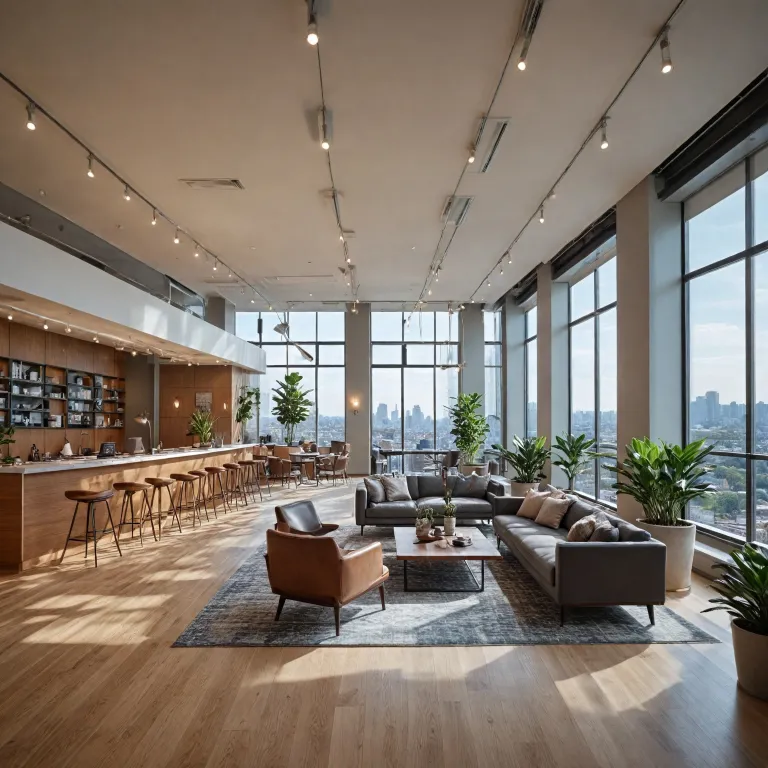
Hotel media coworking as the new frontier for wework competitors
Hotel based media coworking is emerging as a discreet but powerful answer to the limits of traditional coworking spaces. For asset managers and hotel operators, this shift reframes the competitive set of wework competitors around hospitality grade service, diversified revenue, and risk balanced real estate models. As companies refine hybrid work policies, hotels that convert underused areas into flexible workspaces can rival any urban coworking space while preserving their core lodging identity.
In this context, the notion of flexible workspace becomes less about a generic office and more about curated workplace experiences embedded in hotels. Global players such as IWG, Spaces, Industrious, and Ucommune already operate thousands of locations, yet hotel based coworking spaces offer a differentiated proposition for businesses seeking privacy, hospitality, and convenient access. For remote workers and project teams, the ability to move seamlessly between room, lobby, restaurant, and coworking space creates a fluid workday that classic offices rarely match.
The recent wework bankruptcy has accelerated conversations among hotel owners about risk, long term leases, and alternative coworking companies. Many operators now benchmark wework alternatives not only on design and services, but also on management contracts, shared revenue models, and operational resilience. Within this landscape, hotel media coworking spaces flexible enough to host content creation, meetings, and events can position themselves as agile wework competitors that leverage existing hotel infrastructure rather than building new office spaces from scratch.
Strategic positioning of hotel coworking among global wework competitors
For hotel owners, the real question is how hotel coworking spaces sit within the global map of wework competitors. IWG, through Regus and Spaces, operates several thousand locations and remains the largest coworking reference point for corporate real estate teams. Industrious, with its premium office environments and shared revenue agreements, has become a preferred partner for landlords wary of long term office space leases after the wework bankruptcy episode.
Hotel based coworking spaces can align with these coworking companies or position themselves as independent wework alternatives focused on hospitality led service. Partnerships with operators such as Industrious, Spaces, Impact Hub, or Office Evolution allow hotels to plug into established coworking spaces networks while keeping control of the asset. For asset managers, this hybrid work strategy can de risk occupancy, as coworking space demand complements transient guests, meetings, and events.
Choosing the right operator for hotel based coworking space concepts in the United States requires careful benchmarking of wework competitors. Decision makers can review detailed guidance on which coworking space operators to choose in the United States for hotel based media coworking strategies and align it with their own workplace and office spaces strategy. The goal is to integrate flexible workspaces and private offices that serve both resident companies and traveling professionals, while ensuring that meeting rooms and conference rooms are programmed to maximize revenue per square metre.
Designing hotel media coworking spaces for hybrid work and content creation
Media coworking in hotels requires a different design logic from classic coworking spaces or conventional offices. Operators must orchestrate a mix of quiet workspace zones, acoustically treated meeting rooms, and flexible office spaces that can host podcasts, webinars, and video shoots without disturbing hotel guests. This approach transforms underused function rooms into productive workspaces while preserving the hotel’s core hospitality DNA.
Hybrid work has changed how companies and employees think about workplace and office space usage. Remote workers may need a coworking space for two days per week, while project teams require meeting rooms and conference rooms for intense sprints, and executives still expect private offices or suites. Hotel based coworking spaces flexible enough to reconfigure layouts daily can respond to these patterns better than many traditional offices locked into long term layouts.
From a technical standpoint, media oriented coworking spaces in hotels must integrate robust connectivity, soundproofed rooms, and lighting suitable for professional content. This is where hotel operators can learn from wework competitors such as Industrious or Impact Hub, which have refined premium office and workspace standards. By combining these benchmarks with hospitality services, hotels can offer a flexible workspace that appeals to both creative businesses and established companies seeking wework alternatives for their distributed teams.
Revenue models, risk sharing, and lessons from the wework bankruptcy
The wework bankruptcy has become a reference point for every hotelier evaluating coworking space strategies. Traditional long term leases on large office spaces exposed operators to demand shocks, while landlords carried significant real estate risk when occupancy dropped. In response, many coworking companies, notably Industrious, shifted toward shared revenue management agreements that align incentives between operator and owner.
Hotel based coworking spaces can adopt similar models, positioning themselves as prudent wework competitors that prioritize financial resilience. Instead of fixed rent, operators and hotel owners share income from coworking spaces, private offices, meeting rooms, and conference rooms, smoothing volatility across business cycles. This approach also encourages both parties to invest in marketing to remote workers, local companies, and traveling businesses that value flexible workspaces and hybrid work options.
For asset managers, integrating coworking space into a hotel’s real estate strategy diversifies revenue beyond rooms and F&B. A well run flexible workspace can attract companies seeking wework alternatives that combine workplace quality with hospitality services and reliable access to meeting rooms. Over time, this mix of transient guests, long term office users, and event clients can stabilize cash flows and position the property as a local hub for work, collaboration, and content production.
Operational integration between hotel teams and coworking companies
Operational success in hotel media coworking depends on seamless collaboration between hotel équipes and any partnered coworking companies. Front office, events, and F&B teams must understand the specific needs of coworking spaces users, from early access to meeting rooms to tailored coffee breaks for conference rooms. When managed well, this integration turns the hotel into a coherent workplace ecosystem rather than a collection of disconnected spaces.
Many wework competitors have built strong playbooks around community management, member engagement, and flexible workspace operations. Hotels can adapt these methods to their own context, training staff to support remote workers, local companies, and long term office users with the same care as overnight guests. This includes managing bookings for coworking spaces, private offices, and meeting rooms through unified systems that provide clear visibility on office space and workspace availability.
Knowledge sharing with established wework alternatives such as Impact Hub, Office Evolution, or Spaces can accelerate this learning curve. As one industry overview notes, “IWG (Regus) is the largest co-working space provider globally, operating over 3,500 locations across more than 120 countries.” This scale demonstrates the maturity of flexible office and flexible workspaces operations, offering hotel operators a rich benchmark when designing their own workplace and coworking space standards.
Why hotel media coworking appeals to companies, HR leaders, and remote workers
For corporate real estate and HR leaders, hotel media coworking offers a pragmatic alternative to traditional offices and classic wework competitors. Companies can secure access to flexible workspace in strategic locations without committing to large office spaces or long term leases. This is particularly attractive for hybrid work models, where teams rotate between home, central workplace hubs, and local coworking spaces near employees’ homes.
Remote workers benefit from professional workspaces that combine the comfort of hospitality with the functionality of a modern office. They can book coworking space desks, private offices, or meeting rooms as needed, while enjoying hotel amenities that elevate the workplace experience. For businesses managing distributed teams, hotel based coworking spaces flexible enough to host quarterly offsites, training sessions, and content production become valuable wework alternatives.
From a talent perspective, HR leaders see hotel coworking spaces as tools to support well being, collaboration, and employer branding. Offering employees access to curated workspaces, conference rooms, and office space in high quality hotels signals a commitment to flexible work and autonomy. When compared with traditional wework competitors, this blend of real estate efficiency, workplace quality, and hospitality service can strongly influence how companies design their future network of offices, workspaces, and coworking spaces worldwide.
Key performance indicators and next steps for hotel based wework competitors
To evaluate hotel media coworking as a credible member of the wework competitors landscape, owners must define clear KPIs. Beyond occupancy of coworking spaces and private offices, they should track revenue per square metre, meeting rooms utilization, and the share of hotel guests using workspace services. These metrics help quantify how flexible workspace and hybrid work offerings contribute to overall real estate performance.
Digital tools can further enhance the workplace proposition by simplifying access to coworking space, office space, and conference rooms. Online booking engines, mobile keys, and integrated billing allow companies and remote workers to move fluidly between rooms, workspaces, and events. For asset managers, this data rich approach clarifies which wework alternatives, from Industrious to Impact Hub or Office Evolution, offer the best operational benchmarks for hotel based coworking spaces.
In the middle of this strategic reflection, hotel leaders can study how hotel based coworking spaces elevate work, revenue, and guest experience to refine their own workplace roadmap. By aligning hospitality strengths with the proven models of leading coworking companies, hotels can become agile wework competitors that serve companies, businesses, and remote workers with a portfolio of offices, workspaces, and flexible office solutions adapted to the next era of work.
Key statistics on global coworking and flexible workspaces
- IWG operates more than 3 500 flexible workspace locations across over 120 countries, making it the largest coworking provider worldwide.
- Industrious manages approximately 150 premium office locations in the United States through shared revenue agreements with landlords.
- Ucommune maintains a presence in more than 30 cities globally, including major hubs such as Shanghai, Singapore, Hong Kong, and New York City.
- Shared revenue management agreements are increasingly adopted to reduce real estate risk compared with traditional long term leases.
Frequently asked questions about hotel media coworking and wework competitors
What is the largest coworking provider compared with hotel based operators ?
IWG, through brands such as Regus and Spaces, is currently the largest coworking provider globally, with several thousand locations. Hotel based coworking operators are smaller in footprint but can compete on service quality, hospitality, and strategic locations. For many companies, this combination of flexible workspace and hotel amenities offers a compelling alternative to classic wework competitors.
How did Industrious change its model and what can hotels learn ?
Industrious shifted from traditional long term leases to shared revenue management agreements, keeping landlords as leaseholders while it manages operations. This structure reduces real estate risk and aligns incentives between owner and operator. Hotel owners can adopt similar agreements for coworking spaces, private offices, and meeting rooms to create resilient flexible workspaces.
Why are hotel coworking spaces relevant for hybrid work strategies ?
Hybrid work requires a network of workspaces that combine offices, coworking spaces, and remote options. Hotel coworking spaces provide professional workplace environments close to transport hubs, with meeting rooms and conference rooms available on demand. This flexibility helps companies reduce fixed office space while maintaining high quality work environments for employees.
How does the wework bankruptcy influence hotel coworking decisions ?
The wework bankruptcy highlighted the risks of large long term leases on office spaces in volatile markets. Hotel owners now scrutinize the financial models of wework competitors and favor shared revenue or management agreements. This encourages more cautious real estate strategies and supports the growth of hotel based flexible workspace concepts.
What types of companies benefit most from hotel media coworking ?
Media firms, project based teams, and distributed companies with strong hybrid work policies gain particular value from hotel media coworking. They can access coworking spaces, private offices, and meeting rooms in key locations without committing to permanent offices. This model also suits remote workers and SMEs seeking wework alternatives that combine workplace quality with hospitality services.