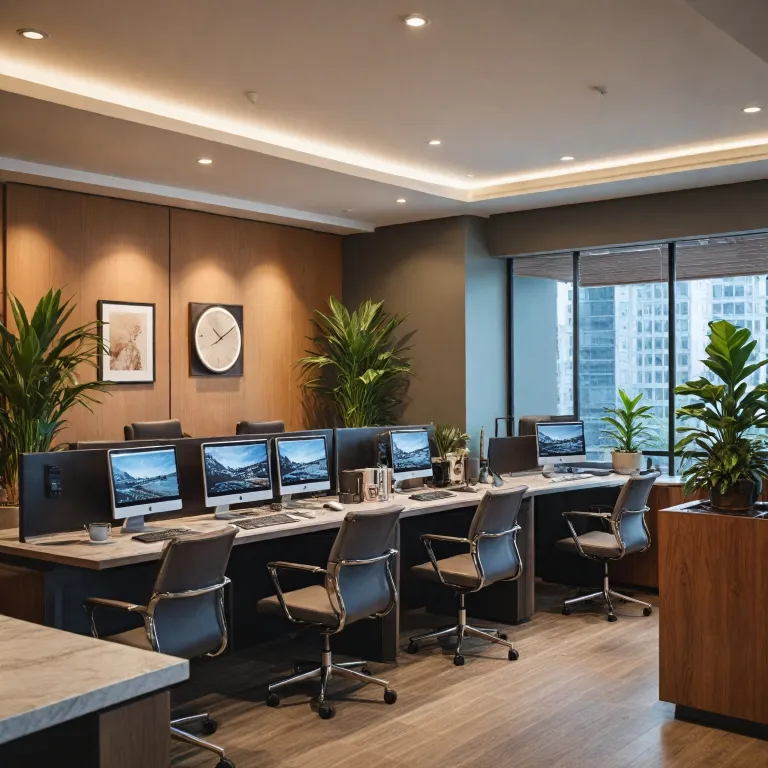
Understanding what coworking means for hotels and corporate users
To understand what coworking really is, hotel leaders must first see it as a work arrangement rather than a décor trend. At its core, coworking is an arrangement where individuals from different companies share a common workspace, using a shared workspace model that optimizes office space, services, and community. This shift from a traditional office to a flexible workspace is now reaching hotels, where underused lounges, meeting rooms, and corridors can become productive coworking spaces.
For exploitants hôteliers and asset managers, the question is not only what coworking is, but what coworking can do for RevPAR, ancillary revenue, and real estate value. Coworking spaces in hotels transform idle square meters into flexible space that attracts freelancers, startups, and remote workers alongside corporate guests, creating new business segments. These coworking space concepts also help companies and HR leaders support hybrid work policies by offering employees professional desks and office amenities closer to home or travel destinations.
In practice, coworking spaces offer shared infrastructure such as high speed internet, printers, phone booths, and meeting rooms, while hotel teams contribute hospitality standards and service culture. Members can book a coworking space for a day, a month, or as part of a corporate agreement, accessing both workspace and hotel services like F&B, wellness, and accommodation. For remote workers and small businesses, this combination of workspace and hospitality creates a community that supports productivity, networking, and well being in ways a traditional office rarely matches.
Media coworking in hotels as a strategic asset class for hospitality
Média coworking dans les hôtels refers to coworking spaces specifically designed for content creation, digital production, and media oriented working within hotel properties. These coworking spaces integrate phone booths, podcast studios, video friendly meeting rooms, and acoustically treated private offices into the hotel’s office space mix. For hotel owners and directeurs d’actifs, this approach positions the property as a flexible workspace hub for creative businesses and remote workers in major cities and secondary markets alike.
From a space management perspective, media focused coworking space concepts allow hotels to monetize corridors, mezzanines, and underused conference areas as flexible space. With the right management software, operators can sell desks, meeting room slots, and shared workspace passes by the hour, day, or month, aligning pricing with demand peaks from events, trade fairs, and corporate travel. This data driven space management also supports better decisions about real estate investments, refurbishment priorities, and the balance between rooms, F&B, and office functions.
For companies and HR leaders, media coworking spaces offer a professional alternative to home based remote work, especially for teams producing video, audio, or digital campaigns. Employees can work in a coworking space that provides reliable connectivity, ergonomic desks, and quiet phone booths, while still enjoying hotel level service and security. When evaluating coworking hotel reviews and ratings, hospitality leaders can benchmark how well their media coworking spaces support hybrid work, creativity, and community for both transient guests and local members.
Designing hotel coworking spaces that balance media, meetings, and hospitality
Designing an effective hotel coworking space starts with a clear understanding of what coworking users actually need to work efficiently. Freelancers, startups, and remote workers expect a mix of open desks, private offices, and informal lounges, complemented by meeting rooms and phone booths for calls and confidential discussions. In media coworking spaces, this mix must also include content friendly zones with controlled lighting, sound treatment, and robust power and data infrastructure.
For exploitants hôteliers, the challenge is to integrate this flexible workspace into the existing hotel flow without disrupting guests who are not working. Smart space management can separate quiet working areas from social F&B zones, while still allowing members to access the bar, restaurant, and lobby as part of the shared workspace experience. In major cities, where office space is expensive, such coworking spaces offer companies a way to maintain a professional presence without committing to a long term traditional office lease.
Media coworking dans les hôtels also requires careful attention to acoustics, privacy, and brand identity so that workers feel part of a community rather than transient visitors. Spaces offer different work modes, from focus desks to collaborative tables, ensuring that businesses and individual workers can choose the right environment for each task. When these coworking spaces are supported by intuitive management software, hotel teams can coordinate bookings, access control, and billing with the same precision they apply to rooms and events.
Operational models, space management, and technology for hotel coworking
For hotel owners and operators, the operational model behind a coworking space is as important as the design. Some properties choose to partner with specialized coworking space providers, while others build their own brand and manage coworking spaces directly as part of their office space and meetings portfolio. In both cases, robust management software is essential to handle memberships, bookings, invoicing, and analytics across multiple spaces and user types.
Effective space management in media coworking dans les hôtels relies on real time data about occupancy, dwell time, and revenue per square meter. With these insights, operators can adjust the mix of desks, private offices, and meeting rooms, or reconfigure flexible space to respond to changing patterns of hybrid work and remote workers. This approach aligns coworking spaces with broader real estate strategies, ensuring that every workspace contributes to both guest satisfaction and asset performance.
Technology also underpins the member experience in a coworking space, from secure Wi Fi and access control to collaboration tools and digital signage. When spaces offer seamless booking of a meeting room, phone booths, or shared workspace via an app, workers perceive the hotel as a modern, efficient office alternative. As one industry summary notes, “Coworking spaces offer flexibility, cost savings, networking opportunities, and access to shared resources and amenities.”
Media coworking, hybrid work, and the evolving role of hotels
The rise of hybrid work and remote employment has changed what companies expect from office space and hospitality. Many businesses now see coworking spaces as an extension of their corporate office, using flexible workspace in hotels to support remote workers, project teams, and traveling staff. In this context, what coworking means for hotels is the ability to host both overnight guests and daytime workers within a single, integrated real estate asset.
Media coworking dans les hôtels adds another layer by attracting content creators, agencies, and digital businesses that value on site production capabilities. These workers need more than desks ; they require meeting rooms with good acoustics, phone booths for interviews, and private offices that can double as recording or editing suites. By offering such specialized coworking spaces, hotels in major cities can differentiate themselves from generic office providers and strengthen relationships with local companies.
For HR and corporate real estate leaders, hotel based coworking space options support talent retention and well being by reducing commute times and offering inspiring work environments. Spaces offer a blend of community and privacy, allowing members to network informally while still focusing on individual working tasks. Insights on media coworking trends in hospitality redefining workspaces in hotels, as outlined on specialized hospitality coworking analyses, highlight how this model can complement or partially replace a traditional office footprint.
Investment rationale, risk management, and performance metrics for hotel coworking
For directeurs d’actifs and directions immobilières, the decision to integrate a coworking space into a hotel must be grounded in clear financial logic. Coworking spaces can increase the yield of existing real estate by converting low performing areas into revenue generating flexible space, while also boosting F&B and event sales from additional workers on site. The key is to align space management, pricing, and membership structures with local demand from freelancers, startups, and established companies.
Risk management in media coworking dans les hôtels involves understanding what coworking contracts mean for cash flow stability compared with long term traditional office leases. While memberships and day passes are more flexible, a diversified base of members and businesses can reduce dependency on a single tenant and support resilience during market shifts. Remote workers, small businesses, and project teams often value the ability to scale desks, meeting room usage, and private offices up or down quickly, which can translate into strong occupancy when managed well.
Performance metrics for a hotel coworking space should go beyond simple occupancy and focus on revenue per square meter, ancillary spend, and community engagement. When spaces offer a compelling shared workspace experience, members tend to stay longer, refer other workers, and use additional hotel services, improving overall business performance. For hospitality leaders, regularly reviewing coworking hotel reviews and ratings, as discussed in specialized evaluation frameworks, helps refine the offer and maintain a competitive edge.
Key statistics on coworking and flexible workspace in hospitality
- Number of coworking spaces worldwide: 19 000 spaces, reflecting sustained global expansion of coworking spaces across major cities and secondary markets.
- Percentage of freelancers using coworking spaces: 41 %, underlining the importance of coworking space offerings for independent workers and small businesses.
- Average annual growth rate of coworking spaces between 2010 and 2020: 23 %, illustrating how flexible workspace and shared workspace models have outpaced traditional office formats.
Frequently asked questions about what coworking means for hotels
What are the benefits of coworking spaces for hotel operators ?
Coworking spaces offer flexibility, cost savings, networking opportunities, and access to shared resources and amenities. For hotels, integrating a coworking space can increase utilization of underused areas, attract new customer segments such as remote workers and startups, and generate recurring revenue beyond room nights. This model also strengthens the hotel’s positioning as a flexible workspace hub for local businesses.
Who typically uses coworking spaces in hotel environments ?
Freelancers, remote workers, startups, and small businesses commonly use coworking spaces, and many are now seeking hotel based options. In media coworking dans les hôtels, users also include content creators, agencies, and digital teams who value on site production facilities and meeting rooms. These members appreciate the combination of professional workspace, community, and hospitality services in one location.
How do coworking spaces differ from a traditional office in a hotel context ?
Coworking spaces provide flexible, shared environments with communal facilities, whereas traditional offices are typically private and fixed in location. In hotels, a coworking space can be reconfigured quickly, with desks, private offices, and meeting rooms adjusted according to demand, while a traditional office layout remains static. This flexibility allows hotels to respond to hybrid work trends and optimize real estate performance.
What should companies consider when choosing a hotel coworking space for their teams ?
Companies should research and choose a coworking space that aligns with their professional needs, including media capabilities if relevant. They should consider the location’s proximity to public transportation and amenities, as well as the quality of desks, meeting rooms, and phone booths. Reviewing membership plans and services offered ensures that the coworking space supports both everyday working patterns and occasional hybrid work gatherings.
How does media coworking in hotels support hybrid work strategies ?
Media coworking dans les hôtels offers remote workers and project teams access to professional office space, shared workspace, and specialized production facilities without long term leases. By providing flexible workspace options in major cities and travel hubs, hotels help companies implement hybrid work policies that balance home, office, and third place working. This approach enhances employee experience while allowing corporate real estate teams to reduce dependence on a single traditional office location.