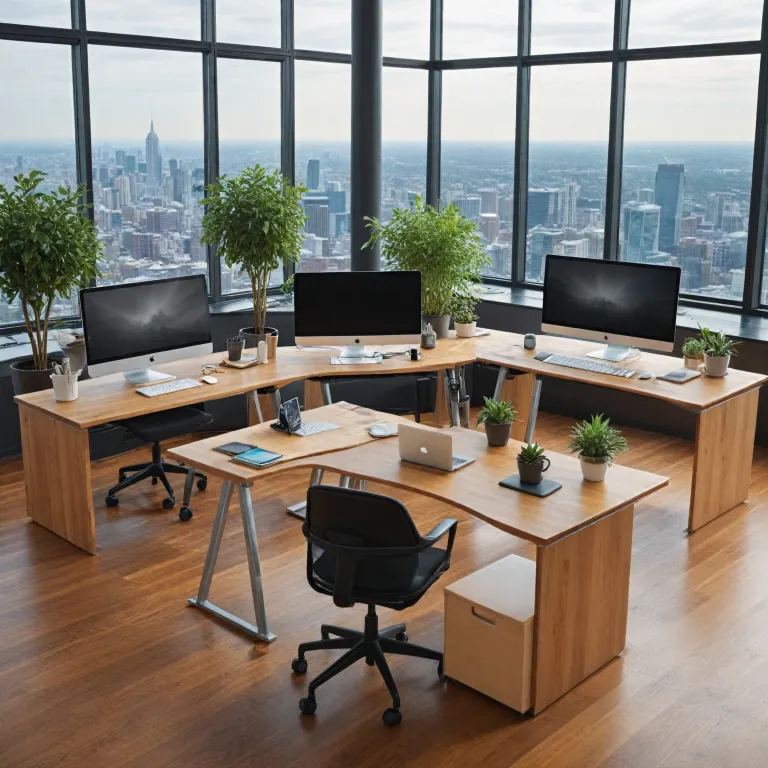
Flex office software as a strategic lever for hotel media coworking
Media coworking in hotels is shifting from a side activity to a core asset strategy, and flex office software is becoming the operating system of this transformation. For hotel operators and asset directors, the office and coworking space is no longer a static floor plan but a living product that must flex with hybrid work patterns and media production rhythms. By aligning flex office tools with revenue management, HR policies, and real estate strategies, hotels can turn underused office space into profitable, flexible office products for demanding corporate members.
In this context, the office is a service layer, and coworking spaces are modular studios where employees and teams alternate between remote work, hybrid work, and on site collaboration. Flex office software orchestrates this choreography by connecting desk booking, meeting rooms, and space management into a single management software environment. For innovation leaders and coworking operators, the same app that lets a team book a desk can also manage media rooms, podcast booths, and video studios with precise office occupancy rules. This creates a unified experience for members while giving hotel asset managers granular data on which spaces, desks, and flex space products generate the best margins.
For HR directors and corporate real estate leaders, the hybrid working model in hotels only works if employees can read availability in real time and trust that the office space they book will match their work needs. Flex office platforms like m-work, Coworks, DoFlex, BeeMyFlex, Deskare, Revoluspace, Hamilton Deskbooking, EMS Flex by Accruent, and Yoffix illustrate how management software can support hybrid work and flexible work policies. They provide data dashboards, booking workflows, and integrations that align hotel coworking flex offerings with corporate expectations for flexible office and remote work support.
Designing hotel coworking spaces around hybrid work journeys
Media coworking in hotels requires a different design logic from traditional office layouts, because teams move between content creation, client meetings, and focused work in short cycles. Flex office software allows operators to map these journeys and translate them into bookable office space types, from quiet desks to acoustically treated meeting rooms and media studios. When employees and members can book the right space at the right time, the hotel becomes a reliable extension of their hybrid work ecosystem.
For coworking operators embedded in hotels, the challenge is to balance transient guests, long term members, and corporate teams using coworking spaces for project sprints. A robust app for desk booking and space management can segment access rights, pricing, and booking windows for each profile while keeping the experience simple. This is where tools like Revoluspace and Yoffix, which integrate with Slack Teams and Microsoft Teams, help teams coordinate presence and office occupancy directly from their collaboration tools. Employees can read who is on site, align their work schedule, and book desks or meeting rooms without leaving their usual digital workplace.
Asset directors and innovation leaders must also think beyond the standard office and flex space categories to include media specific zones in their management software. Flex office platforms can tag spaces as podcast booths, editing suites, or video stages, and attach specific booking rules, equipment checklists, and data tracking to each. Over time, data on usage patterns, hybrid working peaks, and remote work spillover helps refine the mix between classic office space, flexible office desks, and specialized media coworking flex zones. This data driven approach ensures that every square metre of hotel coworking spaces contributes to both guest experience and long term asset value.
From booking app to operational backbone for hotel teams
For many hotel operators, flex office software starts as a simple booking app, but quickly becomes the backbone of daily operations in media coworking environments. Front office teams, coworking managers, and technical staff rely on the same management software to coordinate access, services, and maintenance across multiple spaces. When a team books a desk or meeting rooms, the system can trigger workflows for cleaning, equipment checks, or catering, turning each booking into a mini event with clear responsibilities.
Solutions like m-work, Coworks, DoFlex, BeeMyFlex, Deskare, Revoluspace, Hamilton Deskbooking, EMS Flex by Accruent, and Yoffix show how flex office and hybrid work tools can be deployed in less than 24 hours yet scale to complex hotel portfolios. For HR and corporate real estate leaders, this means that employees can transition smoothly between remote work, office, and hotel coworking spaces without friction. The same app that manages desk booking in the headquarters can also manage flex space in partner hotels, with unified data on office occupancy and flexible work adoption.
Media coworking also requires precise control of noise, light, and equipment, which flex office software can support through integrations with IoT sensors and access systems. Operators can read real time data on space usage, temperature, and presence, and adjust rules for hybrid working and flexible office access accordingly. Over time, this transforms the hotel coworking flex offer from a static product into a responsive service that adapts to team behaviour. For hotel asset directors, the result is a more resilient office space portfolio, where each coworking area, desk, and meeting room is continuously optimized for both guest satisfaction and revenue.
Aligning HR, real estate, and media production needs
Media coworking in hotels sits at the intersection of HR, corporate real estate, and content production, and flex office software is one of the few tools that can align these agendas. HR directors need hybrid work policies that support employee well being, while real estate teams seek to rationalize office space and flexible office footprints. At the same time, media teams require highly specific coworking spaces with acoustic treatment, storage, and connectivity, which must be available on demand. Flex office platforms provide the shared data and workflows that allow these stakeholders to negotiate trade offs transparently.
For example, a company may reduce its central office and rely on hotel coworking flex locations for project based teams, using desk booking and space management tools to orchestrate presence. Employees can book desks, meeting rooms, or media studios via an app, while managers read utilization data to refine hybrid working schedules and remote work guidelines. Integrations with Slack Teams and Microsoft Teams ensure that teams see who is on site, which office or coworking spaces are available, and how to coordinate their work. This reduces friction and supports a culture of flexible work without sacrificing collaboration.
Hotel operators can also use flex office software to create tiered memberships for media professionals, with different levels of access to office space, flex space, and specialized studios. Management software tracks members, teams, and bookings, providing clear data on office occupancy and revenue per space type. For asset directors, this becomes a powerful success story when they can show how hybrid work and coworking spaces in hotels reduce vacancy and increase asset value. By aligning HR needs, real estate strategy, and media production workflows, flex office tools turn hotels into credible long term partners for corporate hybrid working strategies.
Enhancing guest and member experience in media coworking hotels
In media coworking hotels, the guest experience and member journey are deeply intertwined, and flex office software plays a central role in orchestrating both. When a guest arrives to work, record a podcast, or host a hybrid meeting, the quality of the booking, access, and support experience defines their perception of the brand. A well designed app for desk booking and meeting rooms, backed by reliable management software, reassures employees and members that the office space they reserved will be ready, equipped, and quiet enough for their work.
Operators can further enhance this experience by integrating flex office tools with hospitality touchpoints, such as check in kiosks, concierge services, and F&B ordering. For instance, when a team books a flex space or coworking desk, the system can propose catering options or extended check out, turning a simple booking into a tailored service. Articles on topics such as elevating coworking experiences in modern hospitality spaces show how design and ergonomics complement software to create a coherent environment. Flex office platforms then capture data on which services are most used, helping operators refine their flexible office and coworking flex offers.
For employees and members, the ability to read real time availability, book via mobile, and coordinate with their team through Slack Teams or Microsoft Teams is now a baseline expectation. Hybrid work and remote work have normalized the idea that office and coworking spaces should be as easy to book as hotel rooms. By delivering this level of simplicity while maintaining precise office occupancy controls, hotels can position their media coworking spaces as premium, reliable hubs for flexible work. Over time, this strengthens loyalty among corporate clients and builds a differentiated success story in a crowded hospitality market.
Measuring performance and scaling media coworking across hotel portfolios
For asset directors and investors, the real power of flex office software in media coworking hotels lies in its ability to generate actionable data. Management software aggregates information on desk booking patterns, meeting rooms usage, and office occupancy across multiple properties, revealing which coworking spaces and flex space formats perform best. This data driven view allows decision makers to scale successful concepts, adjust underperforming office space, and refine hybrid work partnerships with corporate clients.
Tools like m-work, Coworks, DoFlex, BeeMyFlex, Deskare, Revoluspace, Hamilton Deskbooking, EMS Flex by Accruent, and Yoffix provide dashboards that segment data by members, teams, and booking types. HR and real estate leaders can read how employees use remote work options versus hotel coworking spaces, and how hybrid working patterns evolve over time. This informs decisions on flexible office footprints, service levels, and pricing models for coworking flex products. When combined with financial KPIs, these insights help build a robust success story that justifies further investment in media coworking within hotel portfolios.
Scaling also requires consistent experience, which flex office platforms support through standardized workflows for booking, access, and space management. A team using a hotel coworking space in one city should find the same app, booking rules, and service quality in another, regardless of the specific office layout. Integrations with Slack Teams and Microsoft Teams ensure that hybrid work coordination remains seamless across locations. By treating flex office and coworking spaces as a networked product rather than isolated projects, hotel groups can capture the full value of hybrid work and flexible work trends, while offering media professionals a reliable, high performance environment for their work.
Key statistics on flex office software and workspace performance
- Average user rating for m-work flex office software is 4.6 / 5, indicating strong satisfaction among organizations managing hybrid work and flexible office environments.
- Managers using m-work save an average of 2 hours per week on coordination tasks related to desk booking, meeting rooms, and office occupancy.
- Hot desking and flex office projects supported by m-work generate average savings of 15 % on workspace related costs.
- After six months of deployment, m-work records a user adoption rate of 92 %, demonstrating strong employee engagement with flex office and hybrid working tools.
Essential questions about flex office software for hotel media coworking
What is flex office software ?
Flex office software is a tool designed to manage and optimize flexible workspaces, enabling businesses to handle desk bookings, meeting room reservations, and overall workspace utilization efficiently. In the context of media coworking in hotels, it coordinates office space, coworking areas, and specialized studios so employees and members can work seamlessly. This software underpins hybrid work strategies by connecting booking, access, and data into a single management layer.
Why is flex office software important ?
Flex office software is important as it supports hybrid work models, enhances workspace efficiency, improves employee collaboration, and provides data driven insights for space management. For hotel operators and coworking managers, it ensures that every desk, meeting room, and flex space is used effectively and aligned with guest and member expectations. HR and real estate leaders also rely on this software to balance remote work, office presence, and hotel coworking usage within a coherent flexible work policy.
What are some examples of flex office software ?
Examples of flex office software include m-work, Coworks, DoFlex, BeeMyFlex, Deskare, Revoluspace, Hamilton Deskbooking, EMS Flex by Accruent, and Yoffix. These tools support desk booking, meeting rooms reservations, and space management across office space, coworking spaces, and hotel based flex space. Many of them integrate with Slack Teams and Microsoft Teams, making hybrid working coordination easier for employees and teams.
How does flex office software benefit businesses ?
Flex office software benefits businesses by optimizing workspace utilization, supporting employee flexibility, enhancing collaboration, and reducing operational costs. In hotel media coworking environments, it helps operators manage office occupancy, streamline booking, and tailor flexible office products to different members and teams. The resulting data allows asset directors and HR leaders to refine hybrid work strategies and build a compelling success story around flexible work.
What are current trends in flex office software ?
Current trends in flex office software include increased adoption of hybrid work models, integration of AI and IoT in workspace management, focus on employee experience and well being, and data driven decision making for space utilization. For hotels hosting media coworking spaces, these trends translate into smarter desk booking, responsive space management, and more personalized flexible office services. Over time, this positions hotels as strategic partners in corporate hybrid working and remote work ecosystems.