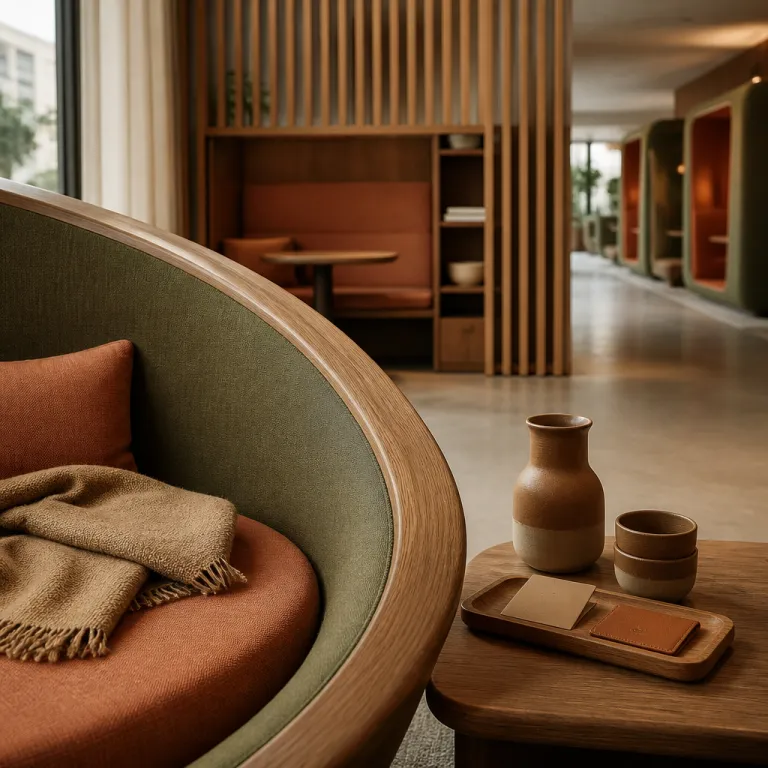
Mews hotel operating system coworking tech goes all in on unified revenue per square metre
TL;DR: At Unfold 2026 in Amsterdam, Mews repositioned its PMS as a full Mews hotel operating system coworking tech layer for hybrid hospitality, reporting an 8.7 percent uplift in total hotel revenue and around EUR 350 000 annual benefit per 100 rooms, plus a 13.7 percent revenue per square metre increase for properties using its dynamic pricing engine across rooms, parking and flexible workspaces.
Mews used its Unfold 2026 conference in Amsterdam to reposition its PMS as a full Mews hotel operating system coworking tech layer for hotels that now sell rooms, desks and meeting spaces in the same property. The organizer describes Unfold 2026 as a conference on hospitality innovation
, and the agenda made that clear with sessions on AI integration in hospitality, automation tools and a unified operating system that aims to cut manual work from front desk to finance. According to figures shared in the Unfold 2026 opening keynote and a subsequent Mews product announcement, hotels using the full Mews operating system reportedly show 8.7 percent revenue growth and around EUR 350 000 annual benefit per 100 rooms, calculated by comparing pre implementation performance with post implementation results across a sample of connected properties, which reframes every underused lobby table or coworking space as a revenue management problem rather than a design experiment.
The new Mews RMS now runs about 150 million pricing calculations per day, a number Mews attributes to the total volume of rate updates, availability checks and optimisation cycles processed across its portfolio of connected properties. Mews also claims an average 13.7 percent revenue lift per square metre for properties using its dynamic pricing engine across their full inventory of rooms and flexible spaces, based on aggregated revenue per square metre before go live and several months after deployment. For hybrid hospitality concepts that already treat a coworking space, meeting room or even rooms parking bundle as yieldable inventory, that kind of revenue management system capacity matters more than another design refresh. During one Unfold 2026 case study, a general manager from a Dutch hybrid hotel described how applying Mews pricing rules to lobby desks and meeting rooms increased workspace revenue by double digits, and the question for innovation leaders is whether this operating system and management system can extend beyond traditional rooms and parking to support day passes, hourly desks and lobby seats in real time, without forcing teams back into spreadsheets and disconnected tools.
Under the hood, the Mews PMS now behaves less like a single hotel tech product and more like a modular property management platform that orchestrates a broader tech stack. Mews offers a native channel manager powered by SiteMinder, with distribution to more than 400 online travel agencies under one contract, one bill and one support channel, which reduces complexity for properties that already juggle several vendors. During a panel on hybrid hospitality, one asset manager from a European city hotel described how this unified distribution layer already simplifies contracting and reporting for rooms and parking, and argued that the obvious next step is to let workspace platforms and B2B booking tools for corporate guests plug into the same infrastructure so that a desk, a meeting room and rooms parking can be sold as easily as a standard guest room.
From rooms to lobby desks: where the current OS fits and where it still breaks
For now, the Mews operating system still reflects a hotel first mindset, even as more hotels experiment with coworking spaces and lobby day passes. The property management and revenue management modules handle rooms, packages and parking inventory elegantly, but they do not yet natively support dynamic pricing for day use coworking or granular lobby occupancy tracking in real time. Innovation leaders who want to monetise every square metre of public space will therefore need to combine the Mews management system with separate occupancy sensors, Wi Fi analytics and energy monitoring, especially if they care about the kind of sustainability KPI framework discussed in analyses of the lobby energy footprint and day occupied public spaces.
Operationally, the new workflow automations and AI guest messaging tools reduce manual work at the front desk and in back office operations, which indirectly benefits coworking guests who expect a frictionless guest journey. A guest who books a day office or coworking space should receive the same automated pre arrival guest messaging, digital access instructions and parking details as an overnight guest, and the same clarity on pricing and available rooms or spaces. When the system can route these interactions through a single booking engine and CRM rather than ad hoc emails, the guest experience improves while staff regain time for higher value hospitality tasks.
There is still a gap between what hybrid hospitality operators need and what most hotel tech platforms, including Mews, currently deliver for coworking. Day pass products, recurring memberships and corporate workspace credits rarely map cleanly onto traditional property management fields, which were built for nightly stays and simple extras like parking or breakfast. Until Mews and its peers ship workspace specific modules, hotel IT teams will continue to rely on creative use of existing rate codes, package structures and B2B profiles to represent coworking contracts, while exporting data into external reporting tools to build a coherent report on workspace revenue, utilisation and guest behaviour.
Designing a workspitality tech stack around a unified OS, not against it
For CTOs and innovation directors, the strategic question is no longer whether to adopt a cloud PMS, but how to architect a workspitality tech stack around a unified operating system without losing the nuance of coworking operations. The combination of the Mews PMS, its integrated channel manager, AI guest messaging, booking engine and B2B accounts receivable already covers a large share of hotel operations, from reservations and front desk workflows to billing and digital marketing automation. The opportunity is to treat this Mews hotel operating system coworking tech core as the system of record for guests, rooms, parking and contracted companies, while layering specialised coworking tools only where the property management and revenue management modules cannot yet handle the complexity of memberships, credits and multi site access.
Benchmarking workspitality technology choices against independent analyses of the workspitality tech stack shows why this matters; when Wi Fi authentication, occupancy analytics and workspace booking tools do not talk to the PMS, operators lose both revenue and operational insight. A unified management system that centralises guest profiles, booking data and spend across rooms and coworking spaces allows hotel asset managers to calculate revenue per square metre across the entire property, not just the guestrooms. That same data foundation lets DRH and corporate real estate leaders evaluate whether hotel based coworking space partnerships actually improve employee experience and flexibility compared with traditional offices or third party coworking brands.
Distribution is the next frontier, and here the SiteMinder powered channel manager inside Mews hints at what could come for workspace inventory. Just as hotels can now manage hundreds of OTA connections through one operating system contract, hybrid properties could eventually plug workspace platforms and corporate booking tools into the same layer, aligning pricing, availability and guest journey flows for both rooms and desks. Until then, hotel teams experimenting with day passes and workspace access can study how brands use external platforms such as ResortPass for pool and day use distribution, then apply similar thinking to coworking, while keeping Mews as the central system that reconciles revenue, space utilisation and guest experience across every square metre they operate.