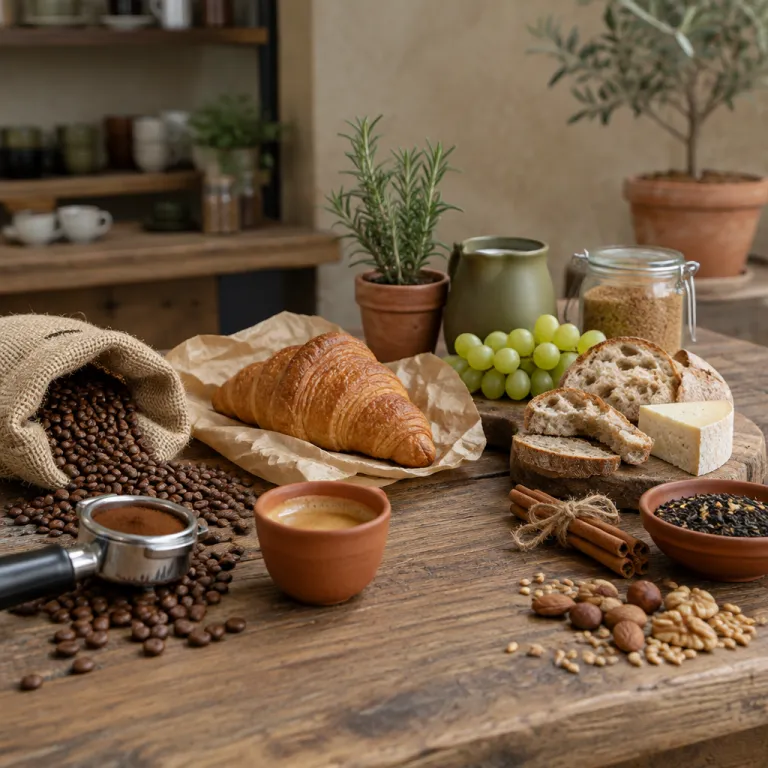
From lobby table to profit center: redefining hotel workspace economics
In many hotels, the lobby table where the outlet, the espresso, and the natural light finally align has quietly become the most profitable square metre of space. When that same hotel lobby is programmed as a coworking hub with an integrated food and beverage offer, the property will often see workspace-driven café revenue outperform traditional bar service on a per hour basis. For exploitants hôteliers and asset directors, the question is no longer whether to host people working in the lobby, but how to turn that working pattern into durable hospitality revenue.
Hybrid hospitality operators now treat lobby and restaurant zones as flexible space portfolios, not static décor. The most advanced coworking hotel concepts segment their spaces into silent work areas, social coworking zones, and informal meeting rooms, then align food and beverage service levels and price points to each space. This is where hotel coworking stops being a marketing story and becomes a revenue management exercise grounded in real estate efficiency and ancillary revenue per occupied seat.
For remote workers, digital nomads, and guests local to the neighborhood, the hotel lobby is no longer just a transit zone. It is a coworking space where a four hour work session, two coffees, and a light lunch can generate revenue equivalent to a mid scale room night when multiplied across enough rooms worth of seating. Coworking space operators entering hotels through management agreements see the same pattern; they report that integrated cafés and grab and go counters lift total revenue streams and extend the average working day on property.
A concrete example comes from a 120 room urban hotel that converted 30 lobby seats into dedicated workstations. Before the change, the bar averaged €45 per occupied hour across that footprint. After introducing day passes, table service ordering, and a compact all day menu, average spend rose to €68 per occupied hour, with food and beverage contributing roughly 65% of that total. Over a standard five day working week, this translated into an incremental €3,000–€3,500 in gross revenue, with minimal capex beyond furniture and power upgrades. In this anonymised case study, the operator tracked results over a rolling six month period, using POS tags and hourly seat counts to validate the uplift.
Designing flexible F&B formats that match the working day
The hotel that treats its lobby as a flexible space for work must design food and beverage formats around the rhythm of the working day, not the traditional restaurant service clock. All day grazing menus that move from early espresso to mid morning pastry, then to working lunch and late afternoon pick me up, keep remote workers and business leisure guests seated and spending instead of leaving the space. This is where lobby café and coworking revenue is won or lost, because every exit to a street café is a missed ancillary revenue opportunity.
Operationally, the most resilient strategies blend a compact à la carte offer with grab and go and pre prepared items that can be plated from a minimal équipe. Six Senses The Forestias in Thailand, for example, positions smoothies and health bowls as productivity fuel for people working in its coworking spaces, aligning wellness branding with high margin F&B that travels well between tables and meeting rooms. When hotels align menu engineering with workspace zoning, each room of the lobby effectively becomes a micro restaurant that can generate revenue without the labour intensity of a full service dining room.
Pricing psychology matters as much as menu design. Bundling a quality coffee with a four hour desk pass at a slight discount lifts both perceived value and spend per visit, especially for guests local who treat the coworking space as their weekday office. This is also where bundling bleisure products without cannibalising room revenue becomes critical for GMs balancing P&L; structured packages that combine workspace, F&B credit, and late checkout can be shaped using the playbook outlined in this analysis of bundled bleisure products. For operators, the goal is clear; every element of the offer should help generate revenue per occupied hour that beats a traditional lounge seat.
Industry benchmarks from operators such as WeWork, Spaces, and independent coworking cafés suggest that members who purchase bundled passes with included drinks or snacks spend 15–25% more per visit than pay as you go users. These figures are drawn from internal operator reporting and aggregated coworking café surveys conducted between 2019 and 2023. Hotels that mirror this logic in their lobby workspaces typically see higher attachment rates on food and beverage, because the perceived “free” credit nudges guests to order more frequently throughout the day.
Measuring hotel lobby food and beverage coworking revenue per occupied hour
To treat the lobby as a serious business unit, hotels need a revenue management lens tailored to coworking and F&B, not just rooms. The core KPI is simple but rarely tracked rigorously; average food and beverage spend per workspace hour, segmented by day pass users, in house guests, and external members. When that metric is benchmarked against pure play coworking operators, where café revenue often represents between fifteen and twenty percent of total revenue streams according to reports from Deskmag and the Global Coworking Survey (2019–2022 editions), hotel teams finally see how much revenue they are leaving on the table.
Data from coworking cafés shows that food and beverage can contribute well over one third of total coworking revenue when the offer is integrated into the space rather than hidden in a back restaurant. One market analysis from the Coworking Café Benchmark Report (Coworking Insights, 2021) notes that F&B can reach close to forty percent of coworking space revenue with gross margins around seventy percent on food sales, and that roughly two thirds of members say F&B availability influences their renewal decisions. Those numbers translate directly for hotels that position their lobby as a coworking space, because the same remote workers and digital nomads are choosing between a coworking hotel and a traditional coworking space based on the quality of the coffee, the Wi Fi uptime, and the ease of ordering from the table.
For GMs, the next step is to build a simple report that ties POS data to workspace occupancy. Track how many people are working in the hotel lobby at each hour, how many orders are generated from that space, and how ancillary revenue from food and beverage compares to bar only hours. A practical KPI example: if 20 people are working between 10:00 and 12:00 and the POS shows €320 in F&B sales tagged to the lobby, average spend per workspace hour is €8 (€320 ÷ 20 people ÷ 2 hours). Compare that figure to your target (for example, €10 per hour) and adjust pricing, menu mix, or service prompts accordingly. A detailed breakdown of how F&B service shapes lobby revenue per occupied hour is explored in this deep dive into working lunch economics, which many operators now use as a reference when recalibrating their lobby layouts and staffing models.
Operational playbook: low labour, high margin, all day
Running an all day F&B programme in a coworking hotel is not about adding more complexity to an already stretched kitchen brigade. The most effective strategies focus on low labour, high margin menus that can be executed from a compact production space with minimal waste. Automated coffee bars, pre batched signature drinks, and smart use of frozen or pre prepped components allow hotels to serve remote workers throughout the day without cannibalising peak restaurant service.
Partnerships with local restaurants and catering services can extend the offer without heavy capital expenditure, especially in urban hotels where real estate constraints limit back of house expansion. Many coworking space operators already use such partnerships to provide diverse and healthy menu options, supported by online ordering systems that route tickets directly to partner kitchens while the hotel captures a share of hospitality revenue. For hotels, this model turns the lobby into a curated food hall for people working on site, while keeping fixed costs aligned with realistic demand patterns across weekdays and weekends.
Staffing models must reflect the hybrid nature of the space. Cross trained baristas who can manage light food preparation, handle digital orders from coworking spaces, and upsell meeting rooms or private room day use passes become central to the business. When the équipe understands that every extra coffee, every shared plate, and every extended stay in the lobby helps generate revenue that stabilises the P&L beyond rooms, the culture shifts; F&B is no longer a cost centre but the engine of lobby based coworking revenue.
A simple P&L snapshot helps operators stress test the model. Assume one cross trained barista on €22 per hour fully loaded, serving an average of €180 in F&B per hour to coworking guests at a 70% gross margin. That yields €126 gross profit per hour against €22 labour, before fixed costs. Even after allocating €20 per hour to overheads, the lobby workspace still generates €84 contribution per trading hour, illustrating why low labour, high margin menus are so powerful in this context. A quick checklist for GMs: target gross margin above 65%, labour cost below 25% of F&B sales, and contribution per occupied hour that consistently beats your traditional lounge benchmark.
Programming, membership models, and the path to repeat bookings
The final lever in the espresso to revenue pipeline is not the menu, but the membership logic that turns a one time laptop user into a regular. Hotels that structure clear coworking membership tiers, with bundled F&B credits and access to meeting rooms, see higher retention and more predictable revenue streams from their lobby and flexible space inventory. Coworking space operators have long known that “They increase revenue by attracting more members and providing additional income through food sales.”
For hotel GMs, the opportunity lies in adapting those coworking strategies to a hospitality context where rooms and workspaces coexist. A simple tiered offer might include a day pass with one drink, a ten day pack with discounted food and beverage, and a monthly membership that includes a fixed F&B credit plus preferential rates on private room day use and meeting rooms. When these products are aligned with business leisure patterns and promoted to guests local through CRM campaigns, the hotel will start to see a stable base of regulars who treat the lobby as their default office.
Programming the calendar is equally important, because events drive both workspace occupancy and bar checks. Hybrid hospitality experts now use member events, talks, and micro conferences to underwrite coworking stickiness, as detailed in this guide to hybrid hotel programming. When events are scheduled to peak the working day curve, the lobby and adjacent spaces become a living ecosystem where hotel coworking, F&B, and real estate utilisation reinforce each other, and lobby based food and beverage revenue becomes a predictable, bankable line in the asset report.
FAQ: hotel lobby coworking and F&B revenue
How do all day F&B programmes impact coworking revenue in hotels ?
All day F&B programmes increase coworking revenue in hotels by keeping people working on site for longer stretches and converting more of their working hours into spend on food and drinks. When guests can order seamlessly from their workspace in the hotel lobby, they are less likely to leave for external cafés, which lifts ancillary revenue. Over time, this integrated offer also improves member retention, which stabilises hospitality revenue from the lobby and adjacent spaces.
What F&B formats work best for remote workers and digital nomads ?
Remote workers and digital nomads respond best to flexible formats that match their irregular schedules, such as grab and go counters, barista led coffee bars, and light all day menus. Items that can be eaten while working, like bowls, salads, and small plates, tend to outperform heavy restaurant dishes in coworking spaces. Hotels that offer both healthy options and indulgent treats usually see higher average spend per working day.
How should hotels measure the success of lobby coworking and F&B ?
Hotels should track average F&B spend per workspace hour, segmented by user type, as the primary KPI for lobby coworking performance. Complementary metrics include day pass sales, membership renewals, and the share of total lobby revenue coming from food and beverage versus pure bar sales. Comparing these figures to benchmarks from coworking space operators helps asset managers understand whether their lobby is performing competitively.
Can partnerships with local restaurants help generate revenue in hotel coworking spaces ?
Partnerships with local restaurants can significantly help generate revenue in hotel coworking spaces by expanding menu variety without major investment in kitchen infrastructure. The hotel can act as the hospitality host and workspace provider, while partners handle food production under revenue share agreements. This model is particularly effective in dense urban real estate markets where back of house expansion is constrained.
How do F&B offers influence coworking membership renewals ?
F&B offers influence coworking membership renewals by shaping daily satisfaction and perceived value for money. When members know they can rely on consistent coffee quality, healthy meals, and fair pricing inside the hotel lobby, they are more likely to renew their access to that coworking space. Industry data from coworking cafés shows that a majority of members explicitly cite F&B availability as a factor in their renewal decisions, and hotels see similar patterns when they track feedback from regular lobby workers.