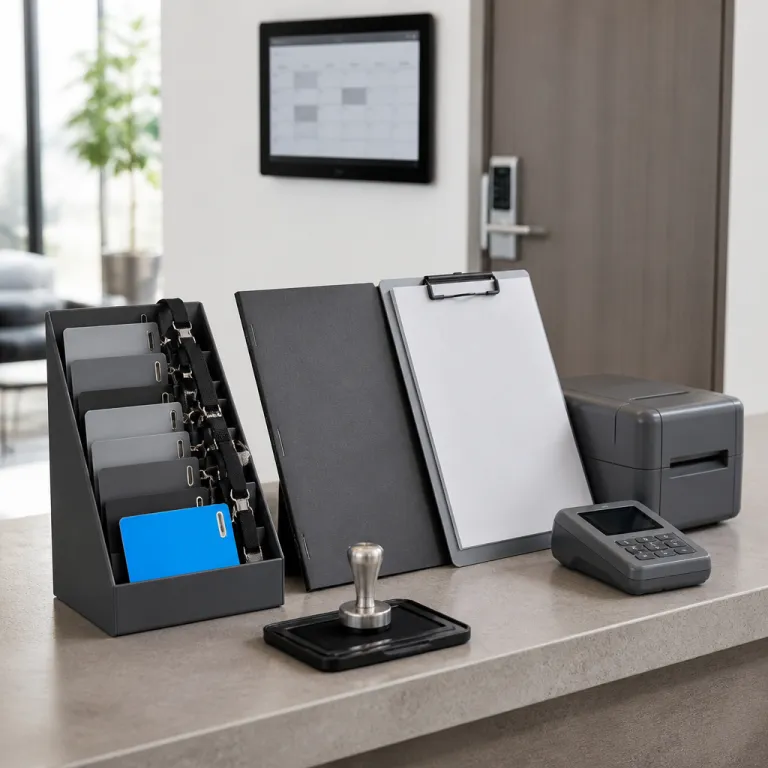
From lobby table to corporate line item: Q3 as the decisive window
September’s back to office push turns the casual coworking day into a strategic corporate day pass and hotel workspace opportunity. As HR leaders reset hybrid work policies and real estate teams reassess every office space line, hotels that position their lobby as a professional workspace rather than a transient lounge can move day based access from experiment to budgeted programme. The shift is subtle yet powerful, because it transforms a single day of ad hoc work into a repeatable business pattern that can scale across multiple locations.
Two data points frame the moment for hospitality professionals and coworking operators who manage hotel based offices and flexible workspace. Office visits in September 2023 compared to 2019 were about 26 % below pre pandemic levels according to the Placer.ai Office Index (Q4 2023 update),1 while roughly 80 % of large companies had some form of hybrid work policy in place by 2023 as tracked in JLL’s global office reports (for example, JLL Global Occupier Trends 2023).2 This gap between underused headquarters offices and employees who still need a professional environment to work three focused days per week is exactly where hotel coworking spaces, meeting rooms and private offices can step in with structured corporate day pass agreements that feel both flexible and reliable.
Return to office initiatives typically follow a three step timeline that aligns closely with hotel sales cycles and coworking space distribution. July is the planning phase when corporate employers and HR professionals define how many days of work in the office they expect, August is the communication period when employees learn about hybrid schedules and options for alternative spaces, and September is the implementation month when actual workspace usage patterns emerge and contracts for day pass access or virtual office services can be finalised. Hotels that wait until Q4 to pitch enterprise workspace packages will find that workspace budgets, meeting room allocations and conference room commitments have already been locked with traditional coworking providers or office landlords.
For asset managers and innovation leads, the Marriott and ResortPass partnership announced in 2023 signalled that day use is no longer a side hustle but a formalised revenue channel with enterprise grade expectations.3 That deal normalised the idea that a hotel room, a lobby table or a cluster of dedicated desks can be sold as a flexible workspace product with dynamic pricing, clear service standards and distribution via aggregators. In this context, hotel groups that build their own corporate day pass and hybrid workspace contracts now can define their rules of engagement before third party platforms and traditional coworking brands set the margins and the customer expectations.
Designing corporate day-pass products that match hybrid work patterns
To convert September’s back to office energy into signed corporate workspace agreements, hotels need products that mirror how employees actually work. Most hybrid schedules cluster around two or three anchor days in the office, with the remaining days split between home, coworking spaces and satellite locations closer to where professionals live. A hotel within a 30 km commuter belt that offers a quiet workspace, reliable Wi Fi, good coffee and meeting rooms on a day pass basis can become the preferred alternative to a long commute to headquarters offices.
Structurally, the most effective corporate offers combine volume discounted day pass bundles with clear entitlements to spaces and services that feel familiar to both coworking members and hotel guests. A typical package for small teams might include 50 to 200 day passes per month, guaranteed access to a defined number of dedicated desks in a professional environment during business hours, credits for meeting rooms or conference rooms, and optional private offices for managers who need confidentiality. When these elements are framed as a flexible workspace subscription rather than a loose collection of single day bookings, corporate employers can justify the spend as part of their long term workplace strategy instead of treating it as discretionary travel.
Seasonality matters for pricing and membership design, especially when hotel workspaces intersect with leisure patterns and workation demand. Hybrid professionals often extend weekend stays into a coworking day on Monday or Friday, which means that a well structured day pass can bridge gaps between transient guests and recurring workspace members. For operators exploring how to align workation packages, midweek occupancy and flexible workspace, the playbook outlined in long stay workation structures that fill midweek gaps offers a useful reference for balancing room revenue, office space utilisation and coworking space memberships.
Product design should also respect the nuances between traditional coworking and hotel based workspace, because the expectations around service and privacy differ. Some professionals will prioritise access to quiet phone booths, a private office for confidential calls and enterprise grade connectivity, while others value more creative spaces, informal meeting rooms and the ability to work in different rooms across the property during the day. By mapping these personas and linking them to specific corporate day pass tiers, hotel groups can avoid one size fits all offers and instead create tiered memberships that speak directly to HR, real estate directors and business unit leaders.
Case study: turning a pilot into a contracted workspace programme
Consider a midscale business hotel near a suburban tech corridor that piloted a 100 pass per month bundle with a regional software company in late 2022. The employer allocated passes to team leads, who could invite colleagues on designated collaboration days. Within one quarter, weekday lobby occupancy stabilised, meeting room revenue increased by 18 % compared with the same period a year earlier, and the hotel converted the pilot into a 12 month agreement that guaranteed a minimum monthly spend on day passes and meeting rooms. As the HR director on the client side put it, “We didn’t need another headquarters office. We needed a network of reliable places where people could meet, focus and still be home for dinner.”
Direct sales versus aggregators: controlling the day-pass distribution stack
Once the product is defined, the next strategic decision for hotel executives and coworking operators is how to distribute corporate day pass and hotel workspace contracts during the short Q3 window. Direct sales through corporate account managers offer maximum control over pricing, service levels and the mix between meeting rooms, private offices and open coworking space, but they require a focused pipeline and clear talking points for HR and real estate buyers. Aggregators such as Deskpass or LiquidSpace can deliver immediate visibility to professionals searching for a workspace or office for a single day, yet they introduce commission costs and limit the hotel’s ability to shape long term relationships.
For hotel groups with multiple locations, a hybrid distribution model often works best when entering the corporate day pass market. Flagship properties in key business districts can prioritise direct enterprise workspace contracts that bundle day pass access, conference rooms and virtual office services, while secondary locations can lean on aggregators to fill ad hoc coworking day demand from local professionals. Over time, usage data from both channels can inform which spaces should be reserved for members, which rooms convert best as private offices, and how often small teams book meeting rooms versus informal lobby spaces.
Control over the distribution stack is not just a revenue management issue; it shapes the entire guest and member experience in the professional environment. When a hotel relies solely on third party platforms, it risks becoming a generic office space listing where the nuance of its creative workspace design, enterprise grade connectivity and tailored service is lost among hundreds of coworking spaces. The strategic argument for building a direct channel is laid out in guides to the day pass distribution stack, which emphasise that early movers can set their own commission benchmarks and protect margins before aggregators dictate terms.
Practically, this means training sales teams to speak the language of HR and corporate real estate rather than only that of transient guests. They should be ready to answer detailed questions about how day pass usage integrates with hybrid work policies, whether office addresses or virtual office options are available for employees without a traditional office, and how flexible workspace access can be scaled across three or more locations. Clear responses build trust and help reposition the hotel from a place to sleep into a network of offices and coworking spaces that support business continuity and employee well being.
Pricing, metrics and operational discipline for Q3 corporate contracts
Pricing corporate day pass and hotel workspace contracts requires more than copying traditional coworking tariffs or meeting room rack rates. Hybrid hospitality operators need a revenue model that reflects the different value of a single day of access for an individual professional, a recurring pattern of work for small teams and a portfolio wide commitment from a corporate employer. A useful starting point is to anchor pricing around three tiers of usage intensity and then layer in discounts for volume, duration and multi location access.
At the light usage tier, companies might commit to 20 to 50 day passes per month that grant access to shared coworking space, phone booths and basic meeting rooms during business hours. The medium tier could cover 50 to 200 day passes with reserved dedicated desks, priority booking for conference rooms and optional private offices on peak days when more professionals come to work on site. Heavy usage tiers, often negotiated by corporate employers with multiple offices and distributed teams, can include unlimited coworking day access for named members, a fixed number of private offices and a blend of virtual office services such as mail handling and a formal office address.
Operationally, hotels must treat these contracts with the same discipline they apply to group business and long term corporate room agreements. That means tracking utilisation of spaces, monitoring how often professionals use meeting rooms versus open workspace, and adjusting inventory between offices, rooms and creative zones to maintain a high quality professional environment. It also means aligning F and B programmes with workspace rhythms, because a well timed coffee service or lunch offer can significantly increase both revenue per day pass and repeat bookings, as explored in analysis of all day F and B driven workspace revenue.
Finally, Q3 is when corporate employers formalise budgets and return to office strategies, so questions from HR and real estate leaders become a valuable source of product insight. They will want clarity on cancellation terms, the balance between flexible workspace and reserved private office capacity, and how enterprise grade connectivity and security compare with traditional coworking providers. By answering these questions with data, clear service level commitments and examples from existing members, hotel groups can position their properties as credible alternatives to conventional offices and secure recurring corporate workspace contracts before competitors move in.
Frequently asked questions about hotel based corporate day-pass workspaces
Why are companies focusing on Q3 for return to office plans ?
Q3 aligns with post summer schedules and business planning cycles. Many corporate employers finalise workspace and office budgets for Q4 during this period, which makes it the ideal window for hotels and coworking operators to pitch structured day pass and hotel workspace agreements. When HR and real estate teams are already revisiting hybrid work policies, they are more open to integrating hotel based workspace, meeting rooms and flexible workspace options into their portfolio.
What are day pass contracts in a hotel coworking context ?
Day pass contracts are agreements allowing employees to use coworking spaces on a daily basis. In a hotel setting, this usually means that professionals can access designated workspace zones, meeting rooms, phone booths and sometimes private offices for a single day without committing to a long term lease. When structured as corporate day pass bundles, these agreements often include multiple day passes, meeting room credits and service guarantees across several locations.
How do coworking spaces in hotels support return to office initiatives ?
They offer flexible, ready to use work environments without long term commitments. For employees who live far from a central office, a nearby hotel coworking space or professional environment can reduce commute times while still providing access to meeting rooms, creative spaces and reliable services. This combination helps companies increase in person collaboration without forcing every professional back into a single headquarters office.
What operational tools help manage corporate day pass usage ?
Effective management of hotel based day pass programmes relies on a mix of booking platforms, access control systems and feedback mechanisms. Hybrid work policies need to be supported by clear rules on how employees reserve coworking space, meeting rooms and private offices, while hotel teams require dashboards that show utilisation across offices and locations. Employee feedback tools then help refine the balance between flexible workspace, traditional coworking style areas and more private rooms.
How should hotels prepare their teams for corporate workspace clients ?
Hotels should train staff to understand the expectations of professionals who treat the property as an office rather than only as accommodation. Front desk and coworking teams need to handle questions about Wi Fi performance, access to meeting rooms, availability of dedicated desks and the specifics of day pass or virtual office memberships. Clear internal processes ensure that members experience a consistent level of service across all spaces, from lobby tables to private offices.
References
- Placer.ai Office Index – office visitation trends versus 2019 (for example, Placer.ai Office Index, Q4 2023)
- JLL – global office and hybrid work adoption reports (for example, JLL Global Occupier Trends 2023, published 2023)
- ResortPass and Marriott partnership announcements on day use access (ResortPass–Marriott collaboration announced 2023)