From static meeting rooms to media coworking ecosystems
Luxury hotels once measured success by how many meeting rooms and ballrooms appeared on a fact sheet. Today, asset directors and exploitants hôteliers track how each room, studio, and coworking area performs across the full day, from early strategy session to late reception. This shift turns every underused conference room into a potential media coworking hub for guests who blend travel, work, and content creation.
Groups such as Dorchester Collection, with its 62 event spaces, illustrate how a diversified mix of rooms and ballrooms can support both traditional banquet formats and flexible coworking events. When these hotels integrate media coworking, the same event space can host a morning leadership meeting, an afternoon hybrid conference with high speed connectivity, and an evening reception banquet for guests and local creators. In one London property, for example, a mid sized salon now runs a three block schedule: 08:00–11:00 board meeting, 12:00–16:00 content studio, 18:00–22:00 cocktail reception. The overall inventory of function rooms in exclusive hotels and venues becomes less about raw count and more about how many distinct use cases each area can support in a single day.
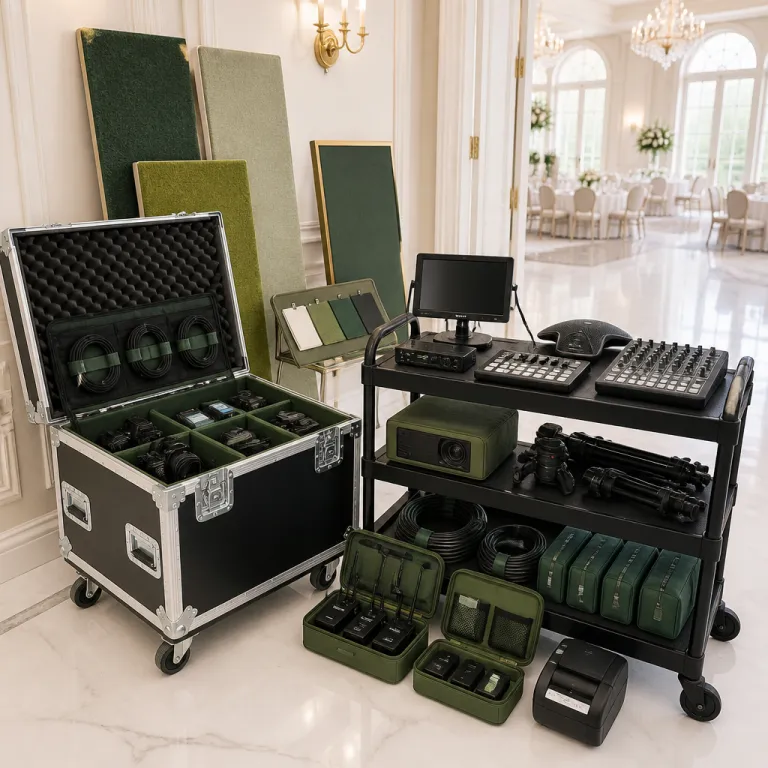
For operators, this means rethinking dimensions, shape, and technical fit rather than only décor. A former theater style conference room might be reconfigured into a studio with natural light for video interviews, while adjacent guest rooms convert into quiet pods for remote work. The most agile hotels now map every meeting room, ballroom, and pool deck by space capacity, acoustic profile, and media readiness to attract both corporate meetings events and coworking communities. Typical checklists include ceiling height for lighting rigs, power access for cameras and laptops, and sound isolation levels suitable for simultaneous video calls. According to internal benchmarking shared by several luxury operators, rooms that meet these criteria can achieve 20–30% higher utilisation by hour than classic single use spaces.
Why media coworking changes the value of every event space
Media coworking inside hotels changes how asset managers value each event space, because utilisation spreads across weekdays, evenings, and weekends. Instead of relying only on large one off events, operators can program a steady flow of small meetings, content shoots, and hybrid workshops that keep rooms and studios active. The collection of meeting and event areas that exclusive hotels and venues control becomes a portfolio of micro revenue streams, not just a catalogue for weddings and conferences.
Hotel del Coronado, with more than 23 000 m² of event space, shows how a broad mix of indoor outdoor areas can support this model. A beachfront pool deck can host a sunrise yoga session for a coworking group, then a branded media event at midday, followed by a private reception banquet at sunset for corporate guests. When these meetings events are supported by strong high speed connectivity and an experienced events team, the same area can also serve as a flexible coworking terrace between scheduled functions. In practice, this might mean reserving a portion of the deck for day pass users with dedicated power outlets, shade, and quiet zones. One operations manager describes it as “running a mini campus on the waterline, with three or four overlapping communities using the same square metres in different ways.”
For innovation leaders and corporate real estate directors, this approach aligns with the bleisure trend where guest rooms double as day offices. Research on the summer bleisure window and all day workspace bookings shows how rooms suites can generate incremental revenue when positioned as quiet work hubs between meetings. In that context, the event footprint that exclusive hotels and venues manage must include not only classic meeting rooms but also adaptable guest rooms, studios, and semi private lounges that support both work and social events. Some properties now track utilisation by hour, aiming for 8 to 10 hours of productive use per day instead of a single three hour meeting, and early adopters report 10–15% uplift in total event related revenue when this multi use model is fully implemented.
Designing media ready rooms, studios, and ballrooms
To make media coworking viable, hotel owners must design each room, studio, and ballroom as a content ready environment rather than a static box. This starts with natural light, acoustic treatment, and reliable high speed connectivity that can handle simultaneous video calls, uploads, and streaming. The share of meeting and event spaces that exclusive hotels and venues can market to media centric guests depends directly on how many of these areas meet professional production standards.
Lotte New York Palace, with about 2 800 m² of meeting space across 23 rooms, illustrates the power of varied dimensions and shapes. Smaller meeting rooms can be set in theater style for briefings, then flipped into podcast studios, while larger ballrooms host plenary events with breakout coworking corners along the perimeter. When each area is mapped with precise space capacity data, operators can match the right room banquet configuration to the right group size, from ten people in a studio to several hundred guests in a grand ballroom. Typical media ready setups include dual screens, ceiling mounted speakers, and at least 1 Gbps shared bandwidth for hybrid events. Event planners increasingly ask for preconfigured “studio ready” layouts, and some hotels now report that these packages account for more than a quarter of their small meeting enquiries.
Media coworking also raises sustainability questions, because day occupied public spaces consume energy differently from classic events. Analysis such as the lobby energy footprint and dedicated sustainability KPI highlights how continuous use of event spaces and meeting rooms changes lighting, cooling, and cleaning patterns. Asset directors who track these metrics can adjust layouts, from indoor outdoor terraces to enclosed rooms suites, to balance guest comfort, media production needs, and environmental impact. For example, they may cluster coworking users in naturally lit areas during the day to reduce artificial lighting demand, or introduce occupancy sensors that dim non essential zones between sessions.
From virtual tour to submit request : how digital journeys drive bookings
For coworking operators and hotel sales teams, the booking journey now starts long before a site visit, often with a detailed virtual tour of each event space. Planners expect to see accurate dimensions, space capacity charts, and multiple room shapes, from theater style to cabaret, directly on the screen. The range of rooms and venues that exclusive hotels can effectively sell for media coworking depends on how clearly these digital tools communicate possibilities to remote decision makers.
Luxury groups increasingly integrate floor plans, 3D walkthroughs, and high resolution visuals into their websites, allowing corporate clients to shortlist rooms and ballrooms before they ever submit a request. When a virtual tour shows how a meeting room can transition from a morning conference to an afternoon studio setup, innovation leaders immediately understand the operational flexibility. This clarity reduces friction for DRH teams and corporate real estate directors who must justify why a specific hotel, rather than a generic office, is the right place for meetings events and content creation. Some sales teams now add sample run of show timelines and suggested AV packages directly within the virtual tour interface, and internal conversion data from several brands indicates that enquiries linked to these enhanced tours close up to 20% faster.
Digital journeys also reshape how brands such as Marriott Bonvoy position their guest rooms and rooms suites for work. A clear call to action to submit a request for a day use room, a small group studio, or a hybrid event space helps hotels capture demand that might otherwise flow to pure coworking brands. When every reception, banquet, and meeting room is presented online with transparent space capacity, natural light indicators, and technical specifications like high speed connectivity, the hotel’s events team can respond faster and convert more media coworking enquiries into confirmed events. In some cases, dynamic pricing tools display indicative day rates or half day packages to accelerate decisions, giving planners an immediate sense of budget before they engage in detailed negotiation.
Urban case study : los angeles, santa monica, and beverly hills
Urban destinations such as Los Angeles, Santa Monica, and Beverly Hills offer a clear view of how media coworking intersects with the meeting and event inventory that exclusive hotels and venues operate. In these markets, corporate tenants, entertainment companies, and remote workers all compete for flexible, well located spaces with strong digital infrastructure. Hotels that combine guest rooms, studios, and ballrooms into coherent coworking and events ecosystems gain a distinct advantage over traditional office buildings.
In Santa Monica, for example, a beachfront hotel might use its indoor outdoor pool deck as a daytime coworking terrace and an evening reception venue. The same area can host a small theater style conference for a media group, then pivot into a relaxed banquet for clients and partners. When the events team understands how to schedule these overlapping uses, the effective number of distinct setups that exclusive hotels and venues can offer in a single property increases without any new construction. A single deck might rotate through three or four configurations in one day, supported by modular furniture and mobile AV carts, and one general manager notes that “weekday daytime revenue from that deck has doubled since we introduced structured coworking passes.”
In Beverly Hills and central Los Angeles, high profile brands often require private studios and secure meeting rooms for confidential projects. Here, rooms suites can be configured as multi room work clusters, with one room as a studio, another as a meeting room, and a third as a quiet office for key people. Asset directors who track utilisation across reception areas, ballrooms, and guest floors can decide whether to convert underused rooms into permanent coworking studios or keep them flexible for peak events. Security measures such as controlled access elevators and soundproof doors become part of the value proposition for these clients, and some properties now market “confidential production floors” with dedicated check in and discrete service corridors.
Operational playbook for hotel and coworking operators
Turning media coworking into a sustainable business line requires a precise operational playbook that aligns hotel teams, coworking operators, and corporate clients. The first step is to audit the current mix of event spaces that exclusive hotels and venues manage, including every room, studio, ballroom, and semi public area. This audit should capture dimensions, space capacity, natural light, acoustic quality, and technical readiness, from high speed connectivity to recording friendly layouts.
Next, operators should define clear use cases for each area, such as morning meetings events, afternoon coworking, and evening receptions or banquets. A former theater style conference room might be reprogrammed as a hybrid studio with retractable seating, while a lobby lounge becomes a curated coworking zone during off peak hours. Coordination between the events team and front office is essential, because guest rooms and rooms suites may need to switch between overnight stays, day offices, and breakout meeting rooms within the same week. Some hotels formalise this with time based zoning, assigning specific hours to coworking, content production, and private events, and internal scheduling dashboards often show target occupancy by hour so teams can quickly spot underused blocks.
Partnerships with media companies, coworking brands, and corporate clients help stabilise demand across seasons. As one expert summary notes, "Conferences, weddings, corporate meetings, and social gatherings." can all coexist in luxury hotel event spaces when programming is carefully layered. For asset managers, the goal is to ensure that every reception area, banquet hall, and event space contributes to both short term revenue and long term brand positioning, while digital initiatives such as day pass distribution for workspace access open new channels to reach media coworking users. Typical pricing models range from hourly studio rentals to bundled day passes that include coffee, printing, and basic AV support, and some operators now test subscription style access for local creators who use the property several days per month.
Key figures on media coworking and hotel event spaces
- Dorchester Collection operates 62 event spaces across its luxury hotels, showing how a diversified portfolio of rooms and ballrooms can support both classic events and emerging media coworking formats (source : Dorchester Collection official data).
- Hotel del Coronado offers more than 250 000 square feet of event space, equivalent to over 23 000 m², which allows the property to program simultaneous conferences, receptions, and coworking activities across indoor outdoor areas (source : Hotel del Coronado official data).
- Lotte New York Palace provides about 30 000 square feet, or roughly 2 800 m², of meeting space across 23 rooms, illustrating how mid sized urban hotels can balance meeting rooms, studios, and ballrooms for hybrid events (source : Lotte New York Palace official data).
- Industry guidance recommends booking luxury hotel event spaces several months in advance, especially for large conferences and weddings, because high demand for exclusive venues compresses availability during peak seasons (source : luxury hotel event planning FAQs).
- Many luxury hotels now integrate virtual tours, detailed floor plans, and capacity charts into their digital sales tools, enabling remote planners to evaluate dimensions, shapes, and space capacity before submitting a request for meetings events or coworking use (source : leading global hotel groups).
FAQ : media coworking in hotel event spaces
What types of events can be combined with media coworking in hotels ?
Luxury hotels can combine media coworking with conferences, weddings, corporate meetings, and social gatherings in the same portfolio of event spaces. A ballroom might host a plenary event, while adjacent meeting rooms and studios support coworking and content creation during breaks. This layered programming increases utilisation without compromising guest experience.
How far in advance should I book a hotel event space for media coworking ?
It is recommended to book several months in advance when you need specific dimensions, shapes, or technical setups for media coworking. Hybrid conferences that require both theater style seating and studio configurations are particularly sensitive to availability. Early booking also gives the events team time to coordinate guest rooms, rooms suites, and ancillary spaces such as pool decks.
Do luxury hotels offer dedicated support for media coworking and hybrid events ?
Many luxury hotels provide a specialised events team and on site technical partners to support hybrid meetings events and media coworking. These teams manage high speed connectivity, room layouts, and transitions between reception, banquet, and coworking uses. Some properties also offer virtual tour tools and preconfigured studio packages for content focused groups.
How does media coworking affect the way hotels design rooms and ballrooms ?
Media coworking pushes hotels to prioritise natural light, acoustic control, and flexible furniture in meeting rooms and ballrooms. Spaces are designed to switch quickly between conference, studio, and reception formats, often within the same day. Asset managers also evaluate which guest rooms and rooms suites can be adapted as quiet workspaces or small group studios.
What role do virtual tours play in selecting hotel spaces for media coworking ?
Virtual tours allow planners to assess dimensions, space capacity, and technical features of each event space without travelling on site. They can visualise how a room banquet layout might convert into a coworking studio or theater style conference. This clarity speeds up the submit request process and helps both hotels and corporate clients align expectations early.