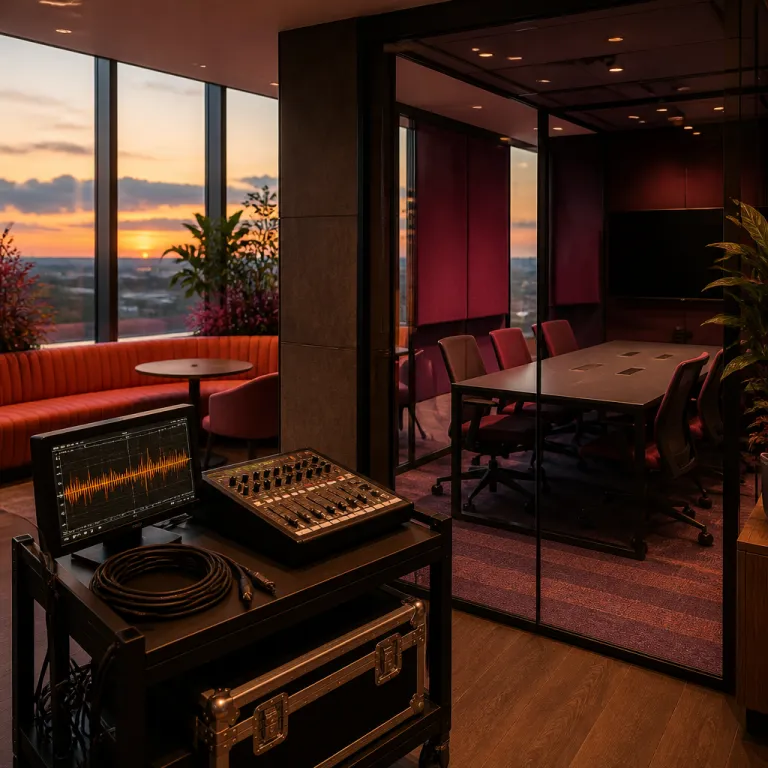
From hotel coworking space concept to media-ready hub
Hotel operators now look at the hotel coworking space idea as a strategic media asset and a flexible office space solution. For exploitants hôteliers and asset managers, integrating a coworking space into a lobby or mezzanine transforms underused square metres into a revenue-generating work environment that also amplifies brand visibility and business travel appeal. This shift matters for media production teams, corporate guests, and local freelancers who need reliable access to flexible workspace during the day.
In practice, a hotel-based coworking community blends hospitality codes with workplace standards, creating a hybrid space where guests can work, meet, and record content without leaving the property. The example of COHAB in Edina, Minnesota, illustrates how a boutique coworking space with 21 seating spaces, one private office, and three outdoor seating areas can inspire hotels to curate intimate lounges rather than anonymous open floors. When hotels adapt this model, they can offer a mix of private offices, shared desks, and media-friendly meeting rooms that serve both transient guests and local members.
For innovation leaders and corporate real estate directors, the coworking space approach inside hotels also solves a portfolio challenge. Instead of signing long leases for traditional office space, companies can secure a business address at a hotel coworking space, then scale up or down with flex membership options and day pass products for their team. This flexibility supports HR strategies around hybrid work, while the hotel benefits from higher ancillary revenue from coffee, food, and conference room bookings. A 2023 CBRE survey on flexible workspaces reported that corporate users now expect at least 20% of their office footprint to be flexible, which reinforces the case for hotel-based coworking spaces that can absorb fluctuating demand.
Designing media ready coworking spaces inside hotels
Design is where a coworking space inside a hotel either thrives or fails. A successful coworking space for media and corporate users must balance acoustic privacy, visual appeal, and intuitive access, so that guests can move seamlessly from their room to a dedicated desk or lounge area. For hotel owners, this means rethinking circulation, signage, and zoning to separate quiet work from social coffee moments without losing the sense of one coherent community.
COHAB’s model in Edina shows how intentional design, modern furnishings, and flexible seating arrangements can support both focused work and informal meeting. Its high speed internet, conference rooms, and outdoor seating areas demonstrate that even a compact space can host podcast recording, video calls, and small media shoots when the work environment is carefully planned. Hotel groups studying members clubs such as Soho House in Tokyo can learn from this type of curated coworking community, especially when analysing how an upscale members club workspace reflex influences expectations for comfort and privacy.
For operators of coworking spaces inside hotels, the design brief should always include a mix of meeting rooms, a flexible conference room, and several smaller conference rooms that can be booked by the hour. A variety of seating typologies, from shared desk zones to private offices and semi enclosed booths, allows teams to work, learn, and record content in the same coworking space without friction. When the experience website of the hotel clearly showcases these options, corporate clients can book tour appointments confidently and ensure best use of the available space for their media projects. As one European upscale hotel group reported in its 2022 annual review, meeting and coworking areas with clear zoning achieved up to 15% higher occupancy than undifferentiated lobby work zones.
Case study : COHAB Edina as a blueprint for hotel media coworking
Although COHAB is not located in a hotel, its boutique coworking space in Edina offers a precise blueprint for hotel based media coworking concepts. The site combines only 21 seating spaces with one private office and three outdoor areas, yet it supports a thriving coworking community of local professionals and content creators. For hotel asset managers, this demonstrates that a relatively small footprint can still host a high value work environment when the layout and services are carefully curated.
COHAB’s amenities include high speed internet, well equipped conference rooms, and a comfortable lounge that encourages informal meeting and networking. According to the COHAB official listing, members also benefit from on site parking and access to outdoor seating, which mirrors what upscale hotels aim to achieve when they reposition their lobby as a coworking space. Media focused hotels can adapt this model by adding podcast studios, small video rooms, and enhanced acoustic treatment, as seen in several premium properties analysed in this case study on media coworking concepts in upscale hotels.
For HR leaders and corporate real estate teams, the COHAB example clarifies how flex membership and day pass products can support hybrid work policies. Staff can use a day pass or a pass day option when travelling, while local members benefit from a stable business address and access to meeting rooms for client presentations. When hotels replicate this coworking space logic, they can offer corporate clients a mix of dedicated desk subscriptions, private offices for project teams, and lounge access passes that align with fluctuating workforce needs. Data from a 2022 JLL flex space report indicates that locations offering both day passes and dedicated desk plans see higher renewal rates, suggesting that layered access models resonate with distributed teams.
Operational models : access, passes, and memberships for hotel coworking
Choosing the right operational model is critical when transforming a hotel into a coworking space for media and corporate users. Hotel owners must decide how to structure access, whether through open lounge coworking, controlled day pass products, or full flex membership contracts that include a dedicated desk or private office. The objective is to ensure best utilisation of the space while maintaining security, guest comfort, and a premium work environment.
Many successful hotel coworking spaces adopt a layered approach that combines free lobby access for casual coffee meetings with paid coworking community zones. In these zones, members receive a business address, guaranteed desk availability, and priority booking for meeting rooms and conference rooms, often bundled with high speed wifi and printing. This structure allows hotels to monetise office space without alienating traditional guests, while also giving corporate clients predictable conditions for their travelling team.
Media oriented hotels can go further by offering specialised passes for production teams, including extended hour access to private offices, sound treated meeting rooms, and a central conference room configured as a studio. A clear experience website that explains each pass, from simple day pass to monthly flex membership, reduces friction for corporate travel planners and HR departments. Instead of vague promises that cookies ensure a smooth digital journey, hotels should track concrete UX metrics such as booking completion rate, time to confirm a pass, and share of users who successfully book tour slots online, so that the coworking space becomes a serious alternative to standalone coworking spaces in the same city.
Guest journey and digital experience for hotel coworking users
The guest journey for a coworking space inside a hotel starts long before arrival. Corporate clients, media agencies, and individual members first evaluate the offer through the hotel’s experience website, where clear descriptions of coworking space options, meeting rooms, and private offices are essential. When the site is transparent about wifi quality, high speed connectivity, parking availability, and business address services, decision makers can align the offer with their internal workplace policies.
On the digital side, hotels must ensure best practice in UX and data protection, especially when cookies ensure personalisation and analytics. A streamlined booking flow that allows users to select a day pass, reserve a dedicated desk, or schedule a conference room in a few clicks is now a baseline expectation. For innovation leaders, integrating this with CRM and corporate travel tools helps HR and real estate teams track utilisation, costs, and employee satisfaction across multiple coworking spaces in the portfolio.
On site, the journey should feel as polished as a premium hotel stay, with clear signage from reception to the coworking community zone, the lounge, and the meeting rooms. Staff must be trained to handle both hotel guests and coworking members, from issuing access passes to explaining coffee policies and quiet hours. When this operational choreography works, the hotel becomes a preferred work environment for local professionals and travelling teams, reinforcing the strategic value of the coworking space within the overall business model.
Media production, community programming, and performance metrics
Media coworking in hotels only reaches its full potential when programming and metrics are aligned. A coworking space that targets content creators and corporate communication teams should host regular events, such as podcast workshops, video storytelling sessions, and brand partnership talks in its meeting rooms or main conference room. These activities turn the coworking space into a living media hub, rather than a static office space with desks and wifi.
One of the most common questions from hotel operators is about amenities, and here the dataset offers a clear answer : "What amenities does COHAB offer?" and "High-speed internet, conference rooms, lounge area, outdoor seating." This quote underlines how high speed connectivity, a comfortable lounge, and versatile conference rooms are non negotiable for any coworking community that aims to attract media professionals. When hotels replicate this mix and add quality coffee, reliable parking, and attentive staff, they create conditions for the best experience for both short stay guests and long term members.
To manage performance, hotel asset managers and coworking operators should track occupancy of private offices, utilisation of dedicated desk zones, and conversion rates from book tour enquiries on the experience website. They can also monitor how many pass day or day pass products are sold to external clients versus in house guests, which helps refine pricing and marketing. Insights from markets where hotels compete directly with destination coworking spaces, such as Bangkok, Bali, and Tokyo, are particularly valuable, and this analysis of Asia Pacific workspace quality in nomad hotels shows how workspace standards now influence overall hotel demand.
Key figures for hotel based media coworking
- COHAB in Edina operates with 21 total seating spaces, demonstrating that a relatively small coworking space can sustain a vibrant community when design and programming are strong (COHAB official website).
- The same site includes one private office, showing that even a single enclosed office space can generate premium revenue from teams needing privacy for calls, editing, or negotiations (COHAB official website).
- Three outdoor seating areas at COHAB highlight the importance of varied work environments, as outdoor options support informal meeting, creative thinking, and short breaks between media recording sessions (COHAB official website).
- On site parking availability for members and visitors at COHAB confirms that easy access remains a decisive factor for suburban coworking spaces and hotel based coworking alike, especially for corporate users who travel by car (COHAB official website).
- The rise of suburban coworking spaces and increased demand for flexible work environments underline why hotels in secondary markets can successfully integrate coworking space concepts into their asset strategy (industry trend synthesis).
FAQ : media coworking in hotels
What amenities are essential for a media focused coworking space in a hotel ?
A media oriented coworking space inside a hotel must offer high speed wifi, acoustically treated meeting rooms, and at least one flexible conference room that can double as a studio. Comfortable lounge areas, reliable coffee service, and access to private offices for confidential work are also critical. These elements mirror the COHAB model, where conference rooms, a lounge, and outdoor seating support varied work styles.
How can hotel operators structure pricing for coworking access ?
Hotel operators typically combine free or low cost lobby access with paid products such as day pass options, monthly flex membership, and dedicated desk subscriptions. Corporate clients may also negotiate packages that include a business address, meeting room credits, and discounted private office use for project teams. This layered structure aligns with hybrid work policies and maximises utilisation of the coworking space.
What role does digital experience play in hotel coworking adoption ?
The digital journey is decisive, because most corporate users evaluate a coworking space through the hotel’s experience website before booking. Clear information about wifi quality, parking, meeting rooms, and membership options reduces friction for HR and real estate teams. When cookies ensure a smooth, personalised booking flow and clients can easily book tour appointments, conversion rates improve.
Can small hotels successfully host coworking spaces for media teams ?
Yes, smaller hotels can host effective coworking spaces for media teams by focusing on quality rather than scale. The COHAB example shows that 21 seats, one private office, and a few outdoor areas can support a dynamic coworking community when design and services are well executed. For hotels, even a modest coworking space with one conference room and several meeting rooms can attract local media professionals and travelling teams.
How should HR and corporate real estate teams evaluate hotel coworking offers ?
HR and real estate leaders should assess each hotel coworking space on connectivity, privacy, and flexibility. Key criteria include high speed wifi, availability of private offices and dedicated desk zones, quality of meeting rooms, and transparent pricing for day pass and flex membership products. They should also verify that the business address services, access control, and parking conditions align with internal policies and employee expectations.