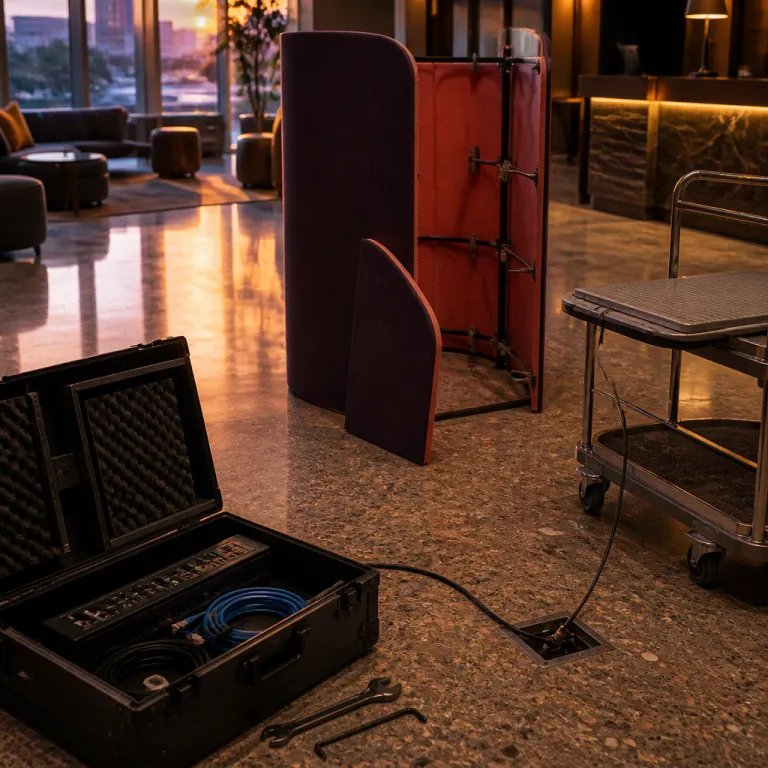
From room inventory to hotel platform business workspace service layer
Hotel operators who still think only in terms of room inventory miss the real shift. The most competitive properties now behave like platforms where each revenue stream, from F&B to flexible offices, plugs into a shared operating system and turns the building into a multi-use service hub. In this platform logic, the hotel’s workspace and coworking layer becomes one more module in a stack that already includes wellness, meetings, transport and media-friendly zones for creative communities.
Look at how a modern cloud based property management system (PMS) rewires the business model. Instead of a monolithic hotel software running only reservations and front desk tasks, the PMS becomes a launch platform that allows users to connect mobile apps, workspace booking tools, business intelligence dashboards and guest experience engines in real time. The dedicated workspace component then sits alongside F&B ordering, spa scheduling and transport integrations, all orchestrated by the same management system and the same guest profile data.
This is where the parallel with Airbnb’s evolution matters. Their move from a room booking app to a broader travel platform that integrates hotels, car rentals, luggage storage and grocery delivery shows how one digital interface can aggregate many service layers while keeping a coherent user experience. Hotels can mirror this by treating every square metre of space — lobby, meeting room, terrace, underused office floor — as a workspace or media coworking node that can be booked, priced and managed through the same platform and the same cloud based data infrastructure.
For independent hotels, the platform mindset is even more strategic. They rarely have the marketing budgets of global brands, but they can use cloud tools such as Google Cloud, Microsoft Azure, Google Workspace and Microsoft Entra to build a secure, modular stack where workspace access, direct booking, transport and events share the same identity layer and the same security policies. In that configuration, the hotel’s workspace product is not a side project for a few digital nomads; it is a core business service that extends the brand into the daily office routines of locals and long stay guests.
Recent hospitality research confirms that this shift is already underway. The 2023 Hybrid Hospitality Report by The Social Hub and Cushman & Wakefield notes that roughly one in three urban hotels in its European sample now integrates coworking or flexible workspace, and those that do report incremental revenue from these spaces without adding new rooms or major structural extensions. As one industry FAQ from Hospitality Business Review puts it very clearly, “Why are hotels adding workspaces? To cater to remote workers and increase revenue.”
Designing the workspace layer as a modular product, not a side lounge
The most effective workspace layer is designed as a product, not as a leftover lounge with extra sockets. When you treat coworking and office capacity as a defined service within the hotel’s platform, you can specify capacity, pricing, booking rules, access control and digital touchpoints with the same rigor you apply to rooms or meeting packages. That clarity is what allows hotel operators, asset managers and coworking partners to align on investment, performance KPIs and time to market for new concepts.
On the technology side, the PMS and the wider property management stack become the backbone of this modular design. A cloud based PMS integrated with a workspace management app can expose inventory in real time, so a user can book a hot desk, a media studio or a private office directly from the hotel website, from a mobile app or from a partner marketplace. When the PMS is open by design, each workspace product appears as a bookable item alongside rooms, meeting spaces and F&B experiences, with the same data model and the same business intelligence layer.
Platform economics reward this integration. Each additional service layer — workspace, wellness, events — reduces acquisition cost because the same guest or local user generates more revenue per visit and more data for future targeting. A hotel that connects its PMS with transport services, as seen in the documented Mews and Uber integration where ride booking happens inside the PMS, shows how a launch platform can capture spend that previously leaked to external apps; workspace access can follow the same pattern, with hourly passes or monthly memberships sold through the hotel’s own digital channels.
For hotel groups evaluating whether to join an external coworking network or build their own platform, the choice is strategic. Partnering with a large coworking operator can accelerate demand and provide proven best practices, as illustrated by Accor’s collaboration with Wojo and by hybrid hospitality case studies in Hospitality Upgrade. Building an in house workspace platform, by contrast, gives more control over user experience, data ownership and integration with the existing management system and hotel software stack.
Whatever the route, the design brief must be precise. Workspace zones need acoustic control, ergonomic furniture and reliable power, but they also need digital infrastructure that respects enterprise security standards, from Wi Fi segmentation to identity management through tools such as Microsoft Entra. When these elements are specified from the start, the workspace layer becomes a credible office alternative for corporate users, not just a casual laptop corner for leisure guests.
Media coworking, locals and the everyday guest experience loop
Media coworking in hotels adds a new dimension to the hotel’s workspace platform. Instead of generic desks, the property curates spaces for content creators, designers and hybrid teams who need podcast booths, small studios or flexible meeting rooms with strong acoustic treatment and reliable upload speeds. These users often live nearby, which means the hotel becomes part of their weekly office rhythm rather than a once a year stay.
This local engagement changes the economics of guest experience. A workspace user who comes three times a week for a four hour session will buy coffee, lunch and perhaps a drink, and might later book rooms for visiting colleagues or events, all through the same digital platform. Over time, the integrated workspace and coworking layer creates a loop where workspace, F&B, rooms and events feed each other, supported by shared data and a unified user profile that respects privacy while enabling relevant offers.
For HR leaders and corporate real estate teams, this model offers a flexible extension of the office portfolio. Instead of signing long leases for satellite offices, they can negotiate workspace packages with independent hotels and branded hotels that already operate a secure, cloud based management system and can guarantee service level agreements for connectivity, security and support. The hotel then becomes a distributed office node in the company’s network, with booking, access and billing handled through the same digital tools employees already use.
Media coworking also reshapes brand perception. When a hotel hosts regular creative sessions, podcasts or small productions in its workspace, it signals that the property is a living platform for work and culture, not just a place to sleep. This dynamic is explored in detail in hybrid hospitality features from Hospitality Business Review and in media coworking analyses that track how creators choose hotels based on desk quality, Wi Fi uptime and coffee standards rather than on buzzwords.
Operationally, this requires new routines at the front desk and in the back office. Staff must handle workspace check ins, day passes and membership queries with the same fluency as room reservations, using the PMS and associated apps to manage access, billing and support. When the workspace layer is fully integrated into the hotel platform, a receptionist can see in real time who is a room guest, who is a workspace member and who is a day visitor, and can tailor the interaction accordingly without juggling multiple disconnected systems.
Building the workspitality technology stack: from PMS to cloud identity
Turning a hotel into a true platform with a robust workspace service layer starts with the technology stack. The PMS remains the core property management engine, but it must operate as an open platform that exposes APIs for booking, billing, inventory and user profiles, so that workspace tools, mobile apps and third party services can plug in cleanly. In this architecture, the coworking and office component is just another client of the same data and identity services that power rooms, F&B and events.
Cloud infrastructure is the enabler. Running the PMS, booking engine and workspace management system on providers such as Google Cloud or Microsoft Azure allows hotels to scale capacity, apply consistent security policies and process data for business intelligence without maintaining heavy on premise servers. When combined with productivity suites such as Google Workspace and identity platforms such as Microsoft Entra, the hotel can offer enterprise grade security and single sign on experiences to corporate clients who expect the same standards they have in their own offices.
User experience is where this stack becomes visible to guests and workspace members. A well designed app or web interface allows users to book rooms, desks, meeting spaces and services in a few taps, with clear pricing, availability in real time and transparent policies, while the back end synchronises with the PMS, the payment gateway and the access control system. For independent hotels, adopting such a cloud based, app driven approach levels the playing field with larger brands and supports direct booking strategies that reduce reliance on intermediaries.
Designing hotel coworking for agile teams and quick office needs requires more than furniture and Wi Fi; it demands a coherent technology and operations blueprint, as outlined in recent guides on hotel coworking for agile office capacity in Hospitality Upgrade and Hotel Coworking industry reports. The most successful implementations treat the workspace platform as a first class citizen in the stack, with clear SLAs, dedicated support and continuous improvement based on user feedback and performance data. Over time, this approach turns the hotel into a resilient, multi sided platform where workspace is not an add on but a core expression of workspitality.
Key figures on hotel workspaces and hybrid hospitality
- Hotels offering coworking or structured workspace services represent roughly one third of the market segment tracked in the 2023 Hybrid Hospitality Report by The Social Hub and Cushman & Wakefield, indicating that more than one in three properties in the sample has already moved toward a workspace enabled hotel platform.
- Properties that have integrated workspaces into their service mix report double digit percentage increases in revenue attributed to these spaces, with Hospitality Upgrade and Hospitality Business Review case studies citing typical uplifts in total revenue per available room (TRevPAR) of 10–20 percent when coworking and meeting passes are fully integrated into the hotel platform.
- Industry timelines indicate that early workspace integrations started in the early 2020s, expanded significantly in the mid 2020s and are moving toward standardisation in the late 2020s, with hybrid hospitality surveys from 2021–2024 suggesting that the hotel workspace platform is on track to become a mainstream expectation rather than a niche experiment.
Case study: Accor’s Wojo partnership
Accor’s collaboration with coworking brand Wojo illustrates how a hotel can operationalise this model. By 2022, the partnership covered more than 300 hotels in France and other European markets, converting underused areas into branded work zones and connecting them to a shared digital booking layer so guests and locals could reserve desks and meeting rooms by the hour or by the day. The same PMS environment supports access control, billing and reporting, so hotel teams can track workspace performance alongside room and F&B metrics. For local users, the experience feels like a professional office with reliable Wi Fi, clear pricing and consistent service standards; for the hotel, it becomes a repeat-use product that drives incremental revenue and keeps the property active throughout the day, not just at check in and check out times.
References
- Hospitality Business Review, hybrid hospitality and coworking features (2022–2024)
- Hospitality Upgrade, flexible workspace revenue analyses and hotel coworking case studies (2021–2023)
- Hotel Coworking industry analyses and operator interviews on hybrid hospitality and workspitality models (2020–2024)